• HOME
  • NEWS
  • EXPLORE
    • CAREER
      • Companies
      • Jobs
    • EVENTS
    • iGEM
      • News
      • Team
    • PHOTOS
    • VIDEO
    • WIKI
  • BLOG
  • COMMUNITY
    • FACEBOOK
    • INSTAGRAM
    • TWITTER
Wednesday, May 27, 2026
BIOENGINEER.ORG
No Result
View All Result
  • Login
  • HOME
  • NEWS
  • EXPLORE
    • CAREER
      • Companies
      • Jobs
        • Lecturer
        • PhD Studentship
        • Postdoc
        • Research Assistant
    • EVENTS
    • iGEM
      • News
      • Team
    • PHOTOS
    • VIDEO
    • WIKI
  • BLOG
  • COMMUNITY
    • FACEBOOK
    • INSTAGRAM
    • TWITTER
  • HOME
  • NEWS
  • EXPLORE
    • CAREER
      • Companies
      • Jobs
        • Lecturer
        • PhD Studentship
        • Postdoc
        • Research Assistant
    • EVENTS
    • iGEM
      • News
      • Team
    • PHOTOS
    • VIDEO
    • WIKI
  • BLOG
  • COMMUNITY
    • FACEBOOK
    • INSTAGRAM
    • TWITTER
No Result
View All Result
Bioengineer.org
No Result
View All Result
Home NEWS Science News Biology

Membrane vesicles released by bacteria may play different roles during infection

Bioengineer by Bioengineer
September 18, 2017
in Biology
Reading Time: 2 mins read
0
Share on FacebookShare on TwitterShare on LinkedinShare on RedditShare on Telegram
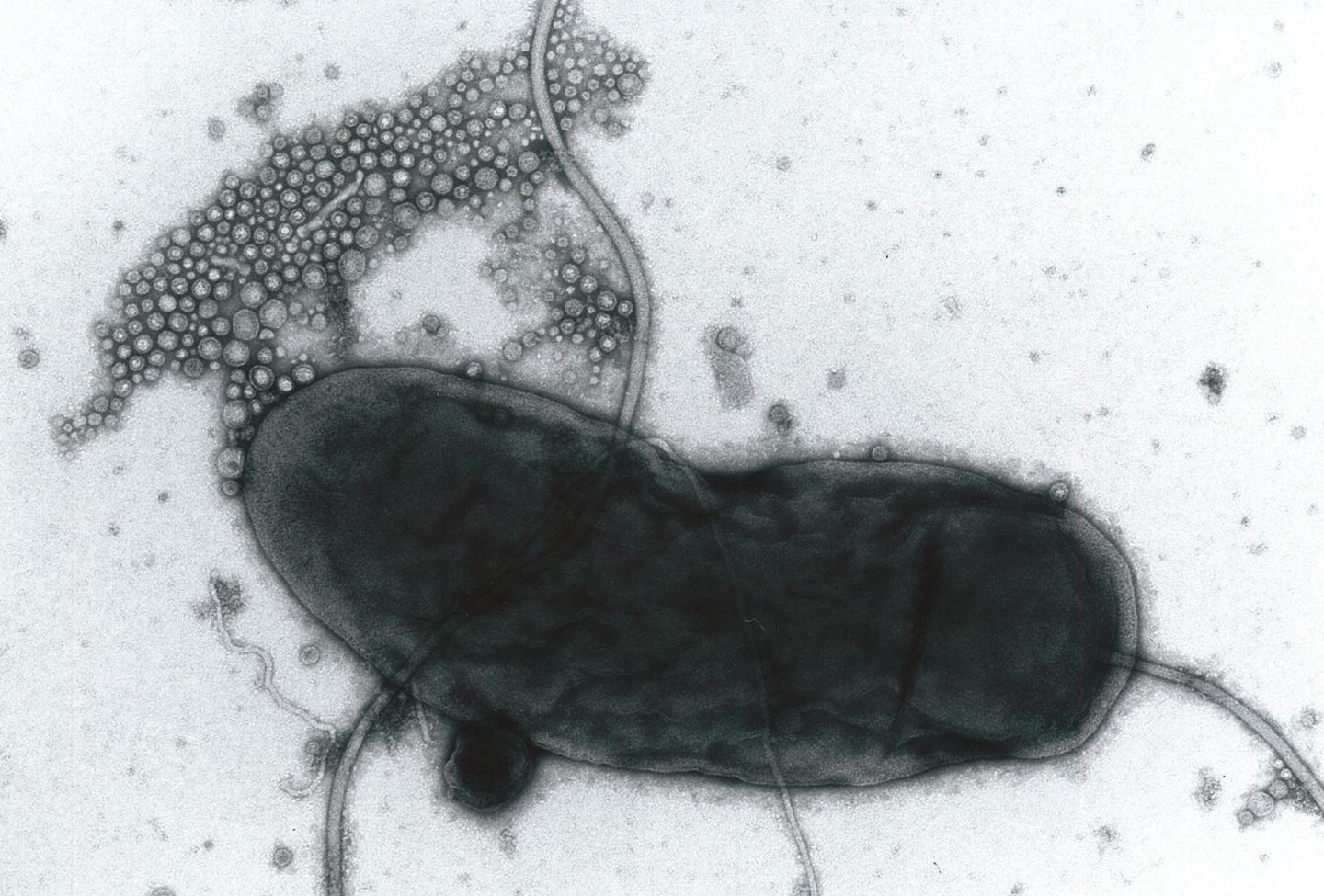
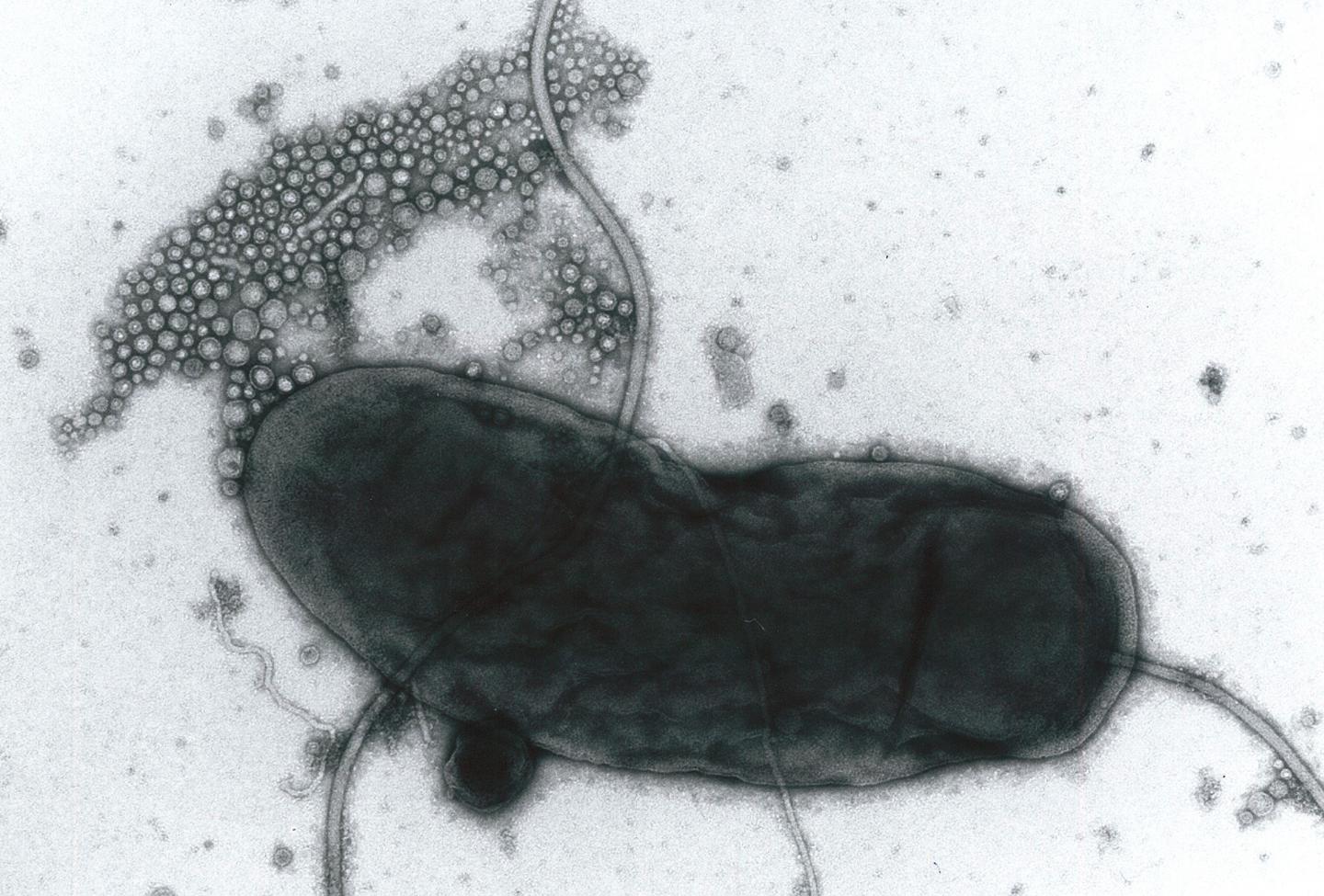
IMAGE

Credit: Akemi Takade, Kyushu University, Japan

Bacteria release membrane-derived vesicles (MVs), which are small particles that can transport virulence factors to neighbouring bacteria or to the cells of a mammalian host. This special MV-based system for delivering toxic proteins and nucleic acids in a protected manner to the target cells may have different specific functions depending on whether the bacterium acts as an extracellular or intracellular pathogen. This is according to a doctoral thesis from Umeå University in Sweden.

Together with her research colleagues and in collaborations, doctoral student Svitlana Vdovikova showed that MVs can have varying functions by using two different pathogenic bacteria as examples: Vibrio cholerae and Listeria monocytogenes. Vibrio cholerae causes cholera, a disease taking thousands of lives each year in developing countries. Listeria monocytogenes causes listeriosis, which leads to a deadly infection in one third of the cases and is especially dangerous for pregnant women and their fetuses, newborn children, and immunocompromised people.

The researchers found that MVs from both Vibrio cholerae and Listeria monocytogenes transport so-called pore-forming toxins (PFTs). These proteins usually cause a range of toxic effects on the targeted human cells due to the formation of pores in cell membranes.

"Pore-forming toxin delivered by Vibrio cholerae MVs activate autophagy, which serves as a cellular defence mechanism. In contrast, we found that the pore-forming toxin transported by membrane vesicles of Listeria monocytogenes does not trigger autophagy. Moreover, MVs from the Listeria bacterium can protect against the pore formation and autophagy. These findings suggest that MV production might be a relevant strategy of Listeria to manipulate host responses and to promote bacterial survival inside the host cells," says Svitlana Vdovikova, doctoral student at the Department of Molecular Biology.

MVs serve as promising candidates for vaccine development and are used as tools in nanotechnology and for directed drug delivery. For example, a MV-based vaccine against meningitis is already being used in Europe, Australia and the United States. Additionally, bacterial MVs are currently being studied as drug-delivery vehicles for treating various cancer forms.

"These results not only help us to understand more about the mechanisms of different bacterial infections. They also bring new opportunities in medicine and biotechnology, for example, by allowing to therapeutically modulate cell autophagy, a process which plays a central role in cancer, diabetes, cardiovascular and many other diseases," says Svitlana Vdovikova.

###

Svitlana Vdovikova is originally from Ukraine, where she got a degree in Clinical Pharmacy and worked with education of pharmacists. Svitlana moved to Sweden in 2009 to do her Master studies in Molecular Biology.

For more information, please contact:

Svitlana Vdovikova, Department of Molecular Biology, Umeå University
Phone: +46 90 785 6739
Email: [email protected]

Media Contact

Daniel Harju
[email protected]
46-725-522-918
@UmeaUniversity

http://www.umu.se/umu/index_eng.html

Original Source

http://urn.kb.se/resolve?urn=urn:nbn:se:umu:diva-138714

Share12Tweet8Share2ShareShareShare2

Related Posts

Canadian Rockies Research Reveals Spruce Trees Adapt Consistently Across Rugged Peaks and Boreal Flatlands — Biology

Canadian Rockies Research Reveals Spruce Trees Adapt Consistently Across Rugged Peaks and Boreal Flatlands

May 26, 2026
Electroacupuncture and Spinal Neural Cell Transplantation Synergize to Enhance Nerve Regeneration and Functional Recovery After Spinal Cord Injury — Biology

Electroacupuncture and Spinal Neural Cell Transplantation Synergize to Enhance Nerve Regeneration and Functional Recovery After Spinal Cord Injury

May 26, 2026

Gut Microbiome Clusters Offer New Insights into Predicting Inflammatory Bowel Disease Severity and Progression

May 26, 2026

App Uses Insect Wing Identification to Combat Tropical Disease Threat

May 26, 2026
Please login to join discussion

POPULAR NEWS

  • ESMO 2025: mRNA COVID Vaccines Enhance Efficacy of Cancer Immunotherapy

    317 shares
    Share 127 Tweet 79
  • New Study Reveals Plants Can Detect the Sound of Rain

    735 shares
    Share 293 Tweet 183
  • Common Food Preservatives Associated with Elevated Blood Pressure and Increased Heart Disease Risk

    56 shares
    Share 22 Tweet 14
  • AI-Powered Atlas Uncovers Extensive Whole-Body Damage Linked to Obesity

    53 shares
    Share 21 Tweet 13

About

We bring you the latest biotechnology news from best research centers and universities around the world. Check our website.

Follow us

Recent News

Brazilian Medical Students Boost Public Confidence in Vaccination

Synthetic Microbial Communities Boost Hydroponic Tomato Growth

Advanced Access Scheduling Cuts Primary Care Wait Times, Boosts Patient-Physician Continuity

Subscribe to Blog via Email

Enter your email address to subscribe to this blog and receive notifications of new posts by email.

Join 82 other subscribers
  • Contact Us

Bioengineer.org © Copyright 2023 All Rights Reserved.

Welcome Back!

Login to your account below

Forgotten Password?

Retrieve your password

Please enter your username or email address to reset your password.

Log In
No Result
View All Result
  • Homepages
    • Home Page 1
    • Home Page 2
  • News
  • National
  • Business
  • Health
  • Lifestyle
  • Science

Bioengineer.org © Copyright 2023 All Rights Reserved.