• HOME
  • NEWS
  • EXPLORE
    • CAREER
      • Companies
      • Jobs
    • EVENTS
    • iGEM
      • News
      • Team
    • PHOTOS
    • VIDEO
    • WIKI
  • BLOG
  • COMMUNITY
    • FACEBOOK
    • INSTAGRAM
    • TWITTER
Friday, March 27, 2026
BIOENGINEER.ORG
No Result
View All Result
  • Login
  • HOME
  • NEWS
  • EXPLORE
    • CAREER
      • Companies
      • Jobs
        • Lecturer
        • PhD Studentship
        • Postdoc
        • Research Assistant
    • EVENTS
    • iGEM
      • News
      • Team
    • PHOTOS
    • VIDEO
    • WIKI
  • BLOG
  • COMMUNITY
    • FACEBOOK
    • INSTAGRAM
    • TWITTER
  • HOME
  • NEWS
  • EXPLORE
    • CAREER
      • Companies
      • Jobs
        • Lecturer
        • PhD Studentship
        • Postdoc
        • Research Assistant
    • EVENTS
    • iGEM
      • News
      • Team
    • PHOTOS
    • VIDEO
    • WIKI
  • BLOG
  • COMMUNITY
    • FACEBOOK
    • INSTAGRAM
    • TWITTER
No Result
View All Result
Bioengineer.org
No Result
View All Result
Home Headlines

Melbourne scientists publish evidence for world-first therapeutic…

Bioengineer.org by Bioengineer.org
January 30, 2018
in Headlines, Health, Science News
Reading Time: 2 mins read
0
Share on FacebookShare on TwitterShare on LinkedinShare on RedditShare on Telegram
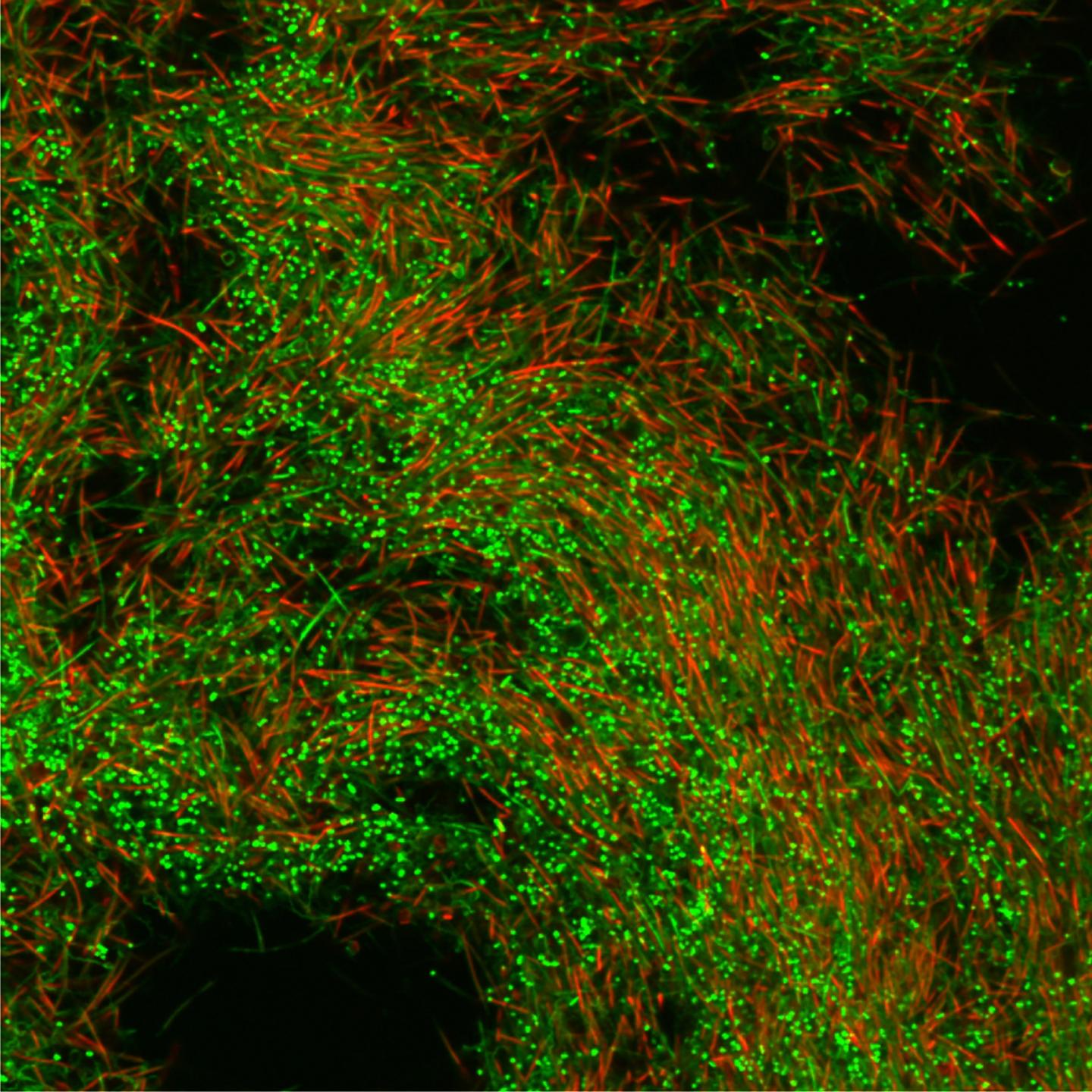
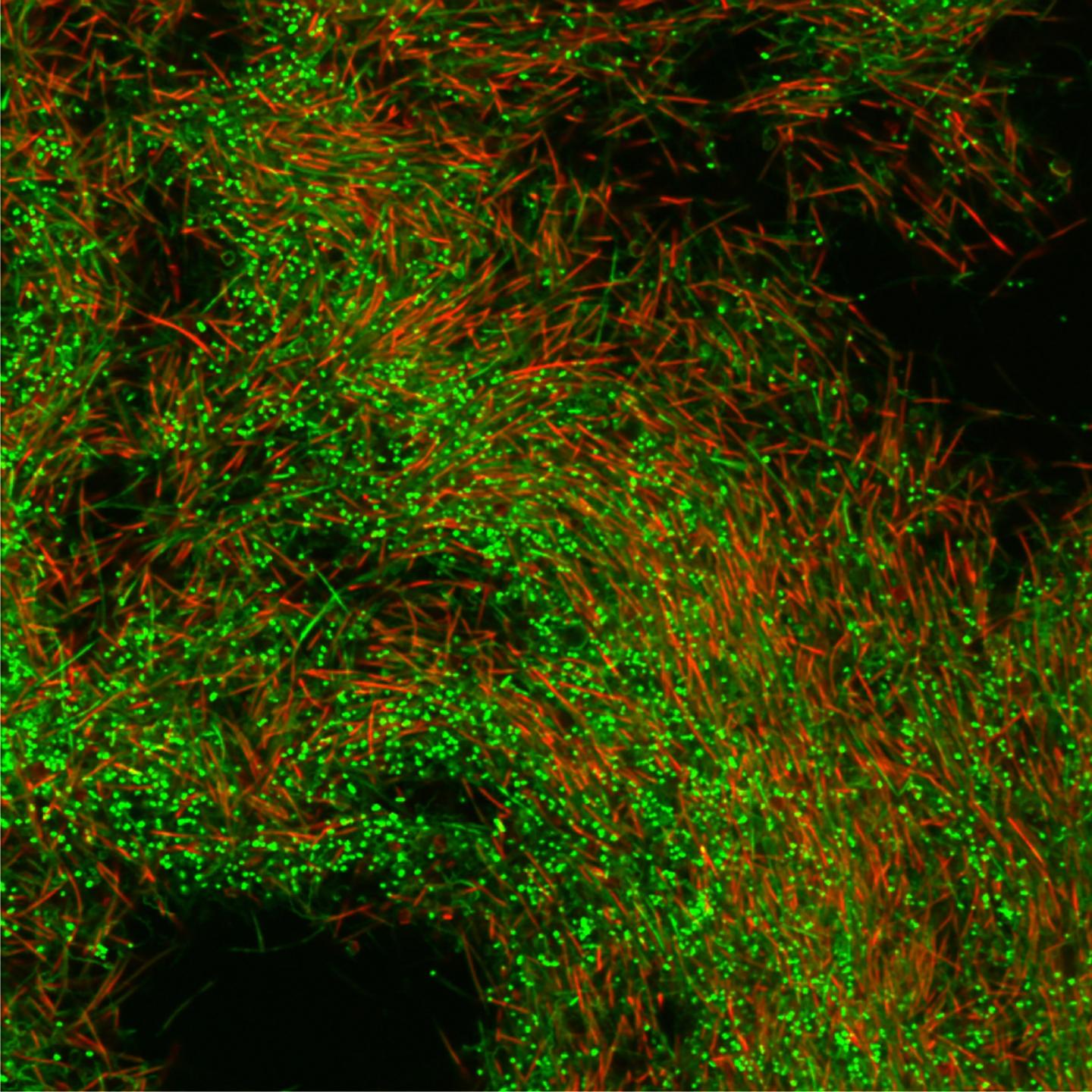
IMAGE

Credit: Oral Health CRC University of Melbourne

A world-first vaccine developed by Melbourne scientists, which could eliminate or at least reduce the need for surgery and antibiotics for severe gum disease, has been validated by research published this weekend in a leading international journal.

A team of dental scientists at the Oral Health CRC at the University of Melbourne has been working on a vaccine for chronic periodontitis for the past 15 years with industry partner CSL. Clinical trials on periodontitis patients could potentially begin in 2018.

Moderate to severe periodontitis affects one in three adults and more than 50 per cent of Australians over the age of 65. It is associated with diabetes, heart disease, rheumatoid arthritis, dementia and certain cancers. It is a chronic disease that destroys gum tissue and bone supporting teeth, leading to tooth loss.

The findings published in the journal NPJ Vaccines (part of the Nature series) represent analysis of the vaccine's effectiveness by collaborating groups based in Melbourne and at Cambridge, USA.

The vaccine targets enzymes produced by the bacterium Porphyromonas gingivalis, to trigger an immune response. This response produces antibodies that neutralise the pathogen's destructive toxins.

P. gingivalis is known as a keystone pathogen, which means it has the potential to distort the balance of microorganisms in dental plaque, causing disease.

CEO of the Oral Health CRC, Melbourne Laureate Professor Eric Reynolds AO, said it was hoped the vaccine would substantially reduce tissue destruction in patients harbouring P. gingivalis.

"We currently treat periodontitis with professional cleaning sometimes involving surgery and antibiotic regimes," Professor Reynolds said.

"These methods are helpful, but in many cases the bacterium re-establishes in the dental plaque causing a microbiological imbalance so the disease continues."

"Periodontitis is widespread and destructive. We hold high hopes for this vaccine to improve quality of life for millions of people."

###

Media Contact

Elisabeth Lopez
[email protected]
61-383-442-704
@unimelb

http://www.unimelb.edu.au

Share12Tweet8Share2ShareShareShare2

Related Posts

Starburst Winds Drain Supernova Energy Quickly

Starburst Winds Drain Supernova Energy Quickly

March 26, 2026
Decoding the Phosphorus Puzzle: How Microplastics and Hydrochar Transform Nutrient Dynamics in Rice Paddies

Decoding the Phosphorus Puzzle: How Microplastics and Hydrochar Transform Nutrient Dynamics in Rice Paddies

March 26, 2026

Microtubules Found to Actively Ensure Accurate Chromosome Distribution During Cell Division

March 25, 2026

Aversive Learning Hijacks Brain Sugar Sensor

March 25, 2026
Please login to join discussion

POPULAR NEWS

  • blank

    Revolutionary AI Model Enhances Precision in Detecting Food Contamination

    96 shares
    Share 38 Tweet 24
  • Imagine a Social Media Feed That Challenges Your Views Instead of Reinforcing Them

    1003 shares
    Share 397 Tweet 248
  • Uncovering Functions of Cavernous Malformation Proteins in Organoids

    54 shares
    Share 22 Tweet 14
  • Promising Outcomes from First Clinical Trials of Gene Regulation in Epilepsy

    51 shares
    Share 20 Tweet 13

About

We bring you the latest biotechnology news from best research centers and universities around the world. Check our website.

Follow us

Recent News

In-Sensor Cryptography Links Physical Process to Digital Identity

Can Psychosocial Factors Influence Cancer Risk?

Depression Factors in Elderly: Pre vs. Post-COVID Analysis

Subscribe to Blog via Email

Success! An email was just sent to confirm your subscription. Please find the email now and click 'Confirm' to start subscribing.

Join 78 other subscribers
  • Contact Us

Bioengineer.org © Copyright 2023 All Rights Reserved.

Welcome Back!

Login to your account below

Forgotten Password?

Retrieve your password

Please enter your username or email address to reset your password.

Log In
No Result
View All Result
  • Homepages
    • Home Page 1
    • Home Page 2
  • News
  • National
  • Business
  • Health
  • Lifestyle
  • Science

Bioengineer.org © Copyright 2023 All Rights Reserved.