• HOME
  • NEWS
  • EXPLORE
    • CAREER
      • Companies
      • Jobs
    • EVENTS
    • iGEM
      • News
      • Team
    • PHOTOS
    • VIDEO
    • WIKI
  • BLOG
  • COMMUNITY
    • FACEBOOK
    • INSTAGRAM
    • TWITTER
Saturday, May 16, 2026
BIOENGINEER.ORG
No Result
View All Result
  • Login
  • HOME
  • NEWS
  • EXPLORE
    • CAREER
      • Companies
      • Jobs
        • Lecturer
        • PhD Studentship
        • Postdoc
        • Research Assistant
    • EVENTS
    • iGEM
      • News
      • Team
    • PHOTOS
    • VIDEO
    • WIKI
  • BLOG
  • COMMUNITY
    • FACEBOOK
    • INSTAGRAM
    • TWITTER
  • HOME
  • NEWS
  • EXPLORE
    • CAREER
      • Companies
      • Jobs
        • Lecturer
        • PhD Studentship
        • Postdoc
        • Research Assistant
    • EVENTS
    • iGEM
      • News
      • Team
    • PHOTOS
    • VIDEO
    • WIKI
  • BLOG
  • COMMUNITY
    • FACEBOOK
    • INSTAGRAM
    • TWITTER
No Result
View All Result
Bioengineer.org
No Result
View All Result
Home NEWS Science News Biology

Mechanism regulating species coexistence in a subtropical forest revealed

Bioengineer by Bioengineer
October 9, 2019
in Biology
Reading Time: 2 mins read
0
IMAGE
Share on FacebookShare on TwitterShare on LinkedinShare on RedditShare on Telegram

IMAGE

Credit: CHEN Lei


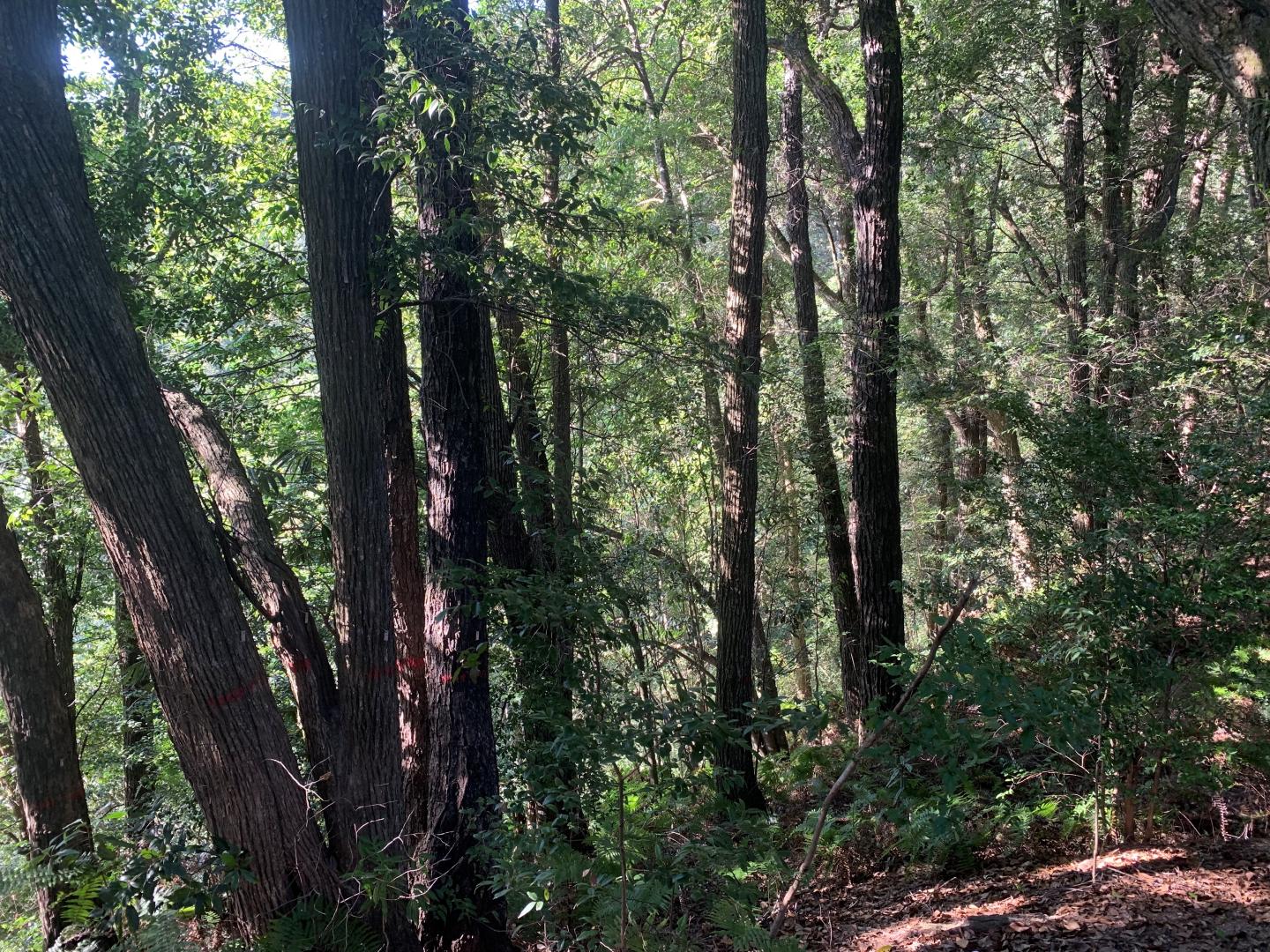
For over a century, ecologists have questioned how the extraordinarily high number of tree species can coexist in tropical forests. In the early 1970s, Daniel Janzen and Joseph Connell independently came up with the pathogen-driven Janzen-Connell hypothesis to explain the astonishing plant diversity we observe. They proposed that specialist natural enemies could accumulate near dense patches of their hosts and attack seeds and seedlings of the same species, ultimately lending an advantage to locally rare species – a phenomenon known as conspecific negative density dependence.

A large number of studies have provided compelling evidence for the diversity-promoting effects of pathogens in a wide range of tropical forests. However, the collective importance of specialist natural enemies in determining the diversity observed in subtropical communities had remained unclear until recently.

Subtropical evergreen broad-leaved forests of China are among the most species-rich areas in the world, containing more than 10,000 vascular plant species. One of the striking differences between subtropical and tropical forests is that tropical forests are usually dominated by arbuscular mycorrhizal (AM) species, whereas subtropical forests are usually dominated by AM trees when considering species number, but by ectomycorrhizal (EcM) trees when considering basal area.

A research group led by Prof. MA Keping from the Institute of Botany of the Chinese Academy of Sciences, in collaboration with scientists from the University of Maryland, College Park and the Institute of Microbiology, have now revealed the underlying mechanism regulating species coexistence in a subtropical forest.

The research, entitled “Differential soil fungus accumulation and density dependence of trees in a subtropical forest,” was published in Science on October 4.

In the study, the researchers point out that species’ mycorrhizal types mediate tree-neighborhood interactions at the community level, and much of the interspecific variation in local tree interactions is explained by how tree species differ in their fungal density accumulation rates as they grow.

Species with higher accumulation rates of pathogenic fungi suffered more from conspecific neighbors, whereas species with lower conspecific inhibition had higher accumulation rates of EcM fungi, suggesting that mutualistic and pathogenic fungi play important, but opposing, roles on species coexistence.

“The findings provide an extra dimension to the Janzen-Connell hypothesis by showing that pathogen accumulation rates may play a key role in driving the strength of tree interactions, but EcM fungi may overrule them. Models of tree diversity should incorporate the role of both plant pathogens and mutualists,” says CHEN Lei, an assistant professor of ecology and first author of the new study.

These results provide important clues to clarifying the mechanism underlying the latitudinal gradients in tree interaction and global biodiversity patterns in natural forests.

###

This is another important achievement in understanding the diversity and functions of subtropical forests since publication of a study concerning the impact of tree diversity on forest productivity (Huang et al., Science, 2018) by Prof. MA Keping and his colleagues.

Media Contact
MA Keping
[email protected]

Related Journal Article

http://dx.doi.org/10.1126/science.aau1361

Tags: BiologyForestryPlant Sciences
Share15Tweet10Share3ShareShareShare2

Related Posts

Single mother must adapt swiftly — the survival of her colony depends on it — Biology

Single mother must adapt swiftly — the survival of her colony depends on it

May 15, 2026
Why Are Nearly Everyone Right-Handed? It Might Be Linked to How We Learned to Walk — Biology

Why Are Nearly Everyone Right-Handed? It Might Be Linked to How We Learned to Walk

May 15, 2026

Excessive Neuronal Activity Initiates Severe Autoimmune Brain Disorder

May 15, 2026

Precision Anti-Aging Strategies Focus on Eliminating Harmful Senescent Cells While Preserving Beneficial Ones

May 15, 2026
Please login to join discussion

POPULAR NEWS

  • Research Indicates Potential Connection Between Prenatal Medication Exposure and Elevated Autism Risk

    843 shares
    Share 337 Tweet 211
  • New Study Reveals Plants Can Detect the Sound of Rain

    730 shares
    Share 291 Tweet 182
  • Salmonella Haem Blocks Macrophages, Boosts Infection

    62 shares
    Share 25 Tweet 16
  • Breastmilk Balances E. coli and Beneficial Bacteria in Infant Gut Microbiomes

    58 shares
    Share 23 Tweet 15

About

We bring you the latest biotechnology news from best research centers and universities around the world. Check our website.

Follow us

Recent News

Carboplatin ± Nivolumab in Metastatic TNBC Trial

New Numeracy Screener Developed for Preschoolers

Genetic Dosage Influences Parkinson’s Cognitive Decline

Subscribe to Blog via Email

Enter your email address to subscribe to this blog and receive notifications of new posts by email.

Join 82 other subscribers
  • Contact Us

Bioengineer.org © Copyright 2023 All Rights Reserved.

Welcome Back!

Login to your account below

Forgotten Password?

Retrieve your password

Please enter your username or email address to reset your password.

Log In
No Result
View All Result
  • Homepages
    • Home Page 1
    • Home Page 2
  • News
  • National
  • Business
  • Health
  • Lifestyle
  • Science

Bioengineer.org © Copyright 2023 All Rights Reserved.