• HOME
  • NEWS
  • EXPLORE
    • CAREER
      • Companies
      • Jobs
    • EVENTS
    • iGEM
      • News
      • Team
    • PHOTOS
    • VIDEO
    • WIKI
  • BLOG
  • COMMUNITY
    • FACEBOOK
    • INSTAGRAM
    • TWITTER
Sunday, May 17, 2026
BIOENGINEER.ORG
No Result
View All Result
  • Login
  • HOME
  • NEWS
  • EXPLORE
    • CAREER
      • Companies
      • Jobs
        • Lecturer
        • PhD Studentship
        • Postdoc
        • Research Assistant
    • EVENTS
    • iGEM
      • News
      • Team
    • PHOTOS
    • VIDEO
    • WIKI
  • BLOG
  • COMMUNITY
    • FACEBOOK
    • INSTAGRAM
    • TWITTER
  • HOME
  • NEWS
  • EXPLORE
    • CAREER
      • Companies
      • Jobs
        • Lecturer
        • PhD Studentship
        • Postdoc
        • Research Assistant
    • EVENTS
    • iGEM
      • News
      • Team
    • PHOTOS
    • VIDEO
    • WIKI
  • BLOG
  • COMMUNITY
    • FACEBOOK
    • INSTAGRAM
    • TWITTER
No Result
View All Result
Bioengineer.org
No Result
View All Result
Home NEWS Science News Biology

Measuring impact of Kenya’s ivory burning ‘urgent’ say UQ scientists

Bioengineer by Bioengineer
February 9, 2018
in Biology
Reading Time: 2 mins read
0
Share on FacebookShare on TwitterShare on LinkedinShare on RedditShare on Telegram
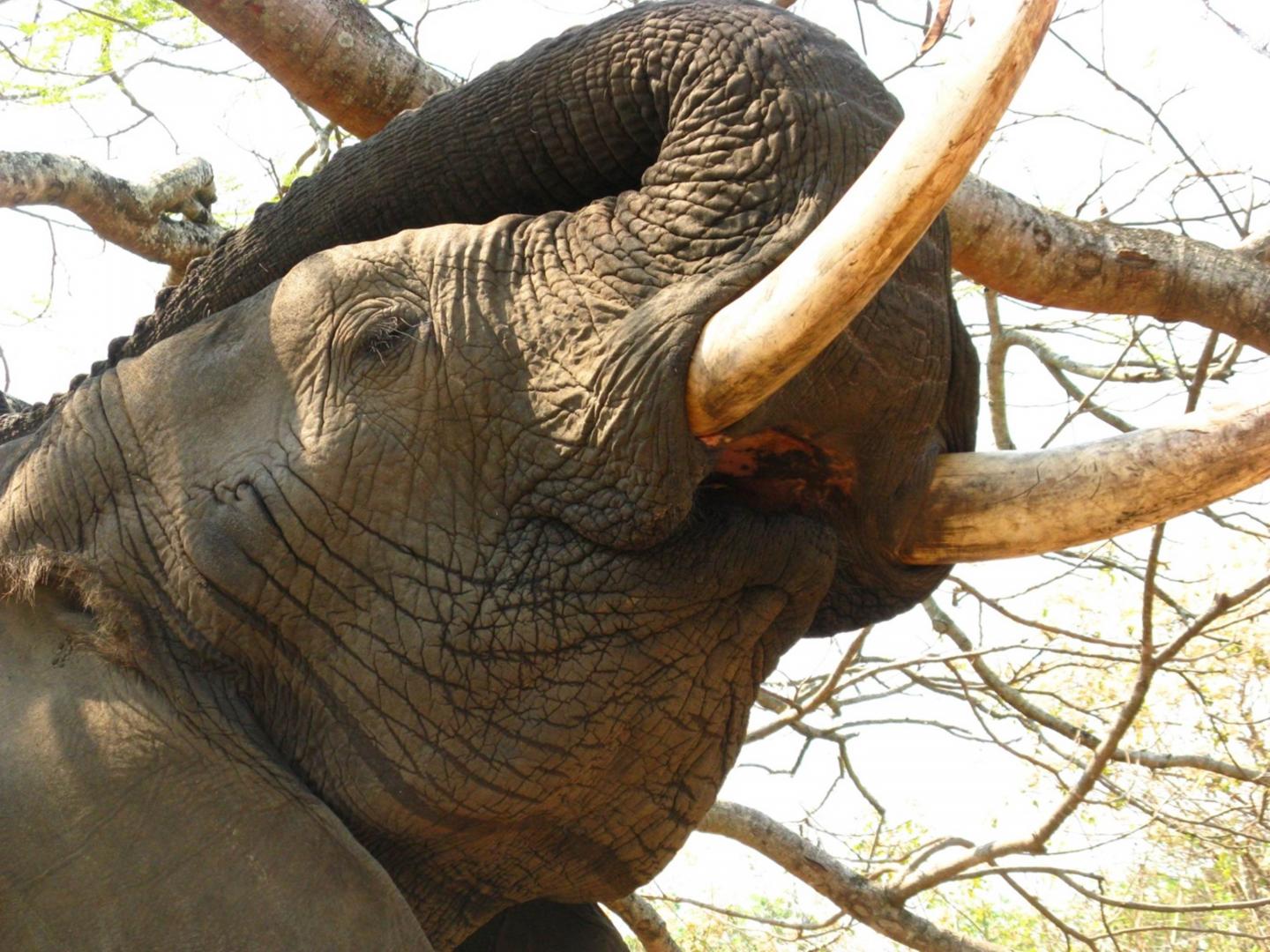
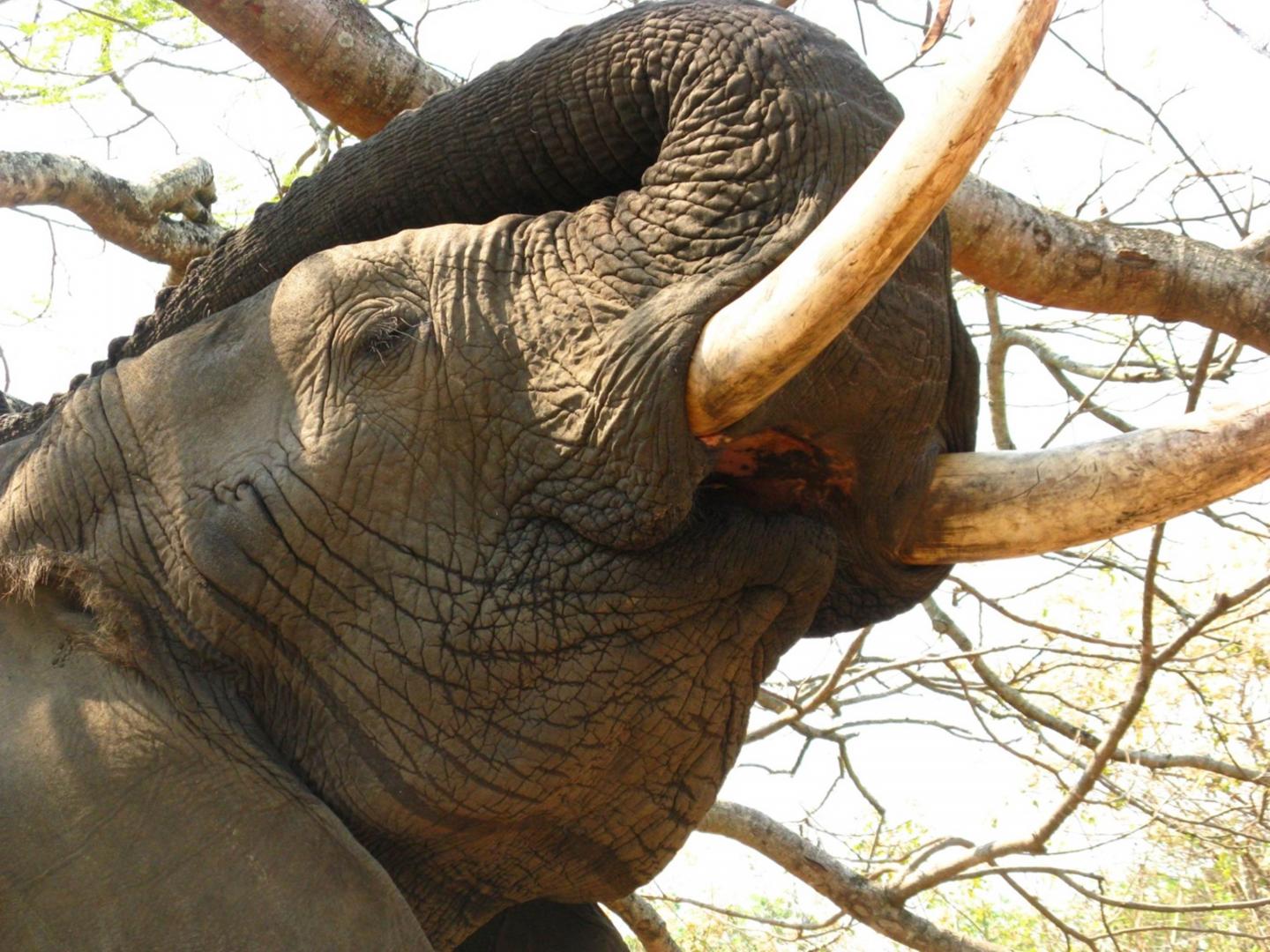
IMAGE

Credit: Dr. Duan Biggs

Gathering evidence on the impact of Kenya's record-breaking ivory burn on elephant conservation should be an urgent priority according to four University of Queensland scientists.

Dr Duan Biggs from the ARC Centre of Excellence for Environmental Decisions (CEED) said the ivory burns and stockpile destruction had increased by more than 600 per cent since 2011, with Kenya burning a record-breaking 105 tons of ivory on 30 April, valued at up to US$220 million on the black market.

"The historic Kenyan burn aims to send a powerful message against elephant poaching and the illegal ivory trade, yet there is no evidence, so far, that these actions help reduce poaching," Dr Biggs said.

"More disturbingly, we are unaware of any attempts to track and evaluate the impacts of these burns on the demand for and the price of illegal ivory."

He said that destroying ivory stockpiles could create a perverse outcome.

"As ivory becomes rarer, the price increases, leading to greater incentives for elephant poachers and illegal stockpilers of ivory," he said.

Each year more than 30,000 elephants are killed for their ivory by poachers in Africa to satisfy demand in Asia where raw tusks sell for up to $2100 per kilogram. Africa is home to about 500,000 elephants.

Former Kenyan president Daniel Arap Moi began incinerating stockpiles of ivory in 1989 at the same time as the ban on the international trade in ivory came into effect.

CEED Director and co-author Professor Hugh Possingham said it was crucial to track the effects of Kenya's largest ever ivory burn with data on ivory price and demand.

"The way in which ivory burns affect the attitudes of potential buyers in the markets of East Asia should be assessed," Professor Possingham said.

"Time is short and the stakes are high."

Track the Impact of Kenya's Ivory Burn was published in Nature and was also authored by Dr Matthew Holden and Dr Alex Braczcowski.

###

Media Contact

Dr Duan Biggs
[email protected]
@uq_news

http://www.uq.edu.au
Share12Tweet7Share2ShareShareShare1

Related Posts

Uncovering C. elegans Immunity via Genetic Screens — Biology

Uncovering C. elegans Immunity via Genetic Screens

May 16, 2026
Single mother must adapt swiftly — the survival of her colony depends on it — Biology

Single mother must adapt swiftly — the survival of her colony depends on it

May 15, 2026

Why Are Nearly Everyone Right-Handed? It Might Be Linked to How We Learned to Walk

May 15, 2026

Excessive Neuronal Activity Initiates Severe Autoimmune Brain Disorder

May 15, 2026
Please login to join discussion

POPULAR NEWS

  • Research Indicates Potential Connection Between Prenatal Medication Exposure and Elevated Autism Risk

    844 shares
    Share 338 Tweet 211
  • New Study Reveals Plants Can Detect the Sound of Rain

    730 shares
    Share 291 Tweet 182
  • Salmonella Haem Blocks Macrophages, Boosts Infection

    62 shares
    Share 25 Tweet 16
  • Breastmilk Balances E. coli and Beneficial Bacteria in Infant Gut Microbiomes

    58 shares
    Share 23 Tweet 15

About

We bring you the latest biotechnology news from best research centers and universities around the world. Check our website.

Follow us

Recent News

Evaluating Corporate Transitions with Asset-Based Planning

Interacting with an AI Doctor Before In-Person Consultations Enhances Cancer Patients’ Comprehension and Lowers Anxiety

Cerebellar Growth Links Brain Maturation and Language

Subscribe to Blog via Email

Enter your email address to subscribe to this blog and receive notifications of new posts by email.

Join 82 other subscribers
  • Contact Us

Bioengineer.org © Copyright 2023 All Rights Reserved.

Welcome Back!

Login to your account below

Forgotten Password?

Retrieve your password

Please enter your username or email address to reset your password.

Log In
No Result
View All Result
  • Homepages
    • Home Page 1
    • Home Page 2
  • News
  • National
  • Business
  • Health
  • Lifestyle
  • Science

Bioengineer.org © Copyright 2023 All Rights Reserved.