• HOME
  • NEWS
  • EXPLORE
    • CAREER
      • Companies
      • Jobs
    • EVENTS
    • iGEM
      • News
      • Team
    • PHOTOS
    • VIDEO
    • WIKI
  • BLOG
  • COMMUNITY
    • FACEBOOK
    • INSTAGRAM
    • TWITTER
Tuesday, May 19, 2026
BIOENGINEER.ORG
No Result
View All Result
  • Login
  • HOME
  • NEWS
  • EXPLORE
    • CAREER
      • Companies
      • Jobs
        • Lecturer
        • PhD Studentship
        • Postdoc
        • Research Assistant
    • EVENTS
    • iGEM
      • News
      • Team
    • PHOTOS
    • VIDEO
    • WIKI
  • BLOG
  • COMMUNITY
    • FACEBOOK
    • INSTAGRAM
    • TWITTER
  • HOME
  • NEWS
  • EXPLORE
    • CAREER
      • Companies
      • Jobs
        • Lecturer
        • PhD Studentship
        • Postdoc
        • Research Assistant
    • EVENTS
    • iGEM
      • News
      • Team
    • PHOTOS
    • VIDEO
    • WIKI
  • BLOG
  • COMMUNITY
    • FACEBOOK
    • INSTAGRAM
    • TWITTER
No Result
View All Result
Bioengineer.org
No Result
View All Result
Home NEWS Science News Biology

McMaster researcher warns plastic pollution in Great Lakes growing concern to ecosystem

Bioengineer by Bioengineer
November 26, 2019
in Biology
Reading Time: 2 mins read
0
IMAGE
Share on FacebookShare on TwitterShare on LinkedinShare on RedditShare on Telegram

IMAGE

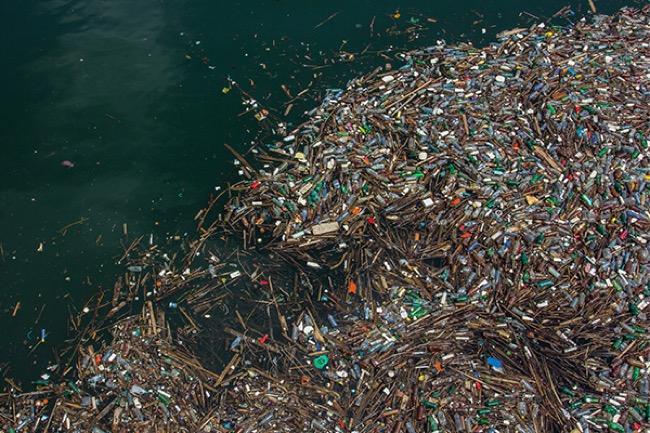
Credit: Alliance for the Great Lakes


Research from a leading international expert on the health of the Great Lakes suggests that the growing intensity and scale of pollution from plastics poses serious risks to human health and will continue to have profound consequences on the ecosystem.

In an article published this month in the Journal of Waste Resources and Recycling, Gail Krantzberg, a professor in the Booth School of Engineering Practice and Technology at McMaster University, argues that while plastic waste in the oceans has generated widespread global attention, few realize the problem is also getting much worse closer to home.

“We are increasingly detecting microplastics in the waters and fish and wildlife in the Great Lakes,” she says. “A fish with a gut full of plastics cannot be a healthy fish and can, in fact, starve to death. We know this problem is increasing in severity.”

Microplastics, which are typically less than 5 mm in size, are found in textiles, medicines and personal care products such as facial scrubs, toothpastes and cleansers.

Significant concentrations of microplastics have found their way into the Great Lakes and surrounding watersheds for several reasons which include dense urban populations which produce more plastic litter, increasingly severe storms which overwhelm municipal water treatment facilities sending runoff into the ecosystem and the failure of recycling efforts.

Much of what we believe we are recycling actually ends up in the landfill and flies away into our streams, rivers and lakes, explains Krantzberg.

Some studies have found that plastic debris can travel up to 100 km in the atmosphere, possibly further, and accumulates in large quantities along shorelines, beaches, and in open freshwater and marine environments.

“It is hard to conceive of recapturing all the plastics that are now in the lakes, but we can make a difference by eliminating many unnecessary plastics from use such as plastic straws, cutlery, bags and other disposable waste,” she says.

By some estimates, the overall economic impact of plastics to marine ecosystems is expected to reach $13-billion US per year.

###

Media Contact
Michelle Donovan
[email protected]
905-525-9140

Tags: BiologyEarth ScienceHydrology/Water ResourcesPollution/Remediation
Share12Tweet8Share2ShareShareShare2

Related Posts

Fischer’s Blue Butterflies Less Attractive on Non-Native Diet, Study Finds — Biology

Fischer’s Blue Butterflies Less Attractive on Non-Native Diet, Study Finds

May 19, 2026

How One Protein Uses Embryonic Brain Language to Maintain Plasticity in Adult Neurons

May 19, 2026

Scientists Can Now Monitor America’s Dolphin Populations Using DNA Floating in Seawater

May 19, 2026

New Insights into How Smoking Causes Lung Stiffness

May 19, 2026
Please login to join discussion

POPULAR NEWS

  • Research Indicates Potential Connection Between Prenatal Medication Exposure and Elevated Autism Risk

    845 shares
    Share 338 Tweet 211
  • New Study Reveals Plants Can Detect the Sound of Rain

    731 shares
    Share 292 Tweet 182
  • Salmonella Haem Blocks Macrophages, Boosts Infection

    62 shares
    Share 25 Tweet 16
  • Breastmilk Balances E. coli and Beneficial Bacteria in Infant Gut Microbiomes

    58 shares
    Share 23 Tweet 15

About

We bring you the latest biotechnology news from best research centers and universities around the world. Check our website.

Follow us

Recent News

Full-Body Head-Up Tilt Sleep Aids Parkinson’s, MSA

Myelin Damage in Donor Skin Distinguishes Synucleinopathies

FGFR1, Not S6K1/2, Fuels BRAF Resistance

Subscribe to Blog via Email

Enter your email address to subscribe to this blog and receive notifications of new posts by email.

Join 82 other subscribers
  • Contact Us

Bioengineer.org © Copyright 2023 All Rights Reserved.

Welcome Back!

Login to your account below

Forgotten Password?

Retrieve your password

Please enter your username or email address to reset your password.

Log In
No Result
View All Result
  • Homepages
    • Home Page 1
    • Home Page 2
  • News
  • National
  • Business
  • Health
  • Lifestyle
  • Science

Bioengineer.org © Copyright 2023 All Rights Reserved.