


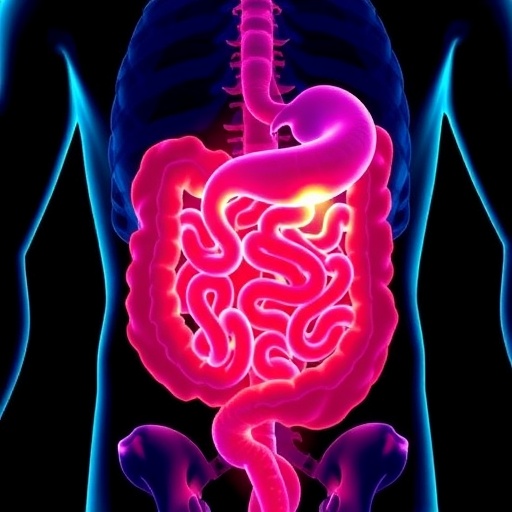
In a groundbreaking study published in the Journal of Translational Medicine, researchers have unveiled the significant role of a protein known as MCM8 in the progression of colorectal cancer. This work offers fresh insights into the intricate molecular mechanisms underpinning this prevalent cancer type, which is known for its aggressive behavior and high mortality rates. The team led by Qian and colleagues has explored the contributions of MCM8, particularly its ability to inhibit another protein, HRD1, that plays a crucial role in the regulation of CDC42, a molecule involved in cell signaling pathways tied to cancer progression.
Colorectal cancer remains a leading cause of cancer-related deaths worldwide, highlighting the urgent need for new therapeutic strategies. The study focuses on understanding how tumor cells utilize various proteins to manipulate their environment and promote unchecked growth. A critical finding of this research is the competitive inhibition of HRD1-mediated CDC42 ubiquitination by MCM8, which can lead to increased levels of CDC42 in cancer cells. This finding sheds light on a potential target for therapeutic intervention that could disrupt this maladaptive signaling pathway in colorectal cancer.
Proteins like MCM8 and HRD1 are pivotal in cellular functions, including growth, differentiation, and the maintenance of cellular homeostasis. Specifically, HRD1 is an E3 ubiquitin ligase that tags proteins for degradation, a process that is essential for regulating cellular levels of various signaling molecules, including CDC42. The ability of MCM8 to inhibit this process suggests that it might be enhancing oncogenic signals within colorectal cancer cells by preventing the degradation of CDC42 — a potent driver of tumorigenesis.
Their research methodology included a series of intricate biochemical assays that demonstrated the interaction between MCM8, CDC42, and HRD1 within cell cultures derived from colorectal cancer patients. The researchers employed co-immunoprecipitation techniques, which are pivotal for revealing protein-protein interactions in live cells. These results confirmed that MCM8 directly impacts the stability of CDC42 by preventing its ubiquitination, thus allowing this signaling molecule to accumulate to levels that promote cancer cell proliferation and survival.
Furthermore, the researchers utilized knockdown experiments wherein the expression of MCM8 was suppressed in colorectal cancer cell lines. These experiments yielded compelling evidence that diminished levels of MCM8 lead to reduced CDC42 levels, subsequently causing a decrease in cell viability and increased susceptibility to apoptosis, or programmed cell death. Such findings imply that MCM8 acts as a pivotal oncogenic factor that supports the survival and proliferation of colorectal cancer cells by thwarting the normal degradation process enforced by HRD1.
In addition to in vitro cell culture studies, the researchers conducted in vivo experiments using animal models to validate their findings in a more complex biological system. These animal studies not only corroborated that MCM8 supports tumor growth in colorectal cancer but also provided insights into the potential therapeutic implications of targeting MCM8. By suppressing this protein, one might effectively restore the usual degradation pathway of CDC42, potentially slowing or halting the progression of colorectal tumors.
The implications of this study extend beyond basic science; they venture into the realm of clinical applications. As researchers pinpoint the molecular culprits behind colorectal cancer, they expose new avenues for targeted therapies that may prevent this disease’s progression. In an era of personalized medicine, where treatments can be tailored to an individual’s specific cancer profile, understanding the interplay between MCM8, HRD1, and CDC42 may lead to innovative treatment options for colorectal cancer patients.
Moreover, the study also emphasizes the importance of molecular diagnostics in colorectal cancer. By measuring MCM8 levels within tumor samples, it may be possible to predict disease aggressiveness and patient outcomes. Such diagnostic tools could augment the current methodologies for cancer staging and treatment planning, providing clinicians with critical information to make more informed decisions regarding therapy.
As the research community continues to unravel the enigmatic biology of cancer, studies such as the one led by Qian and colleagues provide not only essential data but also hope for the millions affected by this devastating disease. Their work exemplifies the iterative nature of cancer research, where understanding fundamental biological processes can inform both clinical strategies and potential therapeutic targets.
In conclusion, MCM8 has emerged as a critical player in colorectal cancer progression, revealing a new layer of complexity in tumor biology. The interaction between MCM8 and CDC42, mediated by HRD1, epitomizes the nuanced regulatory mechanisms that govern cancer cell survival and proliferation. As further research unfolds, it is anticipated that insights from this study will contribute significantly to advancements in colorectal cancer therapy and improve clinical outcomes for patients worldwide.
The relentless pursuit of understanding and combating colorectal cancer stands to benefit from these findings, as they pave the way toward innovative therapeutic approaches. By targeting the molecular interactions unveiled in this research, the hopes of developing more effective treatments for colorectal cancer become ever more plausible, extending the breadth of options available to clinicians and patients alike.
Subject of Research: The role of MCM8 in colorectal cancer progression.
Article Title: MCM8 promotes colorectal cancer progression by competitively inhibiting HRD1-mediated CDC42 ubiquitination and degradation.
Article References:
Qian, S., Zeng, L., Chen, F. et al. MCM8 promotes colorectal cancer progression by competitively inhibiting HRD1-mediated CDC42 ubiquitination and degradation. J Transl Med (2026). https://doi.org/10.1186/s12967-026-07687-0
Image Credits: AI Generated
DOI: 10.1186/s12967-026-07687-0
Keywords: MCM8, colorectal cancer, CDC42, HRD1, ubiquitination, tumor progression, targeted therapy.
Tags: aggressive colorectal cancer characteristicscancer cell growth regulationCDC42 signaling pathways in cancercolorectal cancer progression mechanismsHRD1 protein function in tumor biologyinnovative strategies for cancer treatmentMCM8 role in colorectal cancermolecular mechanisms of colorectal cancerprotein interactions in cancer developmenttherapeutic targets for colorectal cancertranslational medicine in oncologyubiquitination inhibition in cancer



