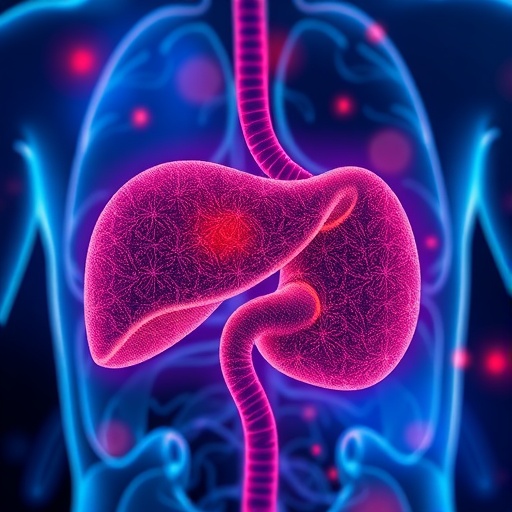
In a groundbreaking advancement in the fight against cholangiocarcinoma—a notoriously aggressive and rare form of bile duct cancer—researchers at the Mayo Clinic have unveiled a novel targeted therapy platform that harnesses the natural properties of milk-derived nanoparticles to deliver precision gene therapy directly to tumor cells. This innovative approach, detailed in a study published in the prestigious journal JHEP Reports, represents a significant leap forward in personalized cancer treatment by exploiting molecular-level targeting mechanisms that could spare healthy tissues and amplify therapeutic efficacy.
Cholangiocarcinoma remains one of the most challenging cancers to treat effectively, largely due to the absence of medications that can selectively target its unique genetic aberrations. Traditional treatments often lack specificity, leading to systemic toxicity and limited improvement in patient prognosis. Recognizing these challenges, the Mayo Clinic team devised a strategy aimed at silencing oncogenes—that is, genes driving cancer progression—through the use of small interfering RNA (siRNA), molecules capable of binding to and repressing the expression of defined gene sequences. However, a major hurdle in siRNA therapy lies in achieving precise delivery to cancer cells without off-target effects.
To navigate this complexity, the research team embarked on an ambitious molecular screening endeavor encompassing a staggering library of approximately 600 trillion random DNA sequences. Their primary aim was to identify short DNA fragments, known as aptamers, that function as molecular homing devices by specifically recognizing and binding to cholangiocarcinoma tumor cells. Utilizing an advanced iterative selection method called Cell-SELEX (Systematic Evolution of Ligands by Exponential Enrichment), they successfully isolated an aptamer with high affinity and selectivity against the cancer cells. This precise targeting capability is pivotal in maximizing therapeutic payload delivery while reducing collateral damage to normal cells.
In parallel, the investigators leveraged a unique biocompatible delivery vehicle: nanoparticles derived from milk fat. Developed initially by Mayo’s Dr. Tushar Patel, these milk-derived nanoparticles offer a naturally occurring, biodegradable platform capable of ferrying therapeutic agents through the body. By conjugating the identified aptamer onto these lipid-based nanoparticles and loading them with siRNA against cancer-driving genes, the researchers engineered a sophisticated delivery system that navigates the bloodstream, homes in on cholangiocarcinoma cells, and releases its genetic silencing payload within the tumor microenvironment.
This multi-component system was rigorously tested in preclinical models. The results were compelling—targeted delivery of siRNA using the aptamer-functionalized milk nanoparticles led to significant reductions in tumor growth and enhanced rates of cancer cell apoptosis, all while sparing healthy tissue from damage. The ability to achieve such selective gene silencing in vivo not only underscores the therapeutic potential of this platform but also lays the groundwork for future customizations tailored to individual patients’ tumor genetic profiles.
Despite these promising findings, the research remains preclinical, and further development is requisite before clinical translation. The Mayo Clinic team has secured patents covering the technology and is actively refining the aptamer sequences, expanding target gene repertoires, and evaluating efficacy across various cholangiocarcinoma subtypes. Their long-term vision is to establish a precision medicine pipeline wherein patient-specific genetic analyses inform the design of customized siRNA therapies delivered via these milk-derived nanoparticles, ultimately enhancing treatment outcomes while minimizing adverse effects.
Experts in the field have hailed this development as a potential paradigm-shift in gene therapy delivery for solid tumors. The novel convergence of aptamer technology with a natural nanodelivery vehicle distinguishes this strategy from previous attempts hindered by delivery inefficiencies and immunogenicity concerns. Moreover, the versatility of the platform suggests applicability beyond cholangiocarcinoma, possibly extending to other malignancies with defined genetic drivers.
“One of the critical limitations in treating cholangiocarcinoma is the paucity of drugs that effectively target the disease’s underlying molecular drivers,” noted Dr. Rory Smoot, surgical oncologist and senior study author at Mayo Clinic. “Our technology focuses on silencing those specific genes in tumor cells while minimizing harm to surrounding normal tissues, thereby improving therapeutic precision and safety.”
Brandon Wilbanks, Ph.D., postdoctoral fellow and first author, emphasized the collaborative and interdisciplinary nature of the work. “Integration of synthetic biology, nanotechnology, and oncology has enabled us to conceptualize a delivery mechanism that not only finds cancer cells with unprecedented specificity but also exerts potent gene silencing effects. This combination marks a significant step toward deploying safer, personalized cancer therapeutics.”
The research was supported by multiple prestigious institutions and grants, including Mayo Clinic’s RNA Discovery and Translation Program, the Hepatobiliary SPORE funded by the National Cancer Institute, the Mayo Clinic Center for Cell Signaling in Gastroenterology, and international funding from JSPS KAKENHI and the University of Wisconsin. Importantly, the researchers have disclosed no conflicts of interest, ensuring the integrity and transparency of the work.
While clinical application remains on the horizon, this pioneering study offers a compelling glimpse into the future of targeted genetic therapies for cancers with limited treatment options. By merging cutting-edge molecular targeting with biocompatible nanotechnology, Mayo Clinic’s approach not only promises to revolutionize cholangiocarcinoma management but also serves as a blueprint for the development of therapies against a broad spectrum of difficult-to-treat malignancies.
As research progresses, further studies will seek to optimize dosing, improve nanoparticle stability, and expand the range of actionable gene targets. Success in these areas will be crucial to translating this innovative siRNA delivery platform into effective, patient-tailored treatments capable of improving survival and quality of life for those afflicted by this devastating cancer.
In an era increasingly defined by precision medicine, innovations such as this exemplify the power of harnessing biotechnology and natural materials to outsmart cancer. The convergence of sophisticated molecular design and smart delivery systems stands as a beacon of hope for the many patients afflicted by cholangiocarcinoma, renewing optimism for safe, effective, and personalized therapeutic options in the not-too-distant future.
Subject of Research: Development of a targeted siRNA delivery system using milk-derived nanoparticles and DNA aptamers for cholangiocarcinoma.
Article Title: Cell-SELEX identifies a DNA aptamer for highly selective in vivo siRNA delivery in cholangiocarcinoma.
News Publication Date: 15-Mar-2026.
Web References:
Mayo Clinic
Cholangiocarcinoma Information
Original Study in JHEP Reports
References: Provided in the original JHEP Reports publication.
Keywords: Cholangiocarcinoma, siRNA therapy, DNA aptamer, Cell-SELEX, milk-derived nanoparticles, gene silencing, targeted therapy, personalized medicine, nanotechnology, molecular targeting, cancer treatment, oncology.
Tags: advanced therapies for aggressive bile duct cancerJHEP Reports cancer studyMayo Clinic cancer research breakthroughsmilk-derived nanoparticles for cancer therapymolecular targeting mechanisms in cancernanoparticle drug delivery in oncologynovel bile duct cancer treatmentsovercoming systemic toxicity in cancer treatmentpersonalized cancer therapy innovationsprecision siRNA delivery systemssiRNA-based oncogene silencingtargeted gene therapy for cholangiocarcinoma