In a groundbreaking move that could revolutionize postoperative care for the elderly, researchers have embarked on a pioneering clinical trial to explore the preventive potential of repetitive transcranial magnetic stimulation (rTMS) against delirium following arthroplasty procedures. This initiative marks a significant step toward addressing one of the most perplexing and debilitating complications faced by elderly patients undergoing joint replacement surgeries. Postoperative delirium, an acute and fluctuating disturbance in attention and cognition, affects a substantial proportion of this vulnerable population, often leading to prolonged hospital stays, increased morbidity, and elevated healthcare costs.
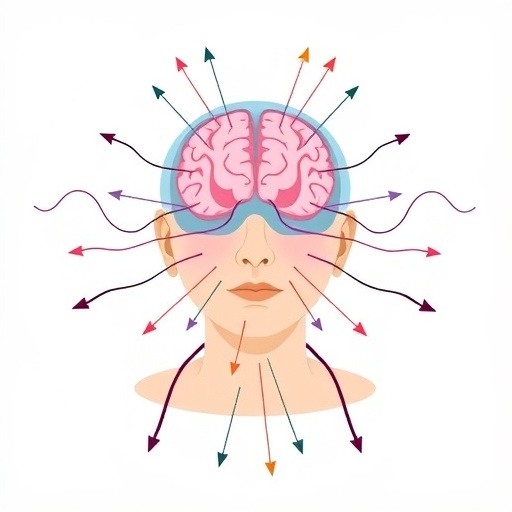
The trial, spearheaded by Zhao Zj., Yang Y., Wei Sr., and colleagues as detailed in their study protocol published in BMC Geriatrics, is designed as a single-center, prospective, randomized controlled investigation, emphasizing rigorous scientific methodology to reliably assess the efficacy of rTMS in this context. Transcranial magnetic stimulation offers a non-invasive technique involving the delivery of magnetic pulses that can modulate neuronal activity, potentially stabilizing brain function during the critical postoperative period. This approach builds upon a growing body of neurophysiological research suggesting that targeted brain stimulation may counteract neural network disruptions implicated in delirium pathogenesis.
Delirium, notably challenging to predict and manage, manifests through sudden confusion, diminished awareness, and impaired cognition, often exacerbated in elderly patients due to pre-existing brain vulnerabilities and systemic stressors triggered by surgery. Conventional strategies primarily focus on symptomatic management rather than true prevention. The innovative use of rTMS aims to shift this paradigm by enhancing cortical excitability and network coherence, which may fortify cognitive resilience against the insults that precipitate delirium episodes.
Within the scope of this trial, elderly patients scheduled for arthroplasty will be meticulously screened and enrolled according to strict inclusion criteria, ensuring the selection of a representative cohort. The randomized assignment to either an active rTMS treatment arm or a sham intervention group allows for blinding and minimizes bias, providing a solid foundation for valid comparisons. The prospective nature of the study means that patients will be followed forward in time, capturing detailed neurocognitive assessments and clinical outcomes to evaluate the intervention’s impact comprehensively.
Technical parameters of rTMS, such as stimulation frequency, intensity, and target brain regions, have been carefully calibrated based on emerging neuroscientific insights. By applying repetitive pulses to areas involved in attention regulation and executive function—namely the dorsolateral prefrontal cortex—the stimulation may help reinstate neural circuits disrupted during surgical stress. This focused approach draws from existing evidence of rTMS efficacy in treating neuropsychiatric disorders, suggesting a promising translational application for delirium prevention.
The potential implications of successfully preventing postoperative delirium in elderly arthroplasty patients extend far beyond individual recovery trajectories. Delirium not only increases the risk of long-term cognitive decline and dementia but also burdens healthcare institutions due to longer hospitalization durations, increased need for rehabilitative services, and elevated mortality rates. By potentially mitigating these adverse outcomes, rTMS could contribute to substantial improvements in patient quality of life and reduce strain on caregivers and healthcare systems alike.
One critical aspect of the study is its single-center design, which allows for standardized procedural protocols and close patient monitoring. While this might limit generalizability, the focused environment ensures high-quality data collection and protocol adherence, serving as a necessary precursor to larger multicenter trials. The findings will also provide a valuable framework for optimizing dosimetry and timing of rTMS administration in perioperative settings, paving the way for broader clinical applications.
Importantly, the study addresses safety concerns, as rTMS is generally well-tolerated with a low incidence of adverse effects. Monitoring protocols include the vigilant assessment of potential side effects such as headaches or scalp discomfort, ensuring patient welfare throughout the intervention. Considering the frailty of the elderly surgical cohort, this emphasis on safety underlines the clinical feasibility and ethical rigor embedded within the trial design.
The researchers acknowledge that delirium’s multifactorial etiology — encompassing neuroinflammation, neurotransmitter imbalance, and cerebral hypoxia — means that no single intervention is likely to be universally effective. Nevertheless, the neuromodulatory capacity of rTMS might provide a critical adjunctive strategy, especially when integrated within a multimodal approach to perioperative care that includes optimal anesthesia management, pain control, and early mobilization.
This ambitious trial protocol reflects a growing trend in neurogeriatric research to harness cutting-edge technology for safeguarding cognitive function amidst surgical and medical stressors. It represents a fusion of disciplines, drawing from neurology, geriatrics, psychiatry, and biomedical engineering to tackle a pressing clinical challenge with innovative tools. If successful, this could herald a new era in geriatric surgery, where neuroprotective interventions become standard adjuncts to improve outcomes.
Moreover, by publishing the study protocol openly in a reputable journal like BMC Geriatrics, the authors encourage transparency and collaborative refinement of methodology. This openness fosters scientific discourse that can accelerate progress and inspire parallel efforts globally to mitigate delirium’s profound impact on older adults.
In conclusion, the ongoing investigation into repetitive transcranial magnetic stimulation as a preventive measure against postoperative delirium in elderly arthroplasty patients represents a crucial frontier in perioperative neuroprotection. By leveraging advanced neuromodulation technologies within stringent, methodologically robust clinical trials, the research community is poised to transform postoperative care paradigms. The promise of reducing delirium incidence could significantly enhance recovery trajectories, reduce healthcare burdens, and ultimately improve the lived experience of millions of older adults undergoing surgery worldwide.
Subject of Research: Prevention of postoperative delirium in elderly arthroplasty patients using repetitive transcranial magnetic stimulation.
Article Title: Repetitive transcranial magnetic stimulation to prevent postoperative delirium in elderly arthroplasty patients: study protocol for a single-centre, prospective, randomized controlled trial.
Article References:
Zhao, Zj., Yang, Y., Wei, Sr. et al. Repetitive transcranial magnetic stimulation to prevent postoperative delirium in elderly arthroplasty patients: study protocol for a single-centre, prospective, randomized controlled trial. BMC Geriatr (2026). https://doi.org/10.1186/s12877-026-07579-4
Image Credits: AI Generated
Tags: arthroplasty and delirium riskclinical trials in elderly joint replacementelderly post-surgery cognitive careimpact of rTMS on brain functionmanagement of acute postoperative cognitive disturbancesneurophysiological interventions for deliriumneurostimulation to reduce hospital staynon-invasive brain stimulation techniquesprevention of postoperative deliriumrandomized controlled trials in geriatricsrepetitive transcranial magnetic stimulation for elderlystrategies to lower morbidity in elderly surgery patients