


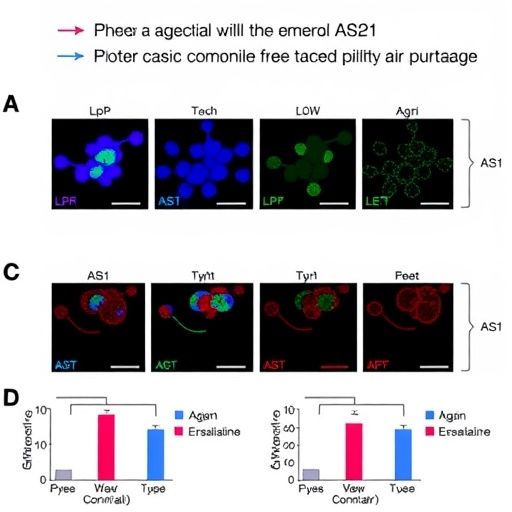
In recent years, the significance of the gut microbiome in human health has attracted immense attention, especially its relationship with various gastrointestinal disorders. The study titled “Time-dependent Lactiplantibacillus plantarum (LP) AS21 intervention enhances mesalazine efficacy by modulating gut microbiota and host immunometabolic responses in DSS-induced colitis,” conducted by Bacha et al., delves into the potential of Lactiplantibacillus plantarum AS21 as a therapeutic intervention in the context of ulcerative colitis, a chronic inflammatory bowel disease that notoriously afflicts millions worldwide. This research provides important insights into how the timing of probiotic administration can impact the treatment outcomes for patients suffering from this debilitating condition.
Ulcerative colitis is characterized by inflammation of the colon, leading to symptoms like bloody diarrhea, abdominal pain, and an urgent need to defecate. Mesalazine is a standard pharmacological agent in managing this disease, working by reducing inflammation in the intestinal lining. However, despite its effectiveness, not all patients respond favorably to mesalazine, underscoring the need for adjunct therapies that can improve its efficacy and provide better overall management for patients with this condition.
The study by Bacha et al. takes a unique approach by integrating the concepts of time-dependence and gut microbiota manipulation into the therapeutic landscape of ulcerative colitis. The researchers utilized a murine model of colitis, induced by dextran sulfate sodium (DSS), to simulate the human condition. This model is widely recognized for its reliability in studying inflammatory bowel diseases and allows for controlled experimentation on the underlying mechanisms contributing to disease pathology and treatment responses.
Lactiplantibacillus plantarum, one of the most widely studied probiotic strains, has shown promise in various gastrointestinal disorders due to its ability to restore the intestinal microbiota equilibrium. The researchers hypothesized that administering Lactiplantibacillus plantarum AS21 alongside mesalazine would not only enhance the drug’s anti-inflammatory effects but also modify the gut microbiome in a way that promotes healing and reduces inflammation. Their findings reinforce the idea that a healthy gut microbiota is crucial for optimal immune response and can significantly influence treatment outcomes.
The researchers meticulously analyzed the effects of the probiotic intervention on the gut microbiota composition in the DSS-induced colitis model. Their observations showed a substantial shift in microbial populations, with an increase in beneficial bacteria and a decrease in pathogenic strains after the administration of Lactiplantibacillus plantarum AS21. This shift not only points toward the strain’s ability to promote gut health but also indicates its potential role in augmenting the efficacy of mesalazine through sustained modulation of the microbiota.
Furthermore, the time-dependent aspect of this study adds a critical layer to understanding how probiotics should be utilized in conjunction with conventional medication. The results indicated that the timing of intervention was pivotal. Probiotic administration before the onset of treatment with mesalazine showed a significant synergistic effect, leading to enhanced recovery rates compared to administering the probiotic simultaneously or after mesalazine treatment. This finding illuminates the importance of strategic timing when integrating probiotics into treatment protocols, a consideration that has previously been overlooked in clinical settings.
In addition to microbial composition analyses, the study meticulously assessed immunological parameters, investigating inflammatory markers and immune cell populations in the colon. The researchers found that the Lactiplantibacillus plantarum AS21 intervention significantly modulated various immunometabolic responses, leading to decreased levels of pro-inflammatory cytokines. This suggests that the probiotic not only aids in restoring microbial balance but also plays a role in tempering the immune response to mitigate inflammation.
The implications of these findings are profound, as they pave the way for innovative treatment strategies involving probiotics. By harnessing the power of Lactiplantibacillus plantarum AS21, clinicians may soon develop more effective treatment protocols for ulcerative colitis, potentially improving the quality of life for countless patients. Moreover, it raises intriguing possibilities regarding the use of probiotics in conjunction with other medications, indicating a need for further research to explore these synergistic effects more comprehensively.
While the study presents compelling results, it also serves as a reminder that more extensive clinical trials are essential to translate these findings into practice. The complex interplay between gut microbiota, immunological responses, and pharmacological agents calls for a thorough investigation to establish definitive protocols that can be standardized across healthcare settings. With ongoing research in this domain, there is hope that integrative approaches combining probiotics and conventional therapeutics could revolutionize the management of inflammatory bowel diseases.
In conclusion, Bacha et al.’s research represents a significant step forward in our understanding of ulcerative colitis and its treatment. By demonstrating how the timing and selection of probiotics can influence the efficacy of mesalazine, the study opens new avenues for therapy and emphasizes the importance of personalized medicine in treating chronic conditions. As the medical community continues to unravel the mysteries of the microbiome, the future of gastrointestinal health looks increasingly promising.
Subject of Research: The effectiveness of Lactiplantibacillus plantarum AS21 as an adjunct therapy to enhance mesalazine efficacy in DSS-induced colitis.
Article Title: Time-dependent Lactiplantibacillus plantarum (LP) AS21 intervention enhances mesalazine efficacy by modulating gut microbiota and host immunometabolic responses in DSS-induced colitis.
Article References:
Bacha, A.S., Ding, Z., Li, W. et al. Time-dependent Lactiplantibacillus plantarum (LP) AS21 intervention enhances mesalazine efficacy by modulating gut microbiota and host immunometabolic responses in DSS-induced colitis. J Transl Med (2026). https://doi.org/10.1186/s12967-025-07651-4
Image Credits: AI Generated
DOI: 10.1186/s12967-025-07651-4
Keywords: Lactiplantibacillus plantarum, mesalazine, ulcerative colitis, gut microbiota, immunometabolic responses, dextran sulfate sodium.
Tags: adjunct therapies for ulcerative colitisbacterial influence on gut healthchronic inflammatory bowel disease managementgut health and inflammationgut microbiome modulationimmunometabolic responses in gastrointestinal disordersLactiplantibacillus plantarum AS21mesalazine efficacy enhancementoptimizing mesalazine treatment outcomesprobiotic intervention in colitistime-dependent probiotic administrationulcerative colitis treatment strategies



