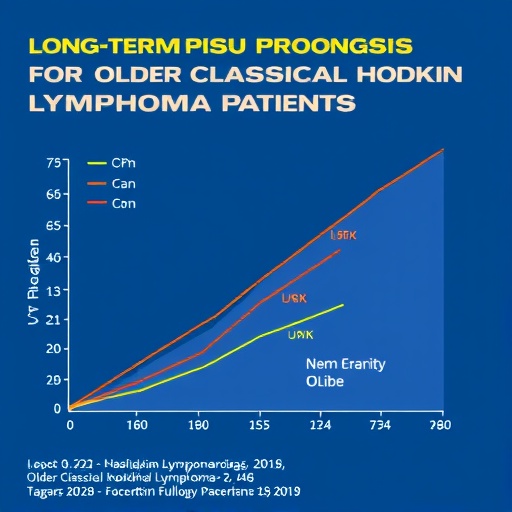
Recent studies indicate a profound necessity to evaluate the long-term outcomes of older patients diagnosed with classical Hodgkin lymphoma. Researchers have focused their attention on the intricate dynamics of this disease within the aging population, exposing both the challenges faced by these patients and the advancements in medical care that have shaped their treatment. The analysis of data extracted from the Texas Cancer Registry provides unique insights into survival rates, treatment efficacies, and overall health outcomes for these individuals.
The findings underscore a significant demographic shift, as the population of older adults who develop classical Hodgkin lymphoma continues to grow. Historically, Hodgkin lymphoma has been more prevalent among younger individuals, leading to a relative lack of attention to how the disease manifests and is treated in older patients. This comprehensive analysis sheds light on the pressing need for tailored therapeutic approaches that take into consideration the unique medical needs of aging patients.
Through meticulous data collection and analysis, researchers have been able to paint a clearer picture of how age impacts prognostic factors such as disease stage at diagnosis, response to treatment, and comorbid conditions that may complicate the clinical landscape. The outcomes reveal that older adults are often at a disadvantage when facing this disease, experiencing different symptomatology and treatment responses compared to their younger counterparts.
The study’s results suggest that the medical community must adjust its framework for managing Hodgkin lymphoma among older adults. Therapeutic approaches that have been effective for younger populations may not translate seamlessly to older patients, necessitating a critical reevaluation of treatment protocols to increase efficacy and minimize potential adverse effects. Understanding these nuances can empower healthcare providers to develop more innovative treatment strategies that reflect the realities of aging.
Central to the research is the role of the Texas Cancer Registry, which offers a wealth of longitudinal data that researchers can tap into for their analyses. By observing trends over time, the study has illuminated how clinical outcomes have changed with advancements in treatment modalities, including the introduction of novel therapies and improvements in supportive care. Such historical perspectives are invaluable for developing future protocols aimed at enhancing patient outcomes.
One critical aspect highlighted by the study is the disparity in access to care faced by older patients. Many older adults may not receive timely diagnoses or optimal treatment due to various factors, including mobility issues, socioeconomic barriers, and a generalized ageist approach in healthcare. The publication underscores the urgency in addressing these barriers, advocating for systemic changes that facilitate equitable access to care.
Importantly, mental health considerations have emerged as a pivotal detail within the context of treating older adults with classical Hodgkin lymphoma. The psychosocial elements of facing a cancer diagnosis at an older age can significantly influence treatment adherence and overall well-being. The study stresses the necessity of integrating mental health support into the care continuum, ensuring that older patients receive comprehensive assistance that encompasses both physical and emotional health.
A deeper understanding of the biological underpinnings of classical Hodgkin lymphoma in older adults is also critical. As aging affects the immune system, it is essential to investigate how the disease interacts with age-related biological changes. Insights gained from such studies may lead to advancements in targeted therapies that improve outcomes for this specific population, paving the way for personalized medicine that aligns with the physiological status of older patients.
Furthermore, the presence of comorbid conditions complicates treatment plans, often making standard therapeutic regimens less applicable. The study reveals that older patients frequently present with additional health issues that must be navigated alongside their cancer diagnosis. Oncologists must adopt a multidisciplinary approach that collaborates with geriatric specialists to ensure that treatment plans are holistic and consider the totality of the patient’s health.
As research continues to unfold, there is an ongoing need for education among healthcare professionals regarding the particularities of treating older individuals with Hodgkin lymphoma. Conventional wisdom surrounding the management of lymphomas can overlook the distinctive challenges faced by this demographic. Training programs and systems of care should be refined to reflect an understanding that geriatric patients are not merely ‘older’ versions of younger patients but possess unique needs and treatment responses.
In conclusion, the analysis of the long-term outcomes of older patients with classical Hodgkin lymphoma presents an urgent call to action for both researchers and clinicians. The complexities associated with aging and cancer necessitate a shift in how the medical community approaches diagnosis, treatment, and support for this group. Comprehensive strategies that prioritize research, equitable access to care, mental health integration, and interdisciplinary collaboration will undeniably lead to improved outcomes for older patients battling classical Hodgkin lymphoma. Our ongoing commitment to understanding this landscape will empower future advancements that prioritize patient-centered care and ultimately enhance survival rates in an aging population.
As the narratives surrounding classical Hodgkin lymphoma in older adults continue to evolve, so too must our strategies for addressing the unique challenges they face. The implications of this research extend beyond cancer treatment alone; they offer a blueprint for how society can better serve its aging members, fostering a healthcare system that is responsive and attuned to the complexities of treating older patients.
Subject of Research: Long term outcomes of older patients with classical Hodgkin lymphoma.
Article Title: Long term outcomes of older patients with classical Hodgkin lymphoma: an analysis of the Texas cancer registry.
Article References:
Burns, E.A., Hassanain, H., Mathur, S. et al. Long term outcomes of older patients with classical hodgkin lymphoma: an analysis of the Texas cancer registry.
Ann Hematol 104, 6305–6314 (2025). https://doi.org/10.1007/s00277-025-06539-z
Image Credits: AI Generated
DOI: December 2025
Keywords: Classical Hodgkin lymphoma, older patients, Texas cancer registry, long-term outcomes, cancer treatment, aging population.
Tags: aging population lymphoma treatmentchallenges in treating older adults lymphomacomorbid conditions lymphoma patientsdemographic shift Hodgkin lymphomadisease stage at diagnosis lymphomalong-term outcomes classical Hodgkin lymphomamedical care advancements Hodgkin lymphomaolder patients cancer prognosissurvival rates Hodgkin lymphomatailored therapeutic approaches cancerTexas Cancer Registry data analysisunique needs aging cancer patients