For millions of Americans who reach for cannabis products at bedtime in the belief that marijuana helps them drift off and stay asleep, a new long-term study offers an uncomfortable reality check. Research from Northwestern Medicine, published on October 9, 2026, in JAMA Network Open, found that both lifetime and recent cannabis use were associated with poorer objectively measured sleep quality — even though the people who used cannabis generally did not perceive their sleep to be any worse than anyone else’s. The disconnect between what the monitoring devices recorded and what users reported about their own rest may be the study’s most striking and consequential finding, because it suggests that cannabis-related sleep disruptions may go entirely unnoticed by the very people experiencing them.
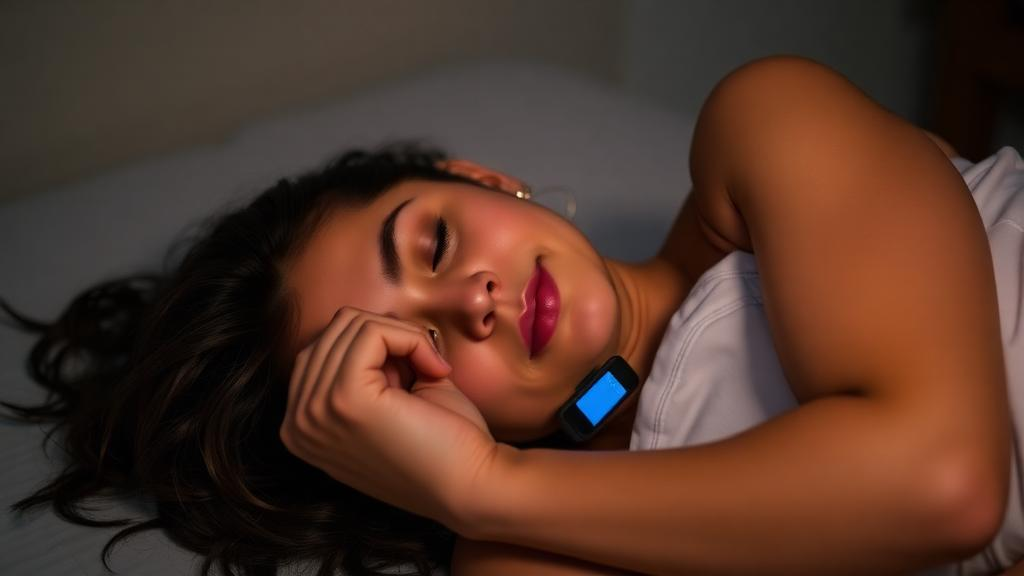
The research is notable not only for its conclusions but for its extraordinary time horizon. Rather than a snapshot survey asking people how they slept last night, the study followed participants from young adulthood into middle age for nearly 35 years, repeatedly tracking their cannabis use across decades of their lives. In middle age, participants wore a wrist-based sleep monitor for a full week and completed sleep surveys, allowing the scientists to compare objective measures of sleep — the kind captured by sensors rather than self-assessment — with participants’ own perceptions of how well they slept. That combination of long-term exposure data and objective sleep measurement is rare in cannabis research, and it gives the findings unusual weight.
The data came from the Coronary Artery Risk Development in Young Adults, or CARDIA, Study, a long-running, community-based investigation that began in 1985 and 1986 and follows Black and white adults across the United States. Among 1,266 participants analyzed, the researchers found that greater lifetime cannabis exposure was associated with poorer objective sleep quality. People with higher cumulative cannabis use spent a lower percentage of the night actually asleep, experienced more fragmented sleep, and spent more time awake after initially falling asleep. In other words, the more cannabis people had used over their lifetimes, the more their measured sleep bore the fingerprints of disruption.
Recent cannabis users showed similar patterns. Compared with people who never used cannabis, recent users were more likely to have lower sleep efficiency, greater sleep fragmentation, and longer periods of wakefulness during the night. They were also significantly more likely to sleep longer than eight hours per night — a detail that may sound like a benefit but can itself signal poor-quality, less restorative rest. Sleep that is long but fragmented and inefficient is not the same as sleep that is deep and continuous, and the monitors used in this study were able to distinguish between the two.
The perceptual gap emerged when researchers asked participants to rate their own sleep quality. Cannabis use showed no association with whether people felt they slept well or poorly. Users and non-users reported essentially similar subjective impressions of their rest, even as the wrist-worn devices told a different story. “This was one of the most interesting findings,” said corresponding author Dr. Thanh-Huyen T. Vu, research associate professor of preventive medicine (epidemiology) at Northwestern University Feinberg School of Medicine. “The wearable device detected more nighttime disruption among participants with long-term cannabis exposure, but the participants themselves generally did not report worse sleep.”
That mismatch matters for a simple reason: people decide whether a sleep aid is working based on how they feel, not on sensor data. If cannabis subtly fragments sleep architecture without producing a conscious sense of worse rest, users may continue to believe the drug is helping them while the measurable quality of their sleep quietly deteriorates. “This study challenges the common belief that cannabis helps people sleep better,” Vu said. “Our findings suggest cannabis may actually be associated with poorer sleep quality, even if people don’t perceive those changes.”
The study was not designed to determine whether cannabis directly causes sleep problems — an important caveat, since observational research of this kind can identify associations but cannot fully rule out other explanations. People who use cannabis may differ from non-users in ways the statistical models cannot completely capture. Still, the researchers adjusted for numerous factors known to affect sleep, including age, sex, race, cigarette smoking, alcohol use, physical activity, depression, chronic health conditions, and use of other substances. Cannabis use remained associated with poorer objectively measured sleep even after those adjustments, which the authors say provides some of the strongest evidence to date that long-term recreational cannabis use and better sleep quality may not be as closely aligned as commonly believed.
“Our data do not support the belief that cannabis is helpful as a sleep aid,” said senior author Mercedes R. Carnethon, chair of the department of preventive medicine at Feinberg. “As cannabis becomes increasingly available and accepted, it’s important to better understand its long-term associations with health behaviors such as sleep.” Her point speaks to a shifting landscape: as legalization spreads and cannabis products move from dispensaries into mainstream wellness culture, marketing claims about sleep benefits have proliferated, often ahead of the scientific evidence. A study of this scale and duration offers a rare longitudinal counterweight to anecdote.
The study does have limitations that the authors themselves acknowledge. The researchers did not distinguish between modes of cannabis consumption — smoking versus consuming edibles, for example — which could matter, since different delivery methods produce different chemical exposures and timelines. And because participants were followed over several decades, patterns of cannabis use likely changed over time, reflecting shifting products, potencies, and consumption habits across the generations of legalization. The study authors said this makes consumption mode an especially important question for future research.
For people seeking better sleep in the meantime, the study’s authors point to well-established strategies that do not involve cannabis. “Keep a regular bedtime, make your bedroom cool, dark and quiet, and avoid looking at phones and other screens right before bed,” said study co-author Kristen L. Knutson, associate professor of neurology (sleep medicine) and preventive medicine (epidemiology) at Feinberg. “It can also help to establish a calming routine before sleep, such as reading, meditating or taking a shower. If sleep problems persist, or if you’re a loud snorer, talk with your health care provider to rule out an underlying sleep disorder.” Those recommendations may lack the cultural cachet of a trendy sleep aid, but unlike cannabis, they come backed by decades of sleep science — and, as this study suggests, they do not carry the risk of disrupting the very rest they are meant to improve.
Subject of Research: Long-term associations between cannabis use and objectively measured sleep quality in middle-aged adults
Article Title: Think cannabis helps you sleep better? Think again.
Article References: Think cannabis helps you sleep better? Think again.. (n.d.). Original publication
Image Credits: AI Generated
DOI: Not provided
Keywords: cannabis, sleep quality, sleep aids, wearable sleep monitors, CARDIA study, JAMA Network Open, Northwestern University, epidemiology, sleep fragmentation, sleep efficiency, marijuana, public health
News Source: Phoebe Ingram. (October 10, 2026). Long-Term Cannabis Use Linked to Worse Sleep, Wearable Study Finds. Scienmag.