


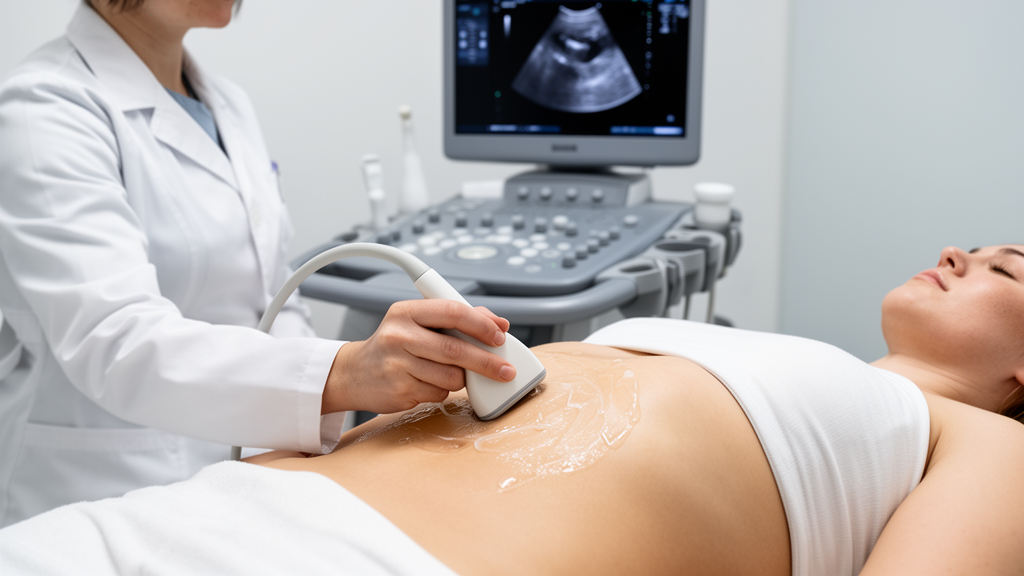
Hepatic steatosis begins to regress within months of bariatric surgery, according to a prospective single-center study published in BMC Medical Imaging.
Patients were examined before surgery and again at three and/or six months afterward. For the overall analysis, the earliest available postoperative examination served as the early follow-up. Steatosis was graded semiquantitatively on B-mode ultrasound (S0–S3) and with ATI-based grading (aS0–aS3), alongside body mass index (BMI), liver size, and absolute attenuation coefficient (AC) values. Most patients—75.2%—returned for the three-month scan, 51.7% for the six-month scan, and 26.9% attended both. The cohort had a mean age of 42.8 years and was 72% female.
The results showed consistent early improvement. BMI decreased in all patients by the early follow-up (p < 0.001). Hepatic steatosis grading improved in 56.2% of patients by B-mode ultrasound (p < 0.001) and in 68.5% by ATI grading (p < 0.001). Absolute ATI values fell in 94.4% of patients, and liver size decreased in the same proportion. Among the subgroup with both follow-up visits, the largest reductions in ATI values and liver size occurred at three months, indicating that much of the early change happens in the first postoperative quarter.
The two modalities tracked each other closely. At baseline, B-mode and ATI gradings were strongly correlated (Kendall’s tau-b = 0.73, p < 0.001), and changes in grading between visits were also strongly correlated (tau-c = 0.65, p < 0.001). The authors conclude that regression of hepatic steatosis occurs early after bariatric surgery and that ATI complements B-mode ultrasound by providing quantitative longitudinal assessment.
The findings address a recognized evidence gap. Metabolic dysfunction-associated steatotic liver disease (MASLD) is associated with increased liver-related morbidity, and while bariatric surgery produces substantial weight loss and metabolic improvement, data on ultrasound-based monitoring of liver fat after surgery have remained limited. By pairing the widely available semiquantitative B-mode assessment with a quantitative measure, the study suggests a practical imaging pathway for following liver fat changes over time, though it was a single-center study with incomplete follow-up attendance.
Subject of Research: Early postoperative regression of hepatic steatosis measured by B-mode ultrasound and attenuation imaging after bariatric surgery
Article Title: Early regression of hepatic steatosis after bariatric surgery assessed by ultrasound including attenuation imaging
Article References: Hoffmann, T., Wulff, D., Groß, S., Bajwa, B., Blumenstock, G., Mihaljevic, A., Malek, N., & Minn, L. (2026). Early regression of hepatic steatosis after bariatric surgery assessed by ultrasound including attenuation imaging. BMC Medical Imaging, 26(1), Article 549. https://doi.org/10.1186/s12880-026-02882-3
Image Credits: AI Generated
DOI: 10.1186/s12880-026-02882-3
Keywords: bariatric surgery, hepatic steatosis, MASLD, ultrasound, attenuation imaging, liver fat, BMI, prospective study, quantitative imaging, follow-up, Early, regression
News Source: Ophelia Keating. (October 29, 2026). Liver fat drops rapidly after bariatric surgery, ultrasound study shows. Scienmag.



