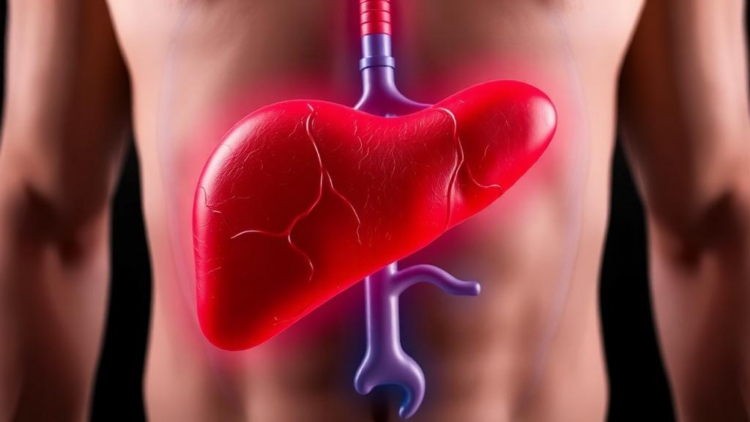
A drug already approved to treat a rare liver disease may hold an unexpected key to one of the most overlooked consequences of the obesity epidemic: male infertility. In a new mouse study published in Reproductive Sciences, researchers from The University of Hong Kong-Shenzhen Hospital, The University of Hong Kong, and The Chinese University of Hong Kong report that obeticholic acid, a potent synthetic activator of the farnesoid X receptor, improved sperm progressive motility in mice rendered metabolically ill by a high-fat diet. The findings point to a surprising triad of mechanisms, linking bile acid chemistry, immune regulation, and gut bacteria to the health of the male reproductive tract, and they raise the tantalizing possibility that a therapy designed for the liver could one day help men whose fertility has been eroded by metabolic disease.
Metabolic syndrome, the cluster of obesity, insulin resistance, dyslipidemia, and hypertension that now affects a substantial fraction of adults worldwide, has long been associated with impaired semen quality, altered sex hormone profiles, and increased sperm DNA fragmentation. Epidemiological and meta-analytic work has consistently documented poorer sperm parameters in men with metabolic dysfunction, yet clinical management of metabolic syndrome rarely considers fertility as an outcome, and no targeted therapy exists for the reproductive damage it causes. The research team, led by Yong-Gang Duan and Tao Zhang, set out to ask a question that has remained largely unaddressed: if you treat the metabolic disease itself with a modern metabolic drug, does male reproductive function recover as a consequence?
The drug at the center of the study, obeticholic acid, is a semisynthetic derivative of the natural bile acid chenodeoxycholic acid and one of the most selective agonists known for the farnesoid X receptor, or FXR, a nuclear receptor that acts as a master sensor of bile acid levels. FXR sits at the intersection of bile acid synthesis, lipid metabolism, glucose homeostasis, and immune signaling, and obeticholic acid has already been tested in large clinical trials for nonalcoholic steatohepatitis and approved for primary biliary cholangitis. Because bile acids and their receptor have previously been implicated in testicular development, germ cell fate, and sperm function in mice, the researchers reasoned that FXR activation might reshape the metabolic and inflammatory environment in which sperm mature.
To test this, the team induced metabolic syndrome in male mice by feeding them a high-fat diet for twelve weeks, a standard model that reliably produces obesity, dyslipidemia, and impaired spermatogenesis. The animals then received either obeticholic acid at a dose of 30 milligrams per kilogram or a vehicle control for five weeks. The researchers then measured a comprehensive panel of outcomes: sperm concentration and motility, the immune cell composition of the testis and epididymis, the bile acid profile in the intestine, the composition of the gut microbiota through 16S ribosomal RNA sequencing, and gene expression in the epididymis through RNA sequencing. The raw sequencing data were deposited in public repositories, and the targeted bile acid metabolomics data were archived with the China National Center for Bioinformation, allowing independent verification of the analysis.
The headline result concerned sperm movement. Mice treated with obeticholic acid showed significantly higher progressive motility, the fraction of sperm swimming purposefully in a straight line, which is one of the most clinically meaningful parameters in semen analysis because it reflects the capacity of sperm to reach and penetrate an egg. Progressive motility is particularly vulnerable to oxidative stress and inflammatory damage in the male reproductive tract, and its recovery in the treated animals suggests that the drug was not merely altering body composition but actively improving the functional quality of the sperm themselves. Supplementary analyses showed that the treatment did not significantly change body weight gain or the weights of the testis, epididymis, or epididymal fat, indicating that the reproductive benefit was not simply a byproduct of reduced obesity.
Perhaps the most striking mechanistic finding involved the immune landscape of the epididymis, the coiled duct where sperm complete their maturation and acquire motility. The treated mice had lower proportions of epididymal CD4-positive T helper 1 cells producing interferon-gamma, a pro-inflammatory T cell subset whose accumulation is a hallmark of chronic inflammatory tissue damage. The testis and epididymis are immunologically privileged sites, carefully balanced between tolerance to developing sperm, which express novel antigens after puberty, and defense against pathogens, and metabolic disease is known to tip this balance toward inflammation. By dampening the Th1 response in the epididymis, obeticholic acid appears to have restored a more favorable immune environment for sperm maturation. This immunomodulatory effect is consistent with emerging evidence that FXR signaling can antagonize macrophage-dependent licensing of effector T lymphocytes, a mechanism previously described in the context of sclerosing cholangitis.
The study also documented profound shifts in the gut, the third leg of the proposed mechanism. Obeticholic acid treatment changed the intestinal bile acid pool, altering the relative abundance of specific bile acid species, and simultaneously reshaped the composition of the gut microbiota, the community of bacteria that chemically modifies bile acids and, in turn, is regulated by them. Correlation analyses reported in the supplementary material linked fecal levels of individual bile acids, including lithocholic acid and muricholic acid species, to sperm progressive motility, suggesting that the bile acid signature itself may carry information about reproductive status. This work adds to a growing body of evidence for a gut-testis axis, in which gut-derived metabolites and immune signals influence spermatogenesis, and it echoes earlier findings from the same collaborative network showing that disrupted vitamin A metabolism along this axis contributes to impaired sperm production in metabolic syndrome models.
At the level of individual genes, the epididymal transcriptome revealed a specific molecular casualty of metabolic disease and a specific beneficiary of treatment. Expression of H2bc24, a histone H2B variant gene, was reduced in the high-fat diet mice but rose back to levels comparable with healthy controls after obeticholic acid administration. Histone variants are increasingly recognized as important players in spermatogenesis, where specialized histones must be precisely remodeled to package the paternal genome, and the recovery of this epididymal transcript suggests that the drug partially normalized the gene expression program of the sperm maturation environment. The authors are careful to frame these findings as associations, but the convergence of motility, immune, microbial, bile acid, and transcriptomic endpoints paints a coherent picture of multi-system rescue.
The translational implications are considerable, though the caveats are equally real. Obeticholic acid is a real drug with a known human safety profile, including dose-dependent pruritus and, at higher exposures, concerns about cardiovascular signals that have complicated its path in steatohepatitis trials, so any leap from mice to men would require dedicated reproductive safety and efficacy studies. The mouse model, while standard, cannot fully recapitulate human reproductive physiology, and the five-week treatment window in mice corresponds to roughly one spermatogenic cycle, a timeline that differs substantially between rodents and humans. Nevertheless, the study is the first to systematically test an FXR agonist as a therapy for metabolic syndrome-associated male infertility, and it reframes male reproductive health as a downstream beneficiary of metabolic and gut-targeted medicine rather than an isolated urological problem.
For the millions of men whose metabolic disease may be quietly compromising their fertility, the study offers a proof of concept that the damage may be pharmacologically reversible. It also adds male reproduction to the expanding list of FXR-regulated physiology, joining liver fibrosis, cholesterol homeostasis, and intestinal immunity. If future work confirms that bile acid signaling, Th1 inflammation, and the gut microbiota form a genuine causal pathway from metabolic dysfunction to poor sperm motility, obeticholic acid or related farnesoid X receptor modulators could open an entirely new therapeutic category, one in which treating the gut and the liver ultimately rescues the sperm.
Subject of Research: Effects of the farnesoid X receptor agonist obeticholic acid on male reproductive function in a mouse model of high-fat diet-induced metabolic syndrome
Article Title: Obeticholic Acid Rescues Male Reproductive Function in High-Fat Diet-Induced Metabolic Syndrome
Article References: Liu, J.-C., Zeng, Q., Li, D., Ma, T., Yeung, W. S., Zhang, T., & Duan, Y.-G. (2026). Obeticholic Acid Rescues Male Reproductive Function in High-Fat Diet-Induced Metabolic Syndrome. Reproductive Sciences. https://doi.org/10.1007/s43032-026-02180-x
Image Credits: AI Generated
DOI: 10.1007/s43032-026-02180-x
Keywords: obeticholic acid, farnesoid X receptor, metabolic syndrome, male infertility, sperm motility, bile acids, gut microbiota, epididymis, Th1 cells, high-fat diet, gut-testis axis, H2bc24
Cite Scienmag News
APA MLA Chicago
Morgan Morrow. (October 2, 2026). Liver Drug Shows Promise for Restoring Sperm Quality in Metabolic Syndrome. Scienmag. https://scienmag.com/liver-drug-shows-promise-for-restoring-sperm-quality-in-metabolic-syndrome/
Morgan Morrow. “Liver Drug Shows Promise for Restoring Sperm Quality in Metabolic Syndrome.” Scienmag, 2 October 2026, https://scienmag.com/liver-drug-shows-promise-for-restoring-sperm-quality-in-metabolic-syndrome/. Accessed 2 October 2026.
Morgan Morrow. “Liver Drug Shows Promise for Restoring Sperm Quality in Metabolic Syndrome.” Scienmag. October 2, 2026. https://scienmag.com/liver-drug-shows-promise-for-restoring-sperm-quality-in-metabolic-syndrome/
Copy citation Download RIS
Tags: advances in reproductive medicinebile acidsBile acids and sperm healthepididymisfarnesoid X receptorgut microbiotaGut-liver-reproductive axisgut-testis axisH2bc24high-fat dietHigh-fat diet effects on spermImmune regulation in reproductive healthmale infertilityMetabolic dysfunction and semen qualitymetabolic syndromeMetabolic syndrome and male infertilityObesity-related reproductive health issuesObeticholic acidObeticholic acid and liver disease treatmentPotential fertility therapies for metabolic syndromeRole of gut bacteria in male fertilitysperm motilitySynthetic farnesoid X receptor activatorsTh1 cells