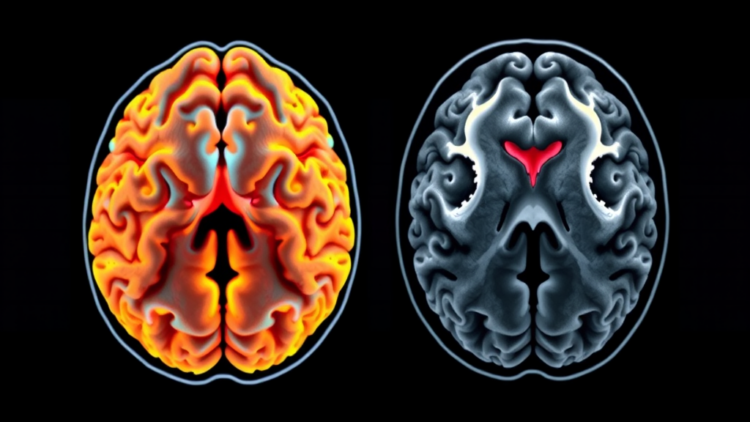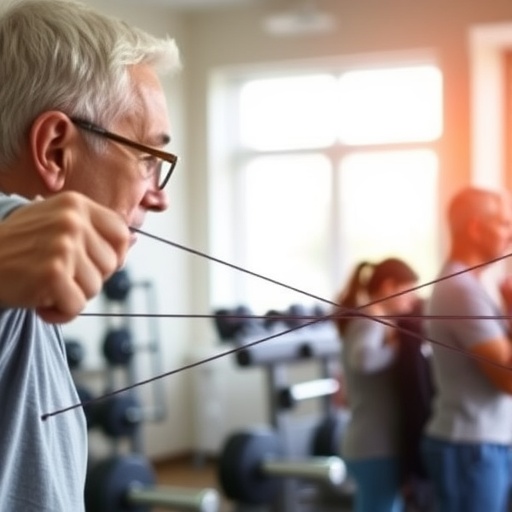
A groundbreaking study published in BMC Geriatrics has shed new light on the interconnections between physical and cognitive health in older adults. Conducted in rural China, this longitudinal research explores how handgrip strength and gait speed interact with cognitive function over time. The focus on these specific physical metrics presents a novel approach to understanding aging and offers valuable insights for enhancing the quality of life in elderly populations.
Handgrip strength, a commonly used measure of overall muscle strength, has often been overlooked in discussions surrounding cognitive health. However, recent investigations suggest that it may play a critical role in an individual’s cognitive well-being. The research by Li, Jiang, and Chen amplifies this assertion by examining how changes in one aspect of physical health cede influence over cognitive functions, thus challenging previous assumptions that cognitive decline happens in isolation.
Moreover, gait speed serves as a key indicator of mobility and overall physical performance. As individuals age, the risk of decreased mobility often coincides with cognitive impairment. By triangulating these elements—handgrip strength, gait speed, and cognitive function—the authors set the stage for more comprehensive assessments of elderly health. The intimate relationship among these factors implies that enhancing one area could potentially offset declines in another, hence providing a pathway to more effective interventions.
The methodology employed in this longitudinal study is particularly noteworthy. By following a cohort over time, the researchers were able to capture not just static data points but the dynamic changes that occur with aging. This approach is crucial, as it enables a clearer understanding of cause-and-effect relationships—indicating not just correlation but plausible causation between the examined health facets.
Participants in the study were rigorously chosen from rural communities in China, reflecting a demographic that is often underrepresented in aging studies. These individuals, often with limited access to healthcare, may experience unique challenges that differ significantly from their urban counterparts. Thus, findings from this demographic can illuminate the role of environmental and geographical factors in health outcomes, thereby contributing to a more nuanced view of aging.
The implications of the study extend beyond individual health metrics. They denote broader public health concerns surrounding aging populations, especially in light of global demographic shifts. As societies grapple with an increasing number of elderly individuals, understanding how to maintain not just physical strength but also cognitive abilities becomes ever more pressing. This research lends credence to the notion that targeted interventions can make a difference, and it provides a scientific basis for promoting physical activity and strength training among older adults to combat cognitive decline.
Interestingly, one of the more surprising findings was the bidirectional nature of the associations noted in the study. It appears that while deterioration in one facet could contribute to declines in another, improvements in physical strength or mobility (such as handgrip or gait speed) could lead to enhanced cognitive function. This cyclical relationship gives rise to a critical question: can targeted physical interventions help stave off cognitive decline and delay the onset of conditions like dementia?
Furthermore, the researchers emphasize the need for an integrated approach to eldercare that encompasses both physical and cognitive health. This dovetails with contemporary discussions surrounding holistic health models in gerontology, indicating that multifactorial strategies could lead to better long-term outcomes for older populations.
Readily accessible forms of exercise—such as resistance training or balance exercises aimed at improving gait speed—could play a pivotal role in sustaining cognitive performance. Strategies like community exercise programs may not only boost handgrip strength and mobility but also promote social interaction, which is increasingly recognized as important for mental health as we age.
Additionally, this study raises questions about public health policies. What are the responsibilities of governments to provide access to facilities and opportunities for the elderly to engage in physical activity? If handgrip strength and gait speed are proven pivot points for cognitive health, interventions must become a priority. Policymakers should reevaluate resource allocation to ensure that older adults have the opportunity to maintain their physical capabilities.
In summary, the findings from this pivotal study highlight the intricate relationships that exist among key health metrics as we age. By illustrating the interconnectedness of handgrip strength, gait speed, and cognitive function, the authors contribute invaluable insights that can inform future research and public health strategies aimed at enhancing the quality of life for older adults. The message is clear: investing in the physical health of aging populations holds significant potential for preserving cognitive function, thereby improving overall well-being.
The implications of these findings transcend medical communities, calling on societies to prioritize elder health. Enhanced awareness can empower families, caregivers, and community organizations to facilitate active and engaged lifestyles for seniors. As the world navigates the aging population landscape, research rooted in practical applications will be paramount.
Moreover, with additional studies and longitudinal analysis, future researchers will be better equipped to further investigate this multidimensional interaction. Integrating data on mood, lifestyle, and environmental factors could provide a more comprehensive understanding of aging and cognition. In this pursuit, the findings of Li, Jiang, and Chen will undoubtedly serve as a foundation upon which further discoveries can be built.
As we embark on the era of longevity, the importance of strengthening the nexus between physical and cognitive health cannot be overstated. Inspired by this research, healthcare practitioners are urged to advocate for older adults, fostering environments where physical vitality supports mental acuity. Together, we can create a world where the golden years are marked not by decline, but by ongoing growth, learning, and engagement with life’s many offerings.
Subject of Research: The interconnections among handgrip strength, gait speed, and cognitive function in older adults.
Article Title: Bidirectional associations among handgrip strength, gait speed, and cognitive function in older adults: a longitudinal study in rural China.
Article References:
Li, Q., Jiang, Z., Chen, H. et al. Bidirectional associations among handgrip strength, gait speed, and cognitive function in older adults: a longitudinal study in rural China. BMC Geriatr 25, 787 (2025). https://doi.org/10.1186/s12877-025-06466-8
Image Credits: AI Generated
DOI: 10.1186/s12877-025-06466-8
Keywords: Aging, Handgrip Strength, Gait Speed, Cognitive Function, Elderly Health, Longitudinal Study, Rural China.
Tags: comprehensive assessments of senior healthelderly populations and cognitive declineenhancing quality of life in older adultsgait speed and aginghandgrip strength and cognitive healthimplications for improving elderly careinterconnections of mobility and cognitionLinking physical health and cognitive function in seniorslongitudinal study on elderly healthmuscle strength and cognitive well-beingphysical metrics in geriatric researchrural China aging study