• HOME
  • NEWS
  • EXPLORE
    • CAREER
      • Companies
      • Jobs
    • EVENTS
    • iGEM
      • News
      • Team
    • PHOTOS
    • VIDEO
    • WIKI
  • BLOG
  • COMMUNITY
    • FACEBOOK
    • INSTAGRAM
    • TWITTER
Monday, October 5, 2026
BIOENGINEER.ORG
No Result
View All Result
  • Login
  • HOME
  • NEWS
  • EXPLORE
    • CAREER
      • Companies
      • Jobs
        • Lecturer
        • PhD Studentship
        • Postdoc
        • Research Assistant
    • EVENTS
    • iGEM
      • News
      • Team
    • PHOTOS
    • VIDEO
    • WIKI
  • BLOG
  • COMMUNITY
    • FACEBOOK
    • INSTAGRAM
    • TWITTER
No Result
View All Result
Bioengineer.org
No Result
View All Result
Home NEWS Science News Health

Light exposure in the evening improves performance in the final spurt

Bioengineer by Bioengineer
February 11, 2018
in Health
Reading Time: 2 mins read
0
Share on FacebookShare on TwitterShare on LinkedinShare on RedditShare on Telegram
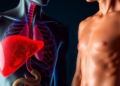
IMAGE

Credit: University of Basel, Department of Sport, Exercise and Health

Athletes often have to compete late in the evening, when they are no longer able to perform at their best. As reported in the journal Frontiers in Physiology, however, researchers from the University of Basel have shown that athletes who are exposed to blue light before competing can significantly increase their performance in the final spurt. The blue light had no impact on the athletes' maximum performance.

Many sports events take place late in the evening, during television prime time. At this time of day, however, many athletes often fail to perform at their best due to their sleep-wake cycle. In a study headed by Professor Arno Schmidt-Trucksäss, Raphael Knaier and colleagues at the University of Basel investigated whether light exposure before a cycling time trial can compensate for this disadvantage. The Sports and Exercise Medicine division, as well as Professor Christian Cajochen at the Centre for Chronobiology, took part in this extensive investigation involving 74 young male athletes.

It is well known that blue light reduces the production of the sleep hormone melatonin. The researchers tested the hypothesis that this suppression of melatonin could improve an athlete's endurance during a 12-minute cycling time trial. They randomly divided the participants into three groups and exposed them to either bright light, blue monochromatic light or control light for an hour. This light exposure was immediately followed by the performance test on the bicycle ergometer.

Bright light is less effective

Exposure to blue light significantly improved the athletes' ability to increase their performance during the final spurt of the time trial. This increase was defined as the ratio of the performance measured in the first minute to that of the last minute of the test. The subjects' improved performance in the final spurt also correlated with the amount of blue light. This light was able to effectively suppress the melatonin and thus influence the athletes' sleep-wake cycle.

Compared to the control light, bright light led to a small increase in overall performance, but the difference was not significant. "Since even minor differences are relevant in top-level sport, however, this should be investigated more closely in further studies," commented Professor Schmidt-Trucksäss.

###

Media Contact

Professor Arno Schmidt-Trucksäss
[email protected]
0041-612-074-741
@UniBasel_en

http://www.unibas.ch/

Related Journal Article

http://dx.doi.org/10.3389/fphys.2017.00264
Share12Tweet7Share2ShareShareShare1

Related Posts

AI Reveals That What Predicts Death From Fatty Liver Disease Differs Sharply Between Women and Men

AI Reveals That What Predicts Death From Fatty Liver Disease Differs Sharply Between Women and Men

October 5, 2026
Seven Silent Years: When Bronchiectasis Foreshadows a Deadly Autoimmune Disease

Seven Silent Years: When Bronchiectasis Foreshadows a Deadly Autoimmune Disease

October 5, 2026

When Guidelines Collide, Doctors Must Choose: Prioritisation Is a Treatment in Its Own Right

October 5, 2026

Half of Medicaid Patients Abandon Weight-Loss Drugs Within Months, Landmark Study Finds

October 5, 2026
Please login to join discussion

POPULAR NEWS

  • Alloys That Shrink Their Own Grains: New PIX Mechanism Refines Metals With Heat Alone

    Alloys That Shrink Their Own Grains: New PIX Mechanism Refines Metals With Heat Alone

    29 shares
    Share 12 Tweet 7
  • Endurance Exercise Reshapes the Liver in Males and Females Through Distinct Molecular Routes

    29 shares
    Share 12 Tweet 7
  • Single Transcription Factor PU.1 Rapidly Converts Fibroblasts into Macrophage-Lineage Cells

    29 shares
    Share 12 Tweet 7
  • New Scale Measures How Ready Nurse Educators Really Are for the AI Era

    29 shares
    Share 12 Tweet 7

About

We bring you the latest biotechnology news from best research centers and universities around the world. Check our website.

Follow us

Recent News

Alloys That Shrink Their Own Grains: New PIX Mechanism Refines Metals With Heat Alone

Endurance Exercise Reshapes the Liver in Males and Females Through Distinct Molecular Routes

Single Transcription Factor PU.1 Rapidly Converts Fibroblasts into Macrophage-Lineage Cells

Subscribe to Blog via Email

Success! An email was just sent to confirm your subscription. Please find the email now and click 'Confirm' to start subscribing.

Join 85 other subscribers
  • Contact Us

Bioengineer.org © Copyright 2023 All Rights Reserved.

Welcome Back!

Login to your account below

Forgotten Password?

Retrieve your password

Please enter your username or email address to reset your password.

Log In
No Result
View All Result
  • Homepages
    • Home Page 1
    • Home Page 2
  • News
  • National
  • Business
  • Health
  • Lifestyle
  • Science

Bioengineer.org © Copyright 2023 All Rights Reserved.