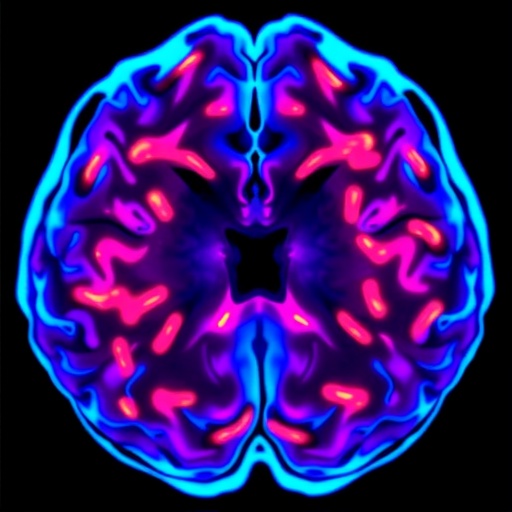
In a groundbreaking study that challenges long-standing assumptions about Parkinson’s disease (PD) pathology, researchers have reported a surprising scarcity of Lewy pathology in the prefrontal cortex of patients undergoing deep brain stimulation (DBS). This revelation dramatically shifts our understanding of the disease’s neuroanatomical spread and could have profound implications for therapeutic approaches, particularly those aimed at cognitive symptoms linked to prefrontal cortical dysfunction. For decades, Lewy bodies—intracellular aggregates primarily composed of misfolded alpha-synuclein—have been regarded as a hallmark lesion of Parkinson’s disease, heavily implicated in the progressive neurodegeneration characteristic of the disorder. The new findings reveal a more complex and nuanced distribution of Lewy pathology than previously appreciated.
The investigation focused extensively on postmortem analysis of brain tissue from Parkinson’s patients who had undergone DBS, a surgical intervention commonly employed in managing motor symptoms refractory to medication. While deep brain stimulation targets subcortical structures such as the subthalamic nucleus or the globus pallidus internus to alleviate tremor, rigidity, and bradykinesia, its effects on cortical pathology had remained ambiguous. Researchers meticulously examined multiple regions of the prefrontal cortex, an area pivotal for executive functions, working memory, and decision-making, which are often impaired in PD. Contrary to the prevailing dogma, the researchers observed that Lewy-related pathology was “largely absent” in these prefrontal regions, suggesting a more limited cortical involvement in DBS-treated individuals.
The clinical significance of this discovery lies in the evolving understanding of cognitive impairment in Parkinson’s. Cognitive decline and dementia represent some of the most debilitating aspects of the disease, yet their neuropathological underpinnings have remained elusive. Traditional models have proposed a widespread cortical spread of Lewy bodies as a primary driver of cognitive symptoms. However, this study implies that other mechanisms or pathologies may be responsible for the cognitive decline observed in some PD patients, especially those undergoing neuromodulatory interventions like DBS. This divergence demands a reassessment of how clinicians and researchers approach the non-motor manifestations of Parkinson’s disease.
From a methodological perspective, the research combined advanced immunohistochemical techniques with rigorous neuropathological staging to ensure precise detection of Lewy pathology. Antibodies targeting phosphorylated alpha-synuclein allowed for the visualization of Lewy bodies and neurites with exceptional specificity. Quantitative assessment across different Brodmann areas of the prefrontal cortex provided reliable regional profiles of pathological involvement. Their approach also controlled for confounding factors such as disease duration, medication status, and DBS parameters, thus reinforcing the robustness of the findings.
Interestingly, the absence of Lewy pathology in areas conventionally implicated in executive dysfunction raises the possibility that deep brain stimulation itself may influence the local neuropathological landscape. Whether DBS exerts neuroprotective effects that limit alpha-synuclein aggregation in cortical circuits or whether patients selected for DBS inherently possess distinct pathological phenotypes remains an open question. Future longitudinal studies, potentially including in vivo imaging biomarkers and fluid analyses, could elucidate the temporal dynamics of Lewy pathology in relation to DBS treatment timelines.
This paradigm shift aligns with accumulating evidence suggesting Parkinson’s disease is a heterogeneous syndrome rather than a monolithic entity. Although alpha-synuclein aggregation remains a centerpiece of PD pathology, the distribution, burden, and clinical relevance of Lewy bodies can vary widely between patients. The findings underscore the need for stratified medicine approaches that tailor therapeutic interventions not only to motor symptoms but also to the individualized pathological and clinical phenotypes seen in Parkinson’s disease.
Biochemically, this study calls attention to alternative pathological pathways that might underlie cognitive decline in PD. Tauopathies, amyloid deposition, vascular changes, or neuroinflammatory cascades might contribute more substantially to prefrontal cortical dysfunction than Lewy pathology in some patients. Recognizing these diverse contributors could open new avenues for multimodal diagnostic and therapeutic strategies, integrating biomarker profiles with clinical phenotyping to optimize treatment outcomes.
At a molecular level, the study enhances our understanding of alpha-synuclein’s pathogenic role and encourages reevaluation of its spatial propagation throughout PD. It hints that the widespread cortical Lewy pathology described in classical staging systems (such as Braak staging) may not be a universal feature, especially among patients receiving advanced therapies. This challenges the implementational scope of neuropathological criteria used for diagnosis and prognosis and urges for refined classification schemes that acknowledge such heterogeneity.
The implications extend beyond fundamental neuroscience and clinical neurology into the realm of therapeutic development. Pharmaceutical pipelines targeting alpha-synuclein aggregation could benefit from stratifying trial participants based on the cortical distribution of pathology, as this might influence treatment responsiveness. Furthermore, the functional integrity of prefrontal circuits in DBS-treated patients may differ substantially, necessitating tailored cognitive rehabilitation protocols and monitoring regimens.
Equally significant is the potential impact this research may have on clinical decision-making regarding deep brain stimulation candidacy. Understanding the pathological substrate in DBS recipients can inform expectations about cognitive outcomes and help balance the risks and benefits of surgery. If DBS patients consistently show less cortical Lewy pathology, this might correlate with more preserved cognitive function or modified disease phenotypes, a hypothesis ripe for further clinical studies.
The collective findings invigorate the discourse around the pathophysiology of Parkinson’s disease, invigorating efforts to identify biomarkers predictive of individual pathology patterns. Early detection tools capable of differentiating cortical involvement could revolutionize patient stratification and therapeutic timing, optimizing neuroprotective interventions before irreversible damage ensues.
While the current study focuses on the prefrontal cortex, it calls for broader examinations of other cortical and subcortical structures across different PD subtypes. Comparative analyses with non-DBS Parkinson’s cohorts and Parkinson’s dementia groups could clarify whether the absence of Lewy pathology in the prefrontal cortex is exclusive to DBS patients or reflects wider disease variability. Such comparative neuropathological mapping will be pivotal in deciphering disease mechanisms.
Ultimately, this research heralds a pivotal moment in Parkinson’s disease research, urging the scientific community to rethink entrenched models of Lewy pathology dissemination. The interplay between neuromodulation, pathology, and cognition emerges as a fertile ground for innovation in both basic science and clinical therapeutics. As the field moves forward, integrating these insights will be essential for unlocking new strategies to combat the multifaceted challenges PD presents to patients and their families.
This transformative study, published in npj Parkinson’s Disease, provides a compelling invitation to the neuroscience community to explore new directions in understanding and managing Parkinson’s disease. By illuminating uncharted aspects of cortical pathology in DBS-treated individuals, it charts a course toward more precise, effective, and personalized interventions in this complex neurodegenerative disorder.
Subject of Research: Distribution of Lewy pathology in the prefrontal cortex of Parkinson’s disease patients undergoing deep brain stimulation.
Article Title: Lewy pathology largely absent in prefrontal cortices of Parkinson’s disease patients undergoing deep brain stimulation.
Article References:
Buxbaum Grice, A.S., Kopell, B.H., Laborc, K.F. et al. Lewy pathology largely absent in prefrontal cortices of Parkinson’s disease patients undergoing deep brain stimulation. npj Parkinsons Dis. 12, 152 (2026). https://doi.org/10.1038/s41531-026-01422-8
Image Credits: AI Generated
DOI: https://doi.org/10.1038/s41531-026-01422-8