


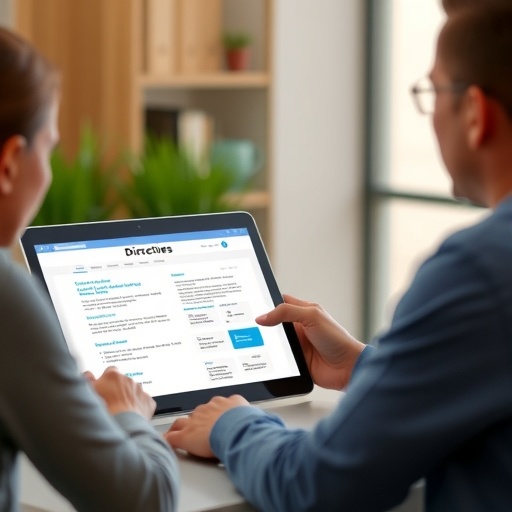
In an inspiring advancement in healthcare technology, researchers have turned their focus to the integration of electronic health records (EHRs) with the ongoing need for collecting vital patient information—specifically advance directives and surrogate specifications. The study conducted by Chirra, Manteuffel, Runnels, and their team highlights how electronic health record patient portals can function as a crucial tool in streamlining this critical aspect of patient care. The findings reveal a significant gap in traditional methods of documentation and communication regarding patients’ preferences for medical care in advance, particularly in emergencies or critical health scenarios.
The essence of advance directives lies in their function; they articulate patients’ wishes regarding medical treatment when they may not be able to communicate these wishes themselves. Traditionally, the documentation and storage of these directives have been a cumbersome task. Many patients find it challenging to discuss such matters, often postponing or entirely avoiding the conversation until it’s too late. This study marks an important step forward, addressing these challenges by leveraging technology to enhance the patient experience. By utilizing EHR patient portals, healthcare providers can foster a more proactive approach to advance care planning.
In this groundbreaking research, the authors examined how effectively integrated EHR systems can be utilized to collect advance directives and surrogate specifications from patients. They argued that conventional documentation methods, which often involve pen and paper, coupled with the fragmented nature of healthcare communication, can lead to incomplete patient records that may not reflect a patient’s true wishes. EHR patient portals offer a solution by creating a centralized location where patients can easily update their information at any time, thereby ensuring their healthcare decisions are known and accessible when necessary.
The study involved an extensive survey of existing patient portal technologies, assessing their current capabilities to support advance care planning. This deep dive into EHR technology revealed both possibilities and limitations. On one hand, the user-friendly interfaces of modern patient portals can empower patients to document their advance directives with ease. On the other hand, several challenges exist, primarily related to user engagement and understanding how to navigate these platforms effectively.
Patient education is deemed critical in this context. Many patients, especially older adults and those not well-versed in technology, might struggle to utilize EHR platforms fully. Therefore, the need for comprehensive training and support emerged as a crucial component of patient engagement strategies. This encompasses not only how to access and use patient portals but also understanding the importance of advance directives, which can be a complex subject. The researchers emphasized the role of healthcare providers in facilitating discussions around these sensitive topics, guiding patients through both the emotional and technical aspects of the process.
Additionally, the research underscored the necessity of systemic changes in how healthcare institutions view advance care planning. For typical health records, the inclusion of advance directives is frequently overlooked or inadequately prioritized. This study advocated for a paradigm shift where documenting patients’ advance care preferences becomes as routine as recording vital signs. EHR systems, therefore, should evolve to incorporate prompts and alerts that remind healthcare providers and patients alike of the importance of maintaining current advance directives and surrogate specifications.
As part of this investigation, the authors also identified potential avenues for improving participation in advance care planning through EHR portals. Ideas included developing automated reminders, offering personalized assistance, and simplifying the language used in the documents to make them more accessible to a broader audience. Such steps could assist in closing the gap that currently exists in frequently updated and easily accessible advance directives.
The shift towards digital solutions in healthcare is undoubtedly transforming how patients engage with their health information. For patients in underrepresented communities, it can help reduce disparities in access to care and knowledge. This research signals a significant opportunity for EHRs to facilitate more equitable healthcare environments by ensuring that all patients, irrespective of background, can articulate and document their health care preferences meaningfully.
In light of these findings, healthcare organizations are encouraged to prioritize investments in patient portal technologies that support advance care planning. The impact of such initiatives could be profound, radically changing how patients’ preferences are integrated into their care. By marrying the power of technology with patient-centered care, we have an opportunity to revolutionize how healthcare systems respond to the wishes of their patients, even in the most challenging circumstances.
Overall, this research lays a robust foundation for future studies aimed at enhancing advance care planning through technological innovations. By fostering an environment where patients’ treatment preferences are regularly updated and systematically considered, healthcare providers can work towards a model of care that is not only reactive but genuinely aligned with the values and desires of those they serve.
As the journey to integrate EHRs with advance directives continues, collaborative efforts among healthcare professionals, technologists, and patients will be pivotal. The hope is that through these alliances, the healthcare system can evolve into one that prioritizes patient autonomy and respects individual wishes, transforming the narrative around advance care planning once and for all.
Subject of Research: Integration of Electronic Health Records in Advance Directive and Surrogate Specification Collection
Article Title: Using the Electronic Health Record Patient Portal to Collect Advance Directives and Surrogate Specification
Article References:
Chirra, A.R., Manteuffel, S., Runnels, T. et al. Using the Electronic Health Record Patient Portal to Collect Advance Directives and Surrogate Specification.
J GEN INTERN MED (2026). https://doi.org/10.1007/s11606-025-10165-w
Image Credits: AI Generated
DOI: https://doi.org/10.1007/s11606-025-10165-w
Keywords: Electronic Health Records, Advance Directives, Patient Portals, Surrogate Specification, Healthcare Technology, Patient Engagement, Advance Care Planning
Tags: advance care planning toolschallenges in documenting advance directivesEHR patient portals for advance directiveselectronic health records integrationenhancing patient experience in healthcarehealthcare technology advancementsimproving patient communication about directivespatient information collection technologyproactive approaches to advance directivesstreamlining medical care preferencessurrogates specifications in healthcaretraditional vs modern documentation methods



