Perinatal care has traditionally focused on symptoms, screenings, and maternal–infant outcomes—but a growing body of work is now highlighting a different kind of risk: legal need that can directly harm health. In a new study published in Journal of Perinatology, researchers examined how a perinatal medical-legal partnership (MLP) identifies and addresses problems rooted in policy, housing, employment, and family law.
The study describes an MLP model in which healthcare teams and legal professionals operate as a coordinated unit. Rather than treating legal issues as “non-medical,” clinicians help families disclose stressors during pregnancy and the postpartum period, while lawyers evaluate how those issues can translate into clinical vulnerability—through chronic stress, disrupted access to care, unsafe living conditions, and instability that undermines recovery.
Investigators report that the most health-harming legal needs clustered around practical determinants of health. Families frequently faced barriers tied to housing and utilities, including threats of eviction and unsafe or unsuitable accommodation. Such problems can intensify exposure to hazards and reduce the ability to store medications, maintain hygiene, or attend follow-up appointments consistently.
Work-related legal conflicts also emerged as a major category. When caregivers encounter unlawful workplace practices or lack protection for leave and accommodations, the resulting financial pressure can lead to delayed prenatal care, skipped appointments, or difficulty adhering to postpartum recovery plans.
The researchers also highlight legal needs affecting family stability and safety. Issues in parenting arrangements and domestic contexts were linked to stress and, potentially, direct threats to wellbeing. In an MLP setting, addressing these concerns was framed as part of safeguarding maternal mental health and the conditions required for safe infant care.
Notably, the perinatal timing of these interventions matters. Pregnancy and the early postpartum period represent windows when healthcare encounters are frequent, enabling earlier identification of legal harms before they compound into measurable health deterioration.
Overall, the findings argue for integrating legal services into maternal health pathways, presenting the MLP as a technical and operational bridge between clinical decision-making and structural risk management.
By translating legal problems into health-relevant outcomes, the perinatal MLP approach reframes law as a determinant of health—suggesting that better maternal–infant care may require not only treatment, but also remedy.
Subject of Research: Perinatal medical-legal partnerships and health-harming legal needs
Article Title: Health-harming legal needs in a perinatal medical-legal partnership.
Article References: Gievers, L., Mutrie, L., Haynes, B. et al. Health-harming legal needs in a perinatal medical-legal partnership. J Perinatol (2026). https://doi.org/10.1038/s41372-026-02814-7
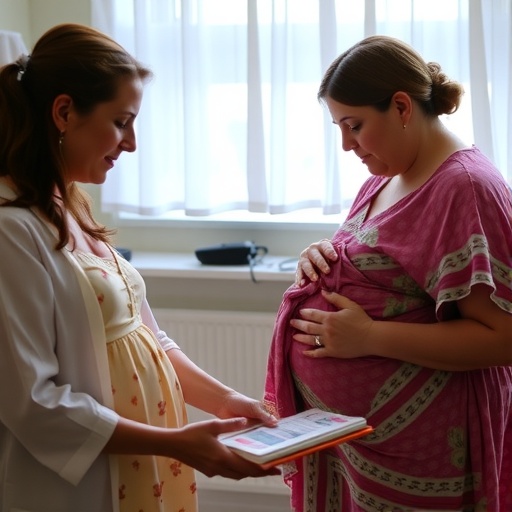
Image Credits: AI Generated
DOI: 10.1038/s41372-026-02814-7
Keywords:
Tags: addressing social determinants through medical-legal modelsemployment law and postpartum healthhealthcare and legal collaboration for maternal supporthousing insecurity and pregnancy outcomesimpact of housing instability on prenatal carelegal barriers to maternal healthlegal interventions to improve perinatal healthlegal needs assessment in perinatal populationsmedical-legal partnership in perinatal careperinatal legal-health riskssocial determinants of health in pregnancyworkplace legal issues affecting maternal well-being