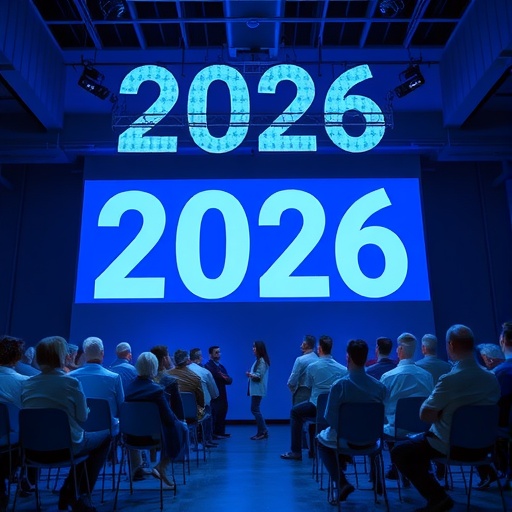
In an inspiring convergence of scientific minds and industry leaders, the 2026 Accelerating Cancer Cures (ACC) Research Symposium took place on Tuesday, March 24, hosted by Amgen in Cambridge, Massachusetts. This annual event, orchestrated by the Damon Runyon Cancer Research Foundation, serves as a critical platform for fostering collaboration between pioneering cancer researchers from academic institutions and pharmaceutical giants. The symposium’s goal is clear: to hasten the translation of groundbreaking scientific discoveries into life-saving diagnostic tools and novel therapeutic interventions.
The ACC initiative, established in 2011, represents a multi-million-dollar commitment uniting some of the most influential players in cancer research and drug development. Industry partners span a formidable roster, including AbbVie, Amgen, ARIAD, Celgene, Eli Lilly and Company, Genentech, Gilead, Merck, Novartis, Pfizer, and Takeda Pharmaceuticals. This unique partnership underlines the intensified focus on collaborative innovation necessary to combat cancer’s complex molecular and clinical landscape. The synthesis of academic insight with the drug discovery prowess of industry exemplifies a new paradigm in oncology research.
Opening the symposium, Damon Runyon President and CEO Yung S. Lie, PhD, alongside Damon Runyon Board member and BioNTech’s President of Research and Development Richard B. Gaynor, MD, and Amgen’s Executive Vice President of Research and Development James Bradner, MD, set an ambitious tone. Dr. Bradner, himself an alumnus of the Damon Runyon-Rachleff Innovator program, famously dubbed Damon Runyon a “triple-A team,” emphasizing how the foundation nurtures some of the most courageous and innovative scientific talents entering the biopharmaceutical sector.
The symposium featured several cutting-edge presentations from Damon Runyon-supported scientists, who are delving into the intricacies of cancer genomics and gene expression regulation. Mark Yarmarkovich, PhD, Lucas Farnung, PhD, Mary M. Mullen, MD, and Ziyang Zhang, PhD, each shared advances that aim to delineate the molecular signatures of various cancers to design highly precise, targeted therapies. Their work exemplifies the shift from broad-spectrum chemotherapeutics to tailored interventions that exploit tumor-specific vulnerabilities.
A keynote address delivered by Anna Farago, MD, PhD, Vice President of Early Development in Oncology at Amgen, and Julie Bailis, PhD, a former Damon Runyon Fellow and current Vice President of Oncology Research at Amgen, underscored the essential dialogue between preclinical data and clinical trial findings. Dr. Bailis articulated the tremendous value of iterative feedback loops between bench and bedside, a relationship imperative for refining therapeutic candidates and accelerating their journey through development pipelines.
Further illuminating the challenging landscape of difficult-to-treat malignancies, Damon Runyon investigators Megan A. Morrissey, PhD, Srivatsan Raghavan, MD, PhD, and Jonathan Chou, MD, PhD, discussed innovative approaches in combatting refractory cancers, including pancreatic adenocarcinoma. These types of malignancies, notorious for their resistance to conventional therapies and poor prognosis, demand novel therapeutic paradigms informed by deep mechanistic insights, such as targeting tumor microenvironmental factors or exploiting unique metabolic dependencies.
The afternoon session’s fireside chat, expertly moderated by Catherine Sabatos-Peyton, PhD, CEO of Larkspur Biosciences, brought together top translational oncology leaders—Jennifer Lauchte, MD (Novartis), Alex R. Shoemaker, PhD (AbbVie), and Louis Vermeulen, MD, PhD (Genentech). Their candid discussion highlighted the mechanics of successful collaboration in the drug development arena. Dr. Lauchte stressed the necessity of integrating multidisciplinary teams encompassing clinical trialists, molecular biologists, and medicinal chemists to generate comprehensive insights, avoiding siloed approaches that impede progress.
This symposium exemplifies the tangible benefits when academia and industry synchronize efforts to tackle cancer’s complexity. Dr. Lie and Margaret Faul, PhD, Vice President of Drug Substance Technologies and Site Head of Amgen Massachusetts, concluded the day by emphasizing the value of cross-disciplinary collaboration, noting that the Accelerating Cancer Cures initiative models how such partnerships can spur innovative therapeutic breakthroughs.
The ACC program’s strategy is rooted in empowering early-career clinical investigators by providing them with the funding and collaborative networks necessary to pursue high-risk, high-reward translational research. The iterative, bidirectional communication fostered between scientists, clinicians, and industry experts accelerates the identification of actionable biomarkers, validation of therapeutic targets, and the optimization of drug candidates. The promise of this synergy lies in shortening the timeline from scientific discovery to effective patient treatment.
Underlying the discussions at the symposium is an appreciation for the genomic and proteomic heterogeneity that defines malignancies. The presentations underscored the importance of leveraging next-generation sequencing technologies, CRISPR-based functional genomics, and sophisticated computational biology tools to unravel cancer’s molecular complexity. Such approaches enable the development of precision oncology strategies that account for tumor evolution, microenvironmental influences, and immune evasion mechanisms.
Moreover, the symposium shed light on the growing trend of integrating novel modalities, including bispecific antibodies, cell therapies, and targeted protein degraders in cancer therapeutics. These modalities, often emerging from deep academic research programs, require robust translational frameworks to ensure their effective clinical application. The ACC consortium’s commitment to facilitating these translational bridges is vital for capitalizing on these groundbreaking modalities.
In summary, the 2026 Accelerating Cancer Cures Research Symposium not only highlighted the impressive scientific advances driven by Damon Runyon scientists but also exemplified the power of collaborative ecosystems that unite academic ingenuity with industrial development capacity. With relentless dedication and strategic partnerships, the ambitions to transform cancer from a fatal diagnosis into a manageable condition have never been closer to fruition. This event stands as a beacon of hope and an illustration of how concerted collective efforts can accelerate the delivery of transformative cancer therapies to patients worldwide.
Subject of Research: Translational cancer research focused on accelerating discovery and development of targeted therapies through collaboration between academia and industry.
Article Title: Accelerating Cancer Cures: The 2026 Damon Runyon Symposium Sparks Dynamic Innovation in Oncology Therapeutics
News Publication Date: March 24, 2026
Web References:
– https://www.damonrunyon.org/
– https://www.amgen.com/
– https://www.novartis.com/
– https://www.genentech.com/
– https://www.abbvie.com/
Keywords: cancer genomics, targeted therapies, translational research, clinical innovation, collaboration, Damon Runyon, Accelerating Cancer Cures, oncology, pharmaceutical industry, molecular oncology, precision medicine, drug development
Tags: academic and pharmaceutical partnershipsAccelerating Cancer Cures symposium 2026Amgen Cambridge cancer eventcancer diagnostic tools advancementcancer molecular and clinical researchcancer research collaborationcancer treatment advancements 2026clinical cancer investigatorscollaboration in cancer drug developmentcutting-edge cancer therapiesDamon Runyon Cancer Research Foundationmulti-million-dollar cancer research fundingmulti-sector cancer researchnovel cancer therapies developmentoncology drug development partnershiponcology drug discovery innovationoncology innovation partnershippharmaceutical industry leaders in oncologypharmaceutical industry oncology collaborationtranslational cancer researchtranslational cancer science