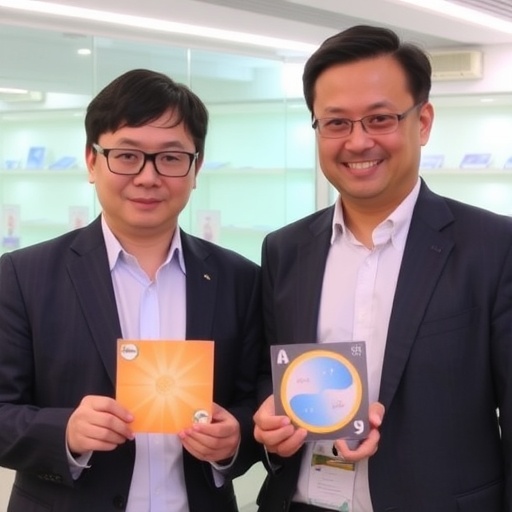
Kogakuin University in Japan and IIT (ISM) Dhanbad in India have launched a joint research initiative aimed at advancing next-generation multifunctional glass-ceramic materials for energy technologies. The program focuses on uncovering how structure governs function in sodium-ion conductive systems, with the goal of accelerating progress toward safer and more efficient energy devices.
The collaboration unites Prof. Toshinori Okura and Santosh Miryala from Kogakuin University with Prof. Kaushal Kumar from IIT (ISM) Dhanbad. Together, the teams will investigate Narpsio-V glass-ceramics, a promising class of materials commonly described as sodium-ion superionic conductors.
Narpsio-V systems are attracting intense interest because they combine high ionic conductivity with strong chemical stability—two properties that are essential for practical solid electrolytes. Their glass-ceramic architecture also offers the opportunity to tune phase formation and transport pathways during processing.
A central theme of the research is to deepen understanding of structural and microstructural evolution as materials transition from glassy precursors to functional crystalline phases embedded within an amorphous matrix. This evolution is expected to directly influence sodium-ion mobility and long-term performance under operating conditions.
The joint work will integrate experimental investigations across multiple length scales, from compositional and phase analysis to microstructural characterization that probes grain-scale features relevant to ion transport. By correlating these observations with electrochemical behavior, the researchers aim to establish clear structure–property relationships.
Within energy storage and conversion, sodium-ion superionic conductors are key candidates for solid-state sodium-ion batteries and related electrochemical devices. These technologies can benefit from replacing flammable liquid electrolytes with robust solid alternatives, improving safety and enabling new design constraints.
The partners also plan to explore strategies to optimize performance by refining synthesis and processing conditions. Such approaches may help control ionic transport pathways, mitigate degradation mechanisms, and enhance conductivity while maintaining chemical reliability.
“Narpsio glass-ceramic materials offer tremendous potential for next-generation energy storage because of their exceptional sodium-ion conductivity and versatility. Through this collaboration, we aim to deepen our understanding of these materials and accelerate the development of advanced solid electrolytes,” said Prof. Toshinori Okura.
“This academic collaboration represents more than a joint research project as it reflects the growing scientific partnership between Japan and India,” Santosh Miryala added. Prof. Kaushal Kumar emphasized that leveraging complementary expertise will create a strong platform for long-term cooperation and innovation in advanced glass materials.
Subject of Research: Next-generation multifunctional glass-ceramic materials; sodium-ion superionic conductors (Narpsio-V) for energy storage and conversion.
Article Title: Kogakuin University–IIT (ISM) Dhanbad Collaboration Advances Narpsio-V Glass-Ceramic Solid Electrolytes
News Publication Date:
Web References:
References:
Image Credits: Kogakuin University
Keywords
Sodium-ion batteries; solid electrolytes; glass-ceramics; superionic conductors; ionic conductivity; phase evolution; microstructural characterization; energy materials.
Tags: collaboration between Japanese and Indian research institutionsHigh Ionic Conductivity Materialsion transport in glass-ceramicsmicrostructural characterization of glass-ceramicsmultifunctional energy glass-ceramics researchnext-generation energy storage materialsphase evolution in glass-ceramicssafer energy device materialssodium-ion conductive glass-ceramicssolid electrolyte developmentstructural analysis of energy materialstuning phase formation in glass-ceramics