Pollination serves as an essential biological mechanism through which flowering plants can reproduce, facilitating genetic diversity and ensuring the continuation of species. Extensive research has been dedicated to understanding various pollination strategies and their ecological implications. A recent study conducted by Kundu and colleagues investigates the intricate pollination ecology and breeding system of Justicia gendarussa, an intriguing member of the Acanthaceae family. This research makes groundbreaking contributions to our understanding of plant reproduction, particularly with respect to the role of xenogamous pollination in fruit development.
Justicia gendarussa, a plant species native to tropical regions, is characterized by its attractive flowers that lure various pollinators. The study meticulously examines the interactions between these flowers and their pollinating agents, allowing researchers to draw conclusions about their ecological significance. The research presents the first comprehensive account of fruit set in Justicia gendarussa due to supplementary obligatory-xenogamous pollination. This finding reveals the potential evolutionary adaptations and strategies employed by this plant species to enhance reproductive success.
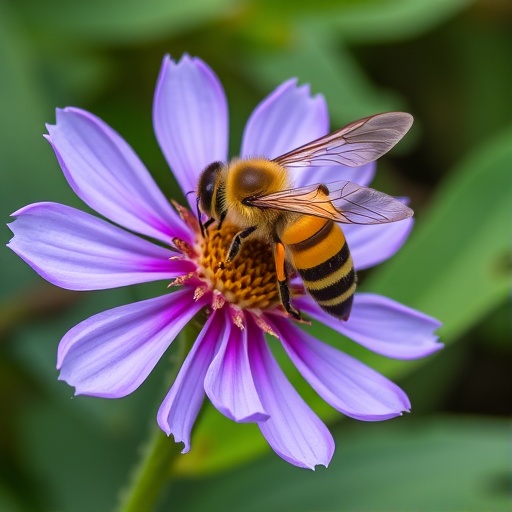
At the core of this study is the phenomenon of obligatory-xenogamous pollination, which refers to the requisite need for pollen from a different individual for successful fertilization and fruit set. Unlike self-pollinating species, Justicia gendarussa relies on external pollinators to achieve reproductive success. The researchers observed a diverse array of pollinators visiting the flowers, each contributing to the process of pollen transfer, which is critical for the development of the plant’s seeds.
In examining the subtle balance between self-pollination and cross-pollination, the study emphasizes the ecological advantages of xenogamy for Justicia gendarussa. Cross-pollination enhances genetic variability, which is essential for the resilience of populations, particularly as they face changing environmental conditions. As such, these plants display fascinating adaptations aimed at attracting specific pollinators, which can lead to more effective pollen transfer and, ultimately, higher fruit set rates.
The study also delves into the relationship between flower morphology and pollinator preferences, demonstrating how specific traits evolve to attract certain species. For example, the coloration and scent of Justicia gendarussa flowers are designed to optimize visibility and appeal to a range of pollinators, from bees to butterflies. This relationship is a testament to the intricate evolution of flowering plants, adapting continually to ensure successful polination and reproduction.
Moreover, the researchers undertook exhaustive field studies, meticulously documenting the patterns of visitation by pollinators to collect data on their role in the pollination process. By analyzing the rates of pollen transfer and subsequent fruit set, they were able to ascertain the effectiveness of different pollinator species and the overall health of the plant population. This empirical approach reinforces the validity of their findings, painting a vivid picture of the ecological dynamics at play.
Alongside empirical research, this study touches on the crucial implications for conservation and strategic habitat management. Understanding the pollination ecology of species like Justicia gendarussa can aid in formulating effective conservation strategies, especially as habitat loss and environmental degradation continue to threaten plant-pollinator interactions. Insights gleaned from this research can prove invaluable for promoting the stability and health of tropical ecosystems.
In addition to immediate conservation applications, the findings of this study illuminate broader themes in plant reproductive strategies. As climate change destabilizes ecological networks, plants that utilize xenogamous strategies may have enhanced survival prospects. Their reliance on a diverse array of pollinators could buffer against fluctuating environmental conditions, defining their crucial role in ecosystem resilience.
Furthermore, this research beckons further examination of less-studied plant species to understand the full spectrum of interaction dynamics within different ecosystems. The findings encourage a collaborative approach among ecologists tending to various pollinator-friendly plants, reinforcing the significance of preserving not just individual species, but entire ecological systems.
As scientists and conservationists strive to foster biodiversity, the insights derived from this study could spur new initiatives and collaborations aimed at safeguarding both plants and pollinators. By enhancing our understanding of the intricate web of life, we can craft more holistic strategies that reflect the complexities of ecological relationships.
Ultimately, Justicia gendarussa, through its reliance on supplementary obligatory-xenogamous pollination, serves as a compelling case study in the remarkable adaptations of flowering plants. This research not only enriches the body of knowledge surrounding plant reproductive strategies but also emphasizes the need for continued exploration in the fields of ecology and conservation Biology. As we unveil the mysteries of plant-pollinator relationships, we pave the way for more sustainable interactions that honor the delicate balance of nature.
In light of these vital findings, the scientific community is called to prioritize the study of plant pollination systems. Encouragement should be directed toward interdisciplinary approaches that unite researchers across various fields to fortify our understanding of ecological networks. The remarkable interplay of species and their environments underscores the urgency of preserving biodiversity for future generations.
In conclusion, as we navigate the complexities of climate change and ecological preservation, research such as that conducted by Kundu and colleagues serves as a reminder of the importance of understanding and safeguarding the natural world. By enhancing our understanding of the unique relationships between plants and their pollinators, we can take significant steps toward preserving the intricate and interdependent web of life. The future of our planet relies on these insights and the commitment to nurturing ecological balance.
Subject of Research: Pollination ecology and breeding system of Justicia gendarussa.
Article Title: Pollination ecology and breeding system of Justicia gendarussa Burm. f. (Acanthaceae): first report of fruit set through supplementary obligatory-xenogamous pollination.
Article References: Kundu, A., Mondal, R., Layek, U. et al. Pollination ecology and breeding system of Justicia gendarussa Burm. f. (Acanthaceae): first report of fruit set through supplementary obligatory-xenogamous pollination. Sci Nat 112, 81 (2025). https://doi.org/10.1007/s00114-025-02028-5
Image Credits: AI Generated
DOI: https://doi.org/10.1007/s00114-025-02028-5
Keywords: Pollination, Justica gendarussa, Acanthaceae, Xenogamous, Ecology, Conservation, Biodiversity.
Tags: Acanthaceae family plant reproductionecological implications of pollinationevolutionary adaptations in plant speciesfruit development in Justicia gendarussagenetic diversity in flowering plantsinsights into plant reproductive successinteractions between plants and pollinatorsJusticia gendarussa pollination strategiesrole of pollinators in plant breedingsupplementary obligatory-xenogamous pollinationtropical flowering plant reproductionxenogamous pollination mechanisms