Reston, VA (July 17, 2026)—A set of studies released ahead of print in The Journal of Nuclear Medicine (JNM) highlights how molecular imaging and targeted radiopharmaceuticals are accelerating precision medicine—from cancer risk prediction to early neurodegenerative change detection. Published by the Society of Nuclear Medicine and Molecular Imaging, the research spans theranostics, PET-based prognostic scoring, radiotherapy safety signals, and second-generation tau imaging biomarkers in aging.
In one study, investigators tested a combination approach for pancreatic cancer using the radiopharmaceutical ^177Lu-DOTA-ABM-5G alongside the DNA repair inhibitor olaparib. Preclinical models showed that the therapy delivered tumor-associated radiation while simultaneously disrupting repair pathways, resulting in amplified DNA damage, suppressed tumor growth, slowed disease progression, and improved survival compared with either strategy alone.
A second paper introduces PROFILE, a PET-informed prognostic framework for advanced prostate cancer designed to estimate survival before targeted radiopharmaceutical therapy. By integrating two PET scan findings with standard clinical variables, the score separated patients into low-, intermediate-, and high-risk strata and performed consistently across independent cohorts, supporting its potential role in earlier treatment stratification.
Safety and hematologic biology also took center stage. Researchers examined clonal hematopoiesis in patients receiving ^177Lu PSMA therapy, finding that while overall survival did not differ by mutation status, mutation carriers showed a trend toward increased blood-related adverse effects. Importantly, new or expanding clonal mutations were frequently observed during treatment, suggesting dynamic changes under radiopharmaceutical exposure.
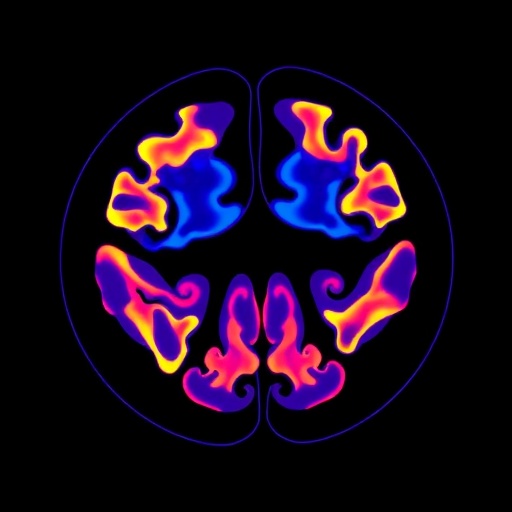
Beyond oncology, another study tested whether a second-generation tau PET tracer can reveal Alzheimer’s-associated brain alterations in people who are still cognitively normal. Higher tracer uptake correlated with Alzheimer’s genetic risk, a blood biomarker of disease, female sex, and weaker episodic memory performance—pointing toward a route for detecting early pathology-linked change.
Taken together, these findings strengthen the case for theranostic workflows that couple targeted delivery with biomarker-guided decision-making. They also emphasize measurement beyond tumors, including predictive indices and circulating-cell genomic evolution that may influence tolerability and clinical outcomes.
As molecular imaging tools become more sensitive and analytic methods more integrated, future trials may refine personalized treatment timing, dosing considerations, and monitoring strategies. For clinicians and researchers, the unifying theme is simple: imaging signals are increasingly actionable, linking risk assessment, treatment response, and safety monitoring.
For readers seeking the latest developments, additional information is available via the JNM platform and its official social channels. The studies collectively underscore that precision imaging is moving from detection toward decision support—turning biological complexity into measurable, clinically relevant signals.
Subject of Research: Molecular imaging, theranostics, PET biomarkers, targeted radiopharmaceuticals, precision medicine
Article Title: Targeted Radiation and PARP Inhibitor Show Promise Against Pancreatic Cancer; New PET-Based Score May Help Predict Outcomes Before Prostate Cancer Therapy; Study Explores Blood Cell Mutations in Patients Receiving Targeted Prostate Cancer Therapy; Tau PET Scan Detects Early Alzheimer’s-Related Brain Changes in Healthy Older Adults
News Publication Date: July 17, 2026
Web References: https://doi.org/10.2967/jnumed.125.271137 ; https://doi.org/10.2967/jnumed.126.272368 ; https://doi.org/10.2967/jnumed.126.272125 ; https://doi.org/10.2967/jnumed.125.271927 ; https://jnm.snmjournals.org/
References: Society of Nuclear Medicine and Molecular Imaging (SNMMI) / The Journal of Nuclear Medicine (JNM)
Image Credits: Not provided
Keywords: theranostics; PET; ^177Lu; PARP inhibitor; olaparib; PSMA; clonal hematopoiesis; tau PET; Alzheimer’s; precision medicine; prognostic score; PROFILE
Tags: clonal hematopoiesis in radioligand therapyDNA repair inhibitors in nuclear medicinemolecular imagingneurodegenerative disease detection with molecular imagingpancreatic cancer radiopharmaceutical therapyPET-based prognostic scoringPET-informed survival predictionprecision medicine in nuclear imagingradiotherapy safety signalssecond-generation tau imaging biomarkerstargeted radiopharmaceuticalstheranostics in cancer treatment