• HOME
  • NEWS
  • EXPLORE
    • CAREER
      • Companies
      • Jobs
    • EVENTS
    • iGEM
      • News
      • Team
    • PHOTOS
    • VIDEO
    • WIKI
  • BLOG
  • COMMUNITY
    • FACEBOOK
    • INSTAGRAM
    • TWITTER
Thursday, May 21, 2026
BIOENGINEER.ORG
No Result
View All Result
  • Login
  • HOME
  • NEWS
  • EXPLORE
    • CAREER
      • Companies
      • Jobs
        • Lecturer
        • PhD Studentship
        • Postdoc
        • Research Assistant
    • EVENTS
    • iGEM
      • News
      • Team
    • PHOTOS
    • VIDEO
    • WIKI
  • BLOG
  • COMMUNITY
    • FACEBOOK
    • INSTAGRAM
    • TWITTER
  • HOME
  • NEWS
  • EXPLORE
    • CAREER
      • Companies
      • Jobs
        • Lecturer
        • PhD Studentship
        • Postdoc
        • Research Assistant
    • EVENTS
    • iGEM
      • News
      • Team
    • PHOTOS
    • VIDEO
    • WIKI
  • BLOG
  • COMMUNITY
    • FACEBOOK
    • INSTAGRAM
    • TWITTER
No Result
View All Result
Bioengineer.org
No Result
View All Result
Home NEWS Science News Chemistry

Jefferson Lab ES&H Deputy Director receives Health Physics Society honor

Bioengineer by Bioengineer
July 30, 2020
in Chemistry
Reading Time: 2 mins read
0
IMAGE
Share on FacebookShare on TwitterShare on LinkedinShare on RedditShare on Telegram

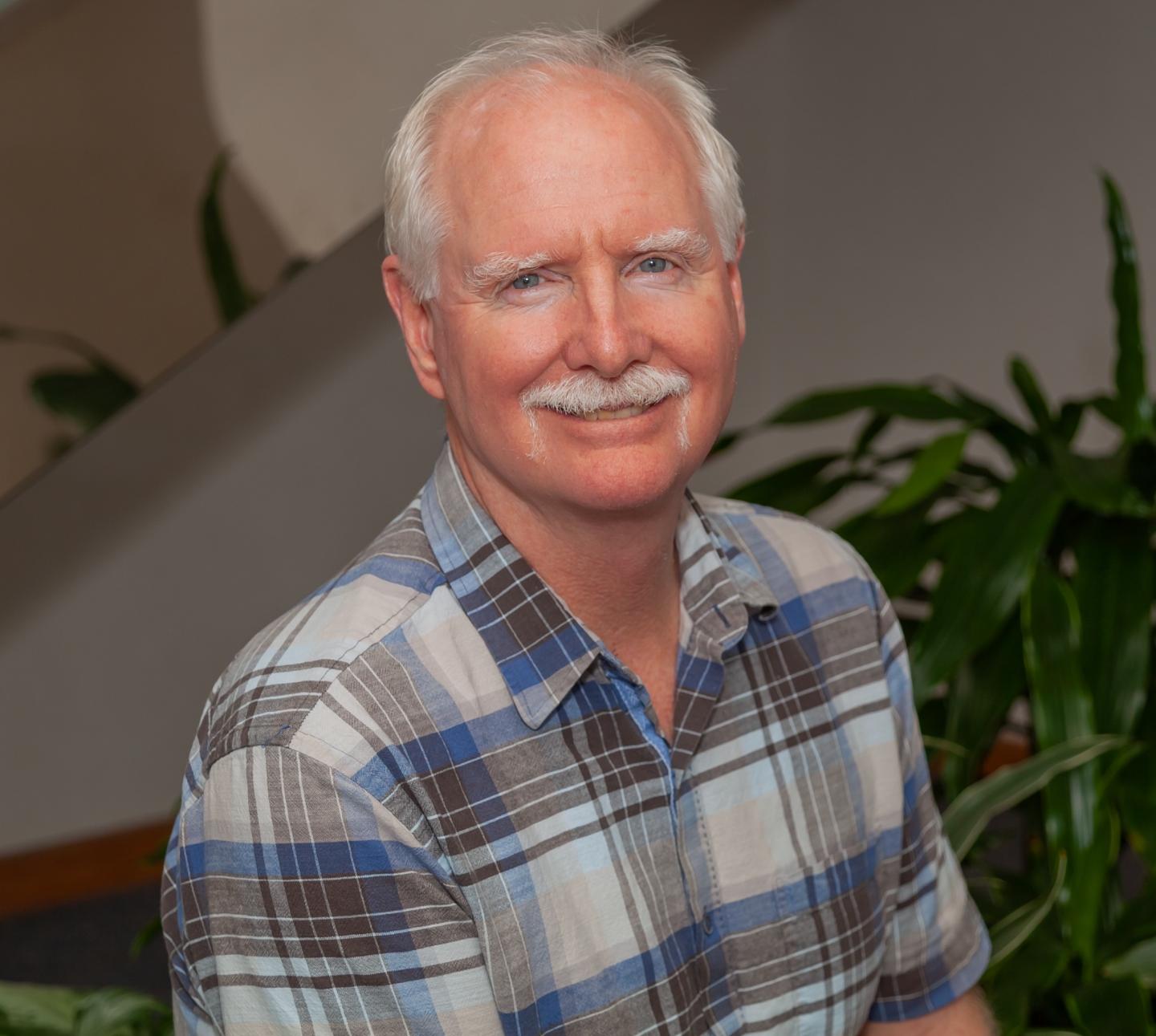
After more than 40 years of dedicated service to safety, Bob May has been named a fellow of the Health Physics Society
IMAGE

Credit: DOE’s Jefferson Lab

NEWPORT NEWS, VA – Bob May’s career-long aspiration has been to keep people from all walks of life and in different work environments safe from radiation in the workplace. Now, the deputy director of Environment, Safety and Health at the U.S. Department of Energy’s Thomas Jefferson National Accelerator Facility has been honored for his dedication to the field by being named a fellow of the Health Physics Society.

“The award is given to members of the society in recognition of their significant administrative, educational and/or scientific contributions to the profession of health physics,” said Nolan Hertel, chair of the HPS awards committee, in a letter to May.

May was nominated and elected to receive the honor by his professional peers.

Throughout his 40-year career as a health physicist, May has held many roles within the HPS national and statewide chapters, including exam panel member, board member, secretary, president and newsletter editor. Currently, he is a plenary member and president-elect of the accelerator section of the nationwide organization and treasurer of the Virginia chapter.

May has served as the deputy director of the ES&H division at Jefferson Lab since 2008. He joined the lab in 1990 when it was the Continuous Electron Beam Accelerator Facility (CEBAF), serving first as the operational health physicist and then as the acting head of the radiation control group.

Prior to starting his career at the lab, May worked at the Norfolk Naval Shipyard as a health physicist and senior manager. He began his career in 1979 as a radiological health specialist for the Virginia Department of Health after graduating from Virginia Tech with a bachelor of science degree in biology. He earned a master’s degree in health physics from the Illinois Institute of Technology in 2003.

Founded in 1956, the Health Physics Society consists of more than 3,200 members around the world who specialize in radiation safety. According to the HPS, members include professionals in academia, government, medicine, research and development, analytical services, consulting and industry.

Contact: Kandice Carter, Jefferson Lab Communications Office, 757-269-7263, [email protected]

Media Contact
Kandice Carter
[email protected]

Original Source

https://www.jlab.org/news/releases/jefferson-lab-esh-deputy-director-receives-health-physics-society-honor

Tags: Chemistry/Physics/Materials SciencesNuclear PhysicsParticle Physics
Share12Tweet8Share2ShareShareShare2

Related Posts

Scientists Achieve Breakthrough in Molecular ‘Sandwich’ Assembly — Chemistry

Scientists Achieve Breakthrough in Molecular ‘Sandwich’ Assembly

May 21, 2026
Advancing In Vivo and In Situ Monitoring: Science Bulletin Highlights Host-Based Antifouling Gold Nanotube Sensor for Selective Detection of Mechanically Sensitive Serotonin Release in Intestinal Mucosa — Chemistry

Advancing In Vivo and In Situ Monitoring: Science Bulletin Highlights Host-Based Antifouling Gold Nanotube Sensor for Selective Detection of Mechanically Sensitive Serotonin Release in Intestinal Mucosa

May 20, 2026

How Magnetic Orientation Could Influence the Building Blocks of Life

May 20, 2026

Breaking a 200-Year-Old Belief: Novel Surface Design Achieves Two Distinct Wetting States on One Substrate

May 20, 2026
Please login to join discussion

POPULAR NEWS

  • blank

    New Study Reveals Plants Can Detect the Sound of Rain

    733 shares
    Share 292 Tweet 183
  • ESMO 2025: mRNA COVID Vaccines Enhance Efficacy of Cancer Immunotherapy

    304 shares
    Share 122 Tweet 76
  • Research Indicates Potential Connection Between Prenatal Medication Exposure and Elevated Autism Risk

    846 shares
    Share 338 Tweet 212
  • Breastmilk Balances E. coli and Beneficial Bacteria in Infant Gut Microbiomes

    58 shares
    Share 23 Tweet 15

About

We bring you the latest biotechnology news from best research centers and universities around the world. Check our website.

Follow us

Recent News

Innovative Reusable Brick Walls Revolutionize Construction Industry

Nonlinear Atomic Tunneling Enhanced by Bright Squeezed Vacuum

Label-Free Super-Resolution Imaging of Live Cells

Subscribe to Blog via Email

Enter your email address to subscribe to this blog and receive notifications of new posts by email.

Join 82 other subscribers
  • Contact Us

Bioengineer.org © Copyright 2023 All Rights Reserved.

Welcome Back!

Login to your account below

Forgotten Password?

Retrieve your password

Please enter your username or email address to reset your password.

Log In
No Result
View All Result
  • Homepages
    • Home Page 1
    • Home Page 2
  • News
  • National
  • Business
  • Health
  • Lifestyle
  • Science

Bioengineer.org © Copyright 2023 All Rights Reserved.