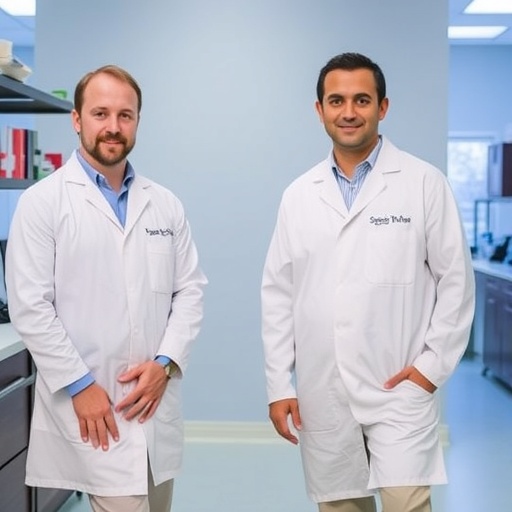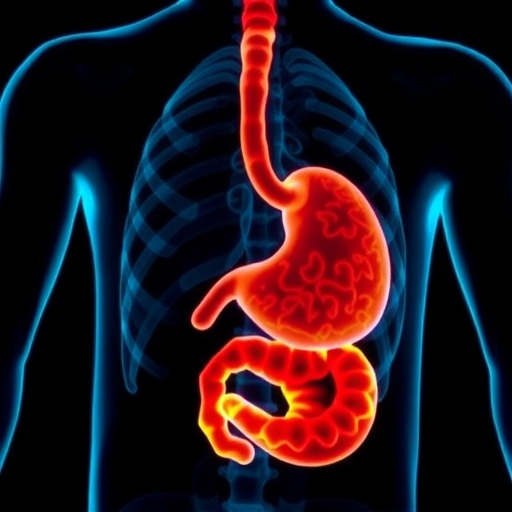
Researchers at the Indiana University Melvin and Bren Simon Comprehensive Cancer Center have unveiled groundbreaking insights into the role of clotting proteins in pancreatic cancer progression. Their study, recently published in the prestigious journal Gastroenterology, reveals that targeting fibrinogen, a liver-produced clotting protein, can significantly impede the growth and metastatic potential of pancreatic ductal adenocarcinoma (PDAC) tumors in preclinical models. This research opens new avenues for therapeutic intervention in one of the deadliest forms of cancer, where treatment options have traditionally been limited.
Pancreatic cancer is notoriously aggressive, characterized by its dense, fibrotic tumor microenvironment and a high propensity for metastasis, particularly to the liver. The IU team, led by Dr. Melissa L. Fishel, PhD, focused on fibrinogen, a critical component of blood clot formation that is converted into fibrin following vascular injury. Their research discovered that fibrinogen accumulates within pancreatic tumors, contributing structurally and biochemically to the tumor milieu, facilitating tumor growth and influencing the cancer cells’ behavior.
Dr. Fishel explained that pancreatic cancer patients frequently exhibit elevated rates of thrombotic events, such as deep-vein thrombosis (DVT). This observation prompted the team to investigate whether coagulation factors like fibrinogen were merely bystanders or active contributors to cancer progression. Through sophisticated genetic and biochemical techniques to reduce fibrinogen levels in mouse models, the researchers were able to demonstrate a clear causal link: tumors in mice with depleted fibrinogen showed marked reductions in primary tumor size and a dramatic decrease in liver metastases.
The study utilized multiple tumor cell lines, including patient-derived models developed by the cancer center’s Pancreatic Cancer Working Group. These models more closely mimic the heterogeneity and complexity of human pancreatic tumors, providing robust evidence that the effect of fibrinogen depletion is broadly applicable rather than tumor type-specific. Importantly, while fibrinogen depletion impaired tumor growth in the pancreas, it did not affect metastatic tumor growth once tumor cells had colonized secondary sites like the liver or lungs, suggesting that fibrinogen’s impact is localized to the primary tumor microenvironment.
A striking aspect of the study is the demonstration that fibrinogen’s presence within the pancreatic tumor microenvironment orchestrates key aspects of cancer-associated fibroblast activity and extracellular matrix remodeling. These fibroblasts are instrumental in constructing a protumorigenic niche that nurtures cancer cells, promotes immune evasion, and fosters treatment resistance. By reducing fibrinogen, the researchers suppressed fibroblast recruitment and matrix deposition, effectively dismantling the scaffolding that supports tumor growth and dissemination.
Despite these promising findings, Dr. Fishel stresses the importance of a balanced therapeutic approach. Fibrinogen is critical for normal hemostasis, and its complete elimination could provoke excessive bleeding and other severe complications. Instead, the goal is to normalize fibrinogen levels in pancreatic cancer patients—lowering them from pathologically high concentrations back to baseline, a strategy presumed to be clinically manageable without compromising patient safety.
The research team is now focused on deciphering the molecular signaling pathways modulated by fibrinogen within the tumor microenvironment. Understanding the downstream effectors influenced by fibrin will be pivotal for developing combination therapies that target both the clotting axis and cancer cell vulnerabilities. Such combination strategies hold the promise of enhancing the efficacy of existing chemotherapeutics and novel targeted agents, potentially transforming the clinical management of pancreatic cancer.
This study emerges from the Pancreatic Cancer Stromal Reprogramming Consortium, a national collaborative network dedicated to accelerating discoveries in stromal biology and tumor microenvironment modulation. The consortium’s integrated approach brings together experts from multiple disciplines and institutions to tackle the complexity of pancreatic cancer, a cancer type with traditionally poor prognosis and limited responsiveness to conventional therapies.
Contributing significantly to this research, postdoctoral fellow Nayela N. Chowdhury served as the study’s first author, with additional support from colleagues Dana K. Mitchell, Silpa Gampala, Kylee Brewster, Wade Clapp, and Jia Wang. The IU School of Medicine, recognized for its leadership in medical research and ranked among the top U.S. medical schools, provided the robust scientific environment and resources necessary for such high-impact research.
The discovery that modulating a blood clotting protein within the tumor microenvironment can affect pancreatic cancer progression fundamentally shifts how researchers understand tumor biology and metastasis. It highlights the intricate relationship between cancer and systemic physiological processes like coagulation, offering new angles for intervention beyond traditional cytotoxic approaches.
In conclusion, this study represents a paradigm shift in pancreatic cancer research by illuminating the tumor-supportive role of fibrinogen. While not a standalone cure, fibrinogen-targeted therapy combined with current or emerging treatments could delay disease progression and improve patient outcomes. The next phase of this research will delve deeper into molecular mechanisms and clinical translation, aiming to transform these compelling preclinical insights into tangible benefits for patients.
Subject of Research: Role of fibrinogen in pancreatic ductal adenocarcinoma tumor growth and metastasis
Article Title: Depleting Liver-Derived Fibrinogen Slows Pancreatic Cancer Progression in Preclinical Models
News Publication Date: Not specified in article
Web References:
Indiana University Melvin and Bren Simon Comprehensive Cancer Center: https://cancer.iu.edu/
IU School of Medicine: https://medicine.iu.edu/
Gastroenterology journal DOI: https://doi.org/10.1053/j.gastro.2025.09.024
Pancreatic Cancer Stromal Reprogramming Consortium: https://www.nci-psrc.org/
References:
Fishel ML et al. (2025). Study on fibrinogen depletion in PDAC models. Gastroenterology.
Image Credits: Tim Yates, IU School of Medicine
Keywords: Pancreatic cancer, fibrinogen, blood clotting proteins, tumor microenvironment, metastasis, pancreatic ductal adenocarcinoma, cancer-associated fibroblasts, thromboembolism, deep-vein thrombosis, tumor progression, liver metastases, cancer biology
Tags: cancer-associated thrombosis researchclotting proteins in tumor microenvironmentfibrinogen inhibition preclinical studiesfibrinogen role in cancer progressionfibrosis in pancreatic tumorsIndiana University pancreatic cancer studyliver-produced clotting factors cancernovel treatments for PDACpancreatic cancer metastasis mechanismspancreatic ductal adenocarcinoma therapeutic targetstargeting coagulation pathways in oncologythrombotic events in pancreatic cancer