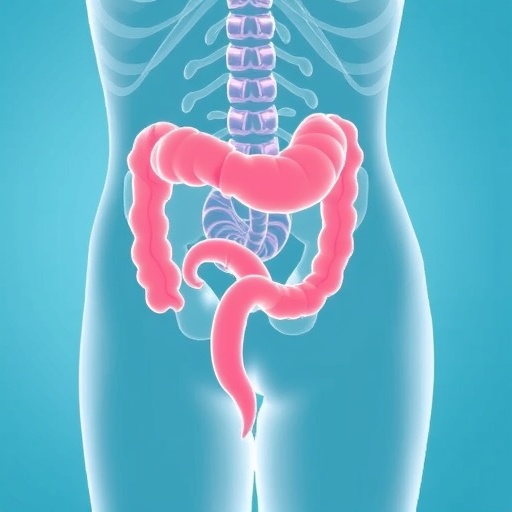
In the rapidly evolving landscape of pediatric research, the emergence of novel therapeutic modalities to address complex, multifactorial conditions offers a beacon of hope for patients and clinicians alike. A groundbreaking study published in Pediatric Research by Suresh and Harijith introduces isovaleric acid as a promising therapeutic candidate for constipation associated with the atopic march—a sequential progression of allergic diseases that typically begins in early childhood. This novel investigation not only elucidates potential mechanisms underlying this unique gastrointestinal manifestation in atopic children but also pioneers an unconventional approach that could redefine treatment paradigms in pediatric allergic disorders.
The atopic march, characterized by the temporal development of atopic dermatitis, food allergies, allergic rhinitis, and ultimately asthma, has long been recognized as a hallmark of immune dysregulation during early life. However, an underexplored but clinically significant facet of this syndrome is the frequent occurrence of constipation, a condition that exacerbates patient discomfort and complicates disease management. The study by Suresh and Harijith delves into the biochemical and immunomodulatory milieu of children progressing through the atopic march, highlighting a heretofore underappreciated role for short-chain fatty acids, particularly isovaleric acid, in modulating gut motility and immune responses.
Isovaleric acid, a branched-chain fatty acid predominantly produced by gut microbiota during protein fermentation, has traditionally been regarded with suspicion due to its association with metabolic disorders and foul odor as a byproduct. Contrarily, emerging evidence presented in this research positions isovaleric acid as a critical regulator of enteric nervous system activity and mucosal immunity, suggesting it may directly influence intestinal motility and barrier integrity. Through meticulously designed in vivo and in vitro experiments, the researchers demonstrate that exogenously administered isovaleric acid significantly improves bowel movement frequency and consistency in animal models mimicking atopic march conditions, offering surprising insights into its therapeutic potential.
Mechanistically, the study uncovers that isovaleric acid exerts its effects by engaging specific G-protein coupled receptors (GPCRs) expressed on enteric neurons and immune cells within the gut-associated lymphoid tissue. Activation of these receptors initiates a cascade of intracellular events culminating in enhanced peristaltic activity and modulation of pro-inflammatory cytokine profiles, thereby alleviating constipation while potentially attenuating allergic inflammation. This dual functionality underscores the intricate interplay between the microbiome, immune system, and nervous regulation in the pathology of atopic march, and positions isovaleric acid as a unique agent capable of addressing these intersecting pathways.
The authors further analyze the longitudinal changes in gut microbial composition during the progression of atopic march, revealing a notable decline in bacterial species associated with isovaleric acid production. This dysbiosis correlates with the severity of constipation symptoms, suggesting that microbial-derived metabolites are pivotal in maintaining intestinal homeostasis in atopic patients. Such findings advocate for the consideration of microbiota-targeted therapies and metabolic supplementation as viable strategies, moving beyond symptomatic management towards interventions that tackle underlying pathophysiological mechanisms.
From a translational perspective, the research delineates a therapeutic schema where controlled supplementation of isovaleric acid or its precursors could restore deficient metabolic pathways, subsequently normalizing gut motility and immune function. Preclinical safety assessments indicate minimal adverse effects at therapeutic dosages, paving the way for clinical trials aimed at evaluating efficacy and tolerability in pediatric populations. Importantly, the study emphasizes the need for precise dosing regimens and formulation strategies to optimize bioavailability and minimize potential gastrointestinal irritation often associated with fatty acid supplementation.
The implications of using isovaleric acid in the context of atopic march extend beyond constipation relief; the molecule’s immunomodulatory capabilities may influence the broader allergic phenotype, potentially mitigating progression towards more severe or systemic manifestations. This hypothesis encourages future investigations into the longitudinal impact of isovaleric acid therapy on asthma development and allergic sensitization, aspects critical to altering the natural history of atopic diseases.
Underlying these scientific advancements is the recognition of gut microbiota’s central role in pediatric allergic conditions—a field that has witnessed exponential growth but still retains numerous unanswered questions. The study by Suresh and Harijith fortifies the conceptual framework that microbial metabolites are far more than byproducts; they are active participants in immune education and neurogastroenterological functions. This enhanced understanding propels the field towards integrated therapeutic approaches incorporating microbiome modulation, metabolic correction, and immunological targeting.
Experts in pediatrics and gastroenterology have lauded the study for its innovative perspective, attributing significant clinical relevance to the findings. They anticipate that the therapeutic exploitation of isovaleric acid could markedly improve quality of life for children grappling with the compounded burden of allergic disease and functional gastrointestinal disorders. Moreover, the research sets a precedent for revisiting other microbial metabolites with potential utility in complex immunological and neurological intersections.
Nevertheless, challenges remain in translating these preclinical successes to routine clinical practice. Issues such as inter-individual variability in microbiota composition, potential long-term effects of supplementation, and interactions with existing treatments must be rigorously assessed. The authors advocate for multi-center, placebo-controlled clinical studies with robust biomarkers to delineate responders from non-responders and to refine personalized treatment algorithms.
This research aligns with a broader scientific movement towards precision medicine, where metabolic and microbial signatures define therapeutic strategies. It embodies an interdisciplinary approach, amalgamating immunology, microbiology, neurology, and pharmacology, to address a historically intractable symptom complex in children. As such, it holds promise not only for alleviating constipation but also for reshaping how clinicians conceptualize and manage the atopic march.
In conclusion, the study by Suresh and Harijith revolutionizes the understanding of the atopic march-associated constipation by spotlighting isovaleric acid’s therapeutic promise. Its multifaceted action on gut motility and immune modulation invites a paradigm shift, transforming a previously neglected symptom into a treatable condition with ramifications for the broader allergic trajectory. As further research builds upon these findings, isovaleric acid may emerge as a cornerstone of integrated, microbiome-based therapies in pediatric allergy and gastroenterology.
The publication of this research in 2025 signals a critical juncture, reminding the scientific community of the untapped therapeutic potential residing within microbial metabolites. It galvanizes renewed exploration into gut-derived compounds, heralding a new era where pediatric allergic and gastrointestinal disorders can be managed with targeted, biologically informed interventions that transcend conventional pharmacology.
Subject of Research: Investigation of isovaleric acid as a therapeutic agent for constipation associated with the atopic march in pediatric patients, exploring mechanisms of gut motility modulation and immune response regulation.
Article Title: Isovaleric acid as a potential therapy for atopic march associated constipation
Article References:
Suresh, A., Harijith, A. Isovaleric acid as a potential therapy for atopic march associated constipation. Pediatr Res (2025). https://doi.org/10.1038/s41390-025-04517-9
Image Credits: AI Generated
Tags: atopic march and gastrointestinal healthbiochemical mechanisms of isovaleric acidconstipation in children with atopic disordersimmune dysregulation in early lifeimplications of isovaleric acid in pediatric therapyisovaleric acid for pediatric constipationmanaging constipation in allergic childrennovel therapeutic approaches for allergic diseasespediatric research on gut healthredefining treatment paradigms for allergiesrole of gut motility in atopic conditionsshort-chain fatty acids in childhood allergies