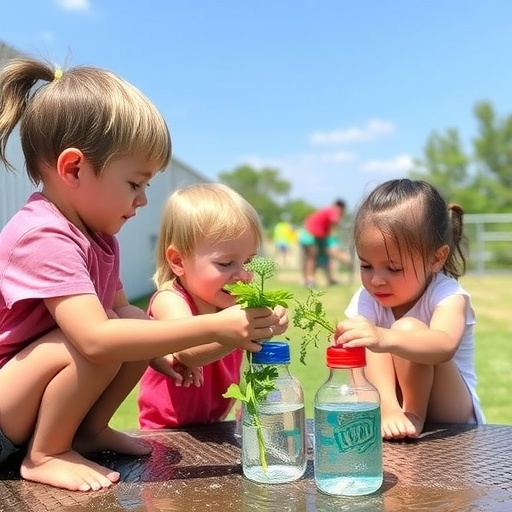
In the ever-evolving landscape of pediatric health, a groundbreaking research initiative has emerged, promising to shed light on the vital relationship between hydration and the well-being of young children in day care settings. The study, masterminded by a diverse team of scientists including Belgardt, Kalhoff, and Kersting, seeks to examine water intake and hydration status changes among young children under varying climate conditions. This innovative research aims to bridge gaps in our understanding of how environmental factors affect the hydration needs of the youngest and most vulnerable members of our society.
Water is essential for life, and its significance increases multifold in the formative years of childhood. Young children, especially those in day care settings, may face unique challenges regarding hydration. Their developing bodies and active lifestyles necessitate a dynamic approach to understanding hydration, particularly as climate change introduces new variables and stressors. This study projectively tackles these challenges by exploring the intersection of water intake, climate variations, and the hydration status of preschool-aged children.
The protocol outlines a systematic approach to collecting data, emphasizing the need for rigorous methodology to ensure the reliability of findings. The research is designed to facilitate comprehensive understanding by monitoring both the hydration status of children and their water consumption patterns over various environmental conditions. Such meticulous attention to detail is crucial, as it promises to yield data that could inform best practices in child care settings.
Climate scenarios represent critical factors that can greatly influence hydration needs. With rising temperatures, extreme weather occurrences, and increasingly unpredictable environmental patterns, understanding how these elements impact children’s health has never been more urgent. The research team plans to explore how different climate conditions might alter the amount of water young children require, thereby establishing a clearer framework for caregivers in day care centers.
Hydration status in early childhood is not just a matter of comfort; it is intrinsically linked to cognitive and physical development. Dehydration can lead to heightened fatigue, decreased concentration, and even long-lasting health issues. Thus, equipping day care centers with the knowledge derived from this research could ultimately empower caregivers to implement more effective hydration strategies. By understanding the nuances of hydration across various climates, caregivers can take proactive steps to safeguard the health and development of children entrusted to their care.
The study also delves into the sociocultural aspects of hydration practices among day care providers. What are the existing beliefs, attitudes, and behaviors surrounding water consumption in different communities? How do these perspectives influence children’s hydration habits? Exploring these socio-cultural dimensions provides a deeper insight into the complexities surrounding hydration in early childhood education. It can serve as a catalyst for a broader movement to reshape the narrative around children’s consumption of water.
As climate change continues to raise alarm bells globally, it is imperative that the findings from this research contribute to a larger discussion regarding public health. The implications extend beyond individual health; they speak to community well-being and environmental sustainability. Ensuring that the youngest population can thrive amidst changing climate conditions is a societal responsibility that transcends geographical boundaries.
The launch of this research initiative is timely, as growing concern over health disparities among children, particularly in underprivileged communities, indicates an urgent need for targeted interventions. By elucidating the effects of hydration in varied climates, the study could champion equitable health strategies, ensuring access to clean water and healthy hydration practices for all preschool-aged children.
Partnerships with local day care centers are a cornerstone of this research, fostering collaboration between researchers and educators. By engaging directly with day care providers, researchers will gain firsthand insights into existing hydration practices, challenges faced, and potential interventions that may be needed moving forward. This participatory approach strengthens the relevance of the research findings while ensuring that practical, actionable recommendations emerge from the study.
Furthermore, as the research unfolds, the data collected will contribute significantly to the scientific literature on childhood hydration. It represents a valuable addition to existing paradigms, integrating climate science with pediatric health. These findings could inspire additional research endeavors and encourage further exploration into the myriad ways in which environmental factors impact the health of young children.
As anticipation builds around the results of this study, the research team remains committed to transparency, collaboration, and community engagement. Dissemination of findings will take place through various channels, ensuring that information reaches child care providers, public health officials, and families alike. The ultimate goal is to create a resource hub that empowers stakeholders with knowledge and tools necessary to promote optimal hydration practices.
In summary, this innovative research represents a critical step forward in understanding the hydration needs of young children in daycare settings against the backdrop of changing climate scenarios. By prioritizing hydration as an essential aspect of child health, this study sets the stage for healthier futures, equipping caregivers with the knowledge and strategies to nurture the well-being of the next generation. As our climate continues to evolve, so too must our strategies for ensuring that every child remains hydrated, healthy, and ready to thrive.
Subject of Research: The relationship between water intake and hydration status changes in young children in day care centers under varying climate scenarios.
Article Title: Study protocol: exploring water intake and hydration status changes in young children in a day care center in different climate scenarios.
Article References:
Belgardt, A.J., Kalhoff, H., Kersting, M. et al. Study protocol: exploring water intake and hydration status changes in young children in a day care center in different climate scenarios.
BMC Pediatr (2025). https://doi.org/10.1186/s12887-025-06271-7
Image Credits: AI Generated
DOI:
Keywords: hydration, young children, day care, climate impact, water intake, pediatric health, socio-cultural practices.
Tags: challenges in children’s hydrationclimate change and child healthclimate impact on hydrationdaycare hydration practicesenvironmental factors affecting hydrationhydration and well-being in early childhoodhydration status monitoring in childreninnovative hydration researchpediatric health and hydrationresearch on child hydrationwater intake in preschoolersyoung children’s hydration needs