Angiogenesis, the process through which new blood vessels form from pre-existing ones, is a vital phenomenon that supports not only the growth of normal tissues but also the progression of various diseases, including cancer. Recent research led by Mentzer and Ackermann offers groundbreaking insights into a specific subset of this process known as intussusceptive angiogenesis. This study draws critical connections between observations in vivo and in vitro, highlighting how this less conventional form of blood vessel formation might reshape our understanding of vascular biology.
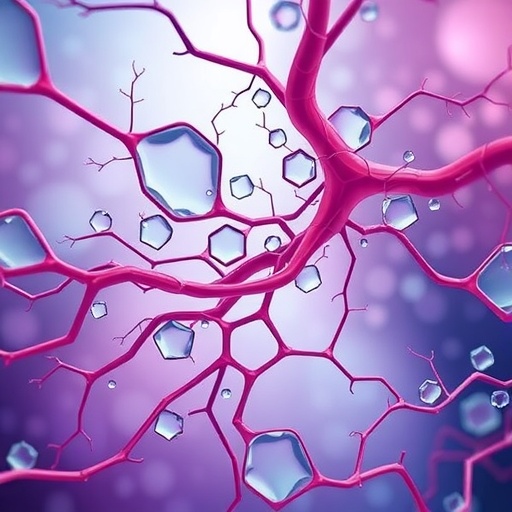
One of the primary revelations of the study is the unique mechanics underpinning intussusceptive angiogenesis. Unlike classical angiogenesis, which typically involves the sprouting and elongation of capillary networks, intussusceptive angiogenesis operates through a process of partitioning existing vessels. This partitioning occurs when small tissue protrusions, called interstitial cells, invade existing blood vessels, effectively splitting them into two or more channels. This remarkable ability to repurpose existing structures suggests a highly efficient system that can respond swiftly to the metabolic needs of tissues, particularly in rapidly growing environments like tumors.
The implications of these findings extend far beyond theoretical biology. They suggest potential therapeutic strategies that lie within the manipulation of the angiogenic process itself. By understanding how intussusceptive angiogenesis operates at cellular and molecular levels, researchers might develop targeted therapies that could either inhibit or enhance this process. Such capabilities could revolutionize the treatment of conditions where angiogenesis plays a crucial role, such as in cancer therapies aimed at depriving tumors of their blood supply.
The research emphasizes the importance of the microenvironment surrounding vascular systems. Through meticulously designed experiments, the authors were able to recreate aspects of the vascular niche both in vitro—using advanced cell culture systems—and in vivo, using animal models. The interplay of different signaling molecules, such as vascular endothelial growth factor (VEGF) and angiopoietins, was explored in depth, revealing that the presence or absence of specific signals could dramatically alter the outcomes of angiogenic processes. This discovery underscores the complexity of vascular biology and suggests that effective therapeutics must consider these intricate interactions.
Moreover, the authors discuss the role of biomechanical forces in guiding intussusceptive angiogenesis. The study points out that physical forces within the tissue environment, such as shear stress and interstitial pressure, can significantly influence the behavior of endothelial cells—the primary cells that line blood vessels. This finding paints a more holistic picture of angiogenesis wherein not just biochemical signals, but also physical forces are pivotal in determining how and when blood vessels form.
Another fascinating angle presented involves the evolutionary perspective on intussusceptive angiogenesis. The authors delve into how this process might represent an evolutionary adaptation that has allowed certain species to thrive under conditions that demand rapid vascular remodeling. By examining various animal models—from amphibians to mammals—the researchers demonstrate that different species have developed unique angiogenic mechanisms. This line of inquiry opens doors to biologists interested in evolutionary medicine, where understanding these adaptations could inform the development of novel therapeutic strategies.
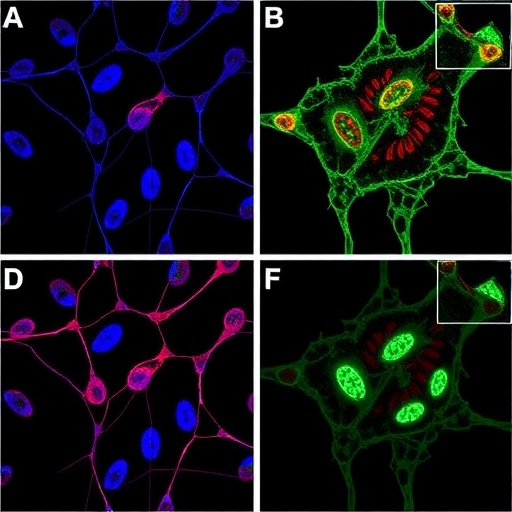
The researchers also employ advanced imaging techniques to visualize the dynamics of intussusceptive angiogenesis in real-time. Utilizing high-resolution microscopy, they provide compelling visual evidence of how endothelial cells reorganize during this form of angiogenesis. These images capture the subtleties of vascular growth, making it evident that intussusceptive angiogenesis is a more dynamic and fluid process than previously acknowledged.
One of the central challenges in deploying therapies that target angiogenesis is the paradoxical nature of the process: while angiogenesis can fuel tumor growth, it is also essential for wound healing and tissue repair. The nuanced understanding brought forth by this research provides a pathway to developing more refined therapeutic approaches. By selectively targeting the pathways associated with pathological angiogenesis, researchers may harness the power of intussusceptive angiogenesis in a controlled manner, promoting healing without exacerbating disease.
In addition to its immediate therapeutic implications, this study contributes to a broader scientific discourse on the nature of health and disease. It challenges longstanding assumptions about the static nature of blood vessel structures and invites researchers to reconsider how we conceptualize vascular development in both health and disease states. As science continues to move toward a more integrated understanding of biological systems, discoveries like those presented by Mentzer and Ackermann pave the way for innovative approaches that transcend traditional disciplinary boundaries.
The rigorous methodologies employed in this research set a high standard for future studies. A combination of genetic manipulation, pharmacological interventions, and advanced imaging techniques creates a comprehensive toolkit that can be utilized in further investigations into the dynamics of intussusceptive angiogenesis. This methodological rigor is essential for translating basic research findings into practical applications that can benefit patients in real-world settings.
The research does not shy away from acknowledging the limitations of its findings. Although the evidence supporting intussusceptive angiogenesis is compelling, the authors stress the need for additional studies in different models to validate the generalizability of their results. As scientists continue to unravel the complexities of vascular biology, such caution is necessary to ensure that future applications are built on a solid foundation of evidence.
In conclusion, the study conducted by Mentzer and Ackermann represents a significant advancement in our understanding of angiogenesis. By elucidating the mechanisms of intussusceptive angiogenesis and connecting in vivo and in vitro observations, the authors provide a rich landscape for further exploration. The findings suggest that future research could lead to innovative treatments that exploit the body’s natural mechanisms of blood vessel formation, offering hope for a wide range of medical applications.
As more researchers delve into the nuances of angiogenesis, it is clear that the field is on the brink of a transformative era. The insights provided by this study will undoubtedly inspire further inquiry and dialogue among scientists, ultimately paving the way for breakthroughs in both basic biology and clinical applications. The future of angiogenesis research is bright, and with each new discovery, we inch closer to harnessing these mechanisms for the benefit of human health.
Subject of Research: Intussusceptive angiogenesis and its implications in vascular biology and therapeutics.
Article Title: Intussusceptive angiogenesis: bridging in vivo and in vitro observations.
Article References:
Mentzer, S.J., Ackermann, M. Intussusceptive angiogenesis: bridging in vivo and in vitro observations. Angiogenesis 28, 60 (2025). https://doi.org/10.1007/s10456-025-10013-9
Image Credits: AI Generated
DOI: https://doi.org/10.1007/s10456-025-10013-9
Keywords: Angiogenesis, intussusceptive angiogenesis, vascular biology, endothelial cells, therapeutic applications.
Tags: angiogenesis and cancer progressionefficient blood vessel repurposingimplications of angiogenesis researchin vivo and in vitro studiesinterstitial cells in angiogenesisintussusceptive angiogenesismechanisms of blood vessel formationmetabolic needs of tumorspartitioning of blood vesselstherapeutic strategies for angiogenesisunconventional angiogenic processesvascular biology research insights