

• HOME
  • NEWS
  • EXPLORE
    • CAREER
      • Companies
      • Jobs
    • EVENTS
    • iGEM
      • News
      • Team
    • PHOTOS
    • VIDEO
    • WIKI
  • BLOG
  • COMMUNITY
    • FACEBOOK
    • INSTAGRAM
    • TWITTER
Monday, September 7, 2026
BIOENGINEER.ORG
No Result
View All Result
  • Login
  • HOME
  • NEWS
  • EXPLORE
    • CAREER
      • Companies
      • Jobs
        • Lecturer
        • PhD Studentship
        • Postdoc
        • Research Assistant
    • EVENTS
    • iGEM
      • News
      • Team
    • PHOTOS
    • VIDEO
    • WIKI
  • BLOG
  • COMMUNITY
    • FACEBOOK
    • INSTAGRAM
    • TWITTER
  • HOME
  • NEWS
  • EXPLORE
    • CAREER
      • Companies
      • Jobs
        • Lecturer
        • PhD Studentship
        • Postdoc
        • Research Assistant
    • EVENTS
    • iGEM
      • News
      • Team
    • PHOTOS
    • VIDEO
    • WIKI
  • BLOG
  • COMMUNITY
    • FACEBOOK
    • INSTAGRAM
    • TWITTER
No Result
View All Result
Bioengineer.org
No Result
View All Result
Home NEWS Science News Technology

Intraperitoneal Platinum-Graphene Oxide Shows Acute Toxicity and Tissue Deposition in Rats

Bioengineer by Bioengineer
August 26, 2026
in Technology
Reading Time: 1 min read
0
Intraperitoneal Platinum-Graphene Oxide Shows Acute Toxicity and Tissue Deposition in Rats
Share on FacebookShare on TwitterShare on LinkedinShare on RedditShare on Telegram

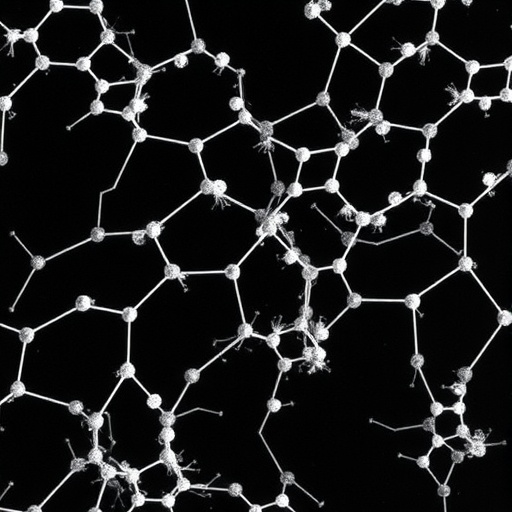
This study assessed the acute toxicity and tissue distribution of graphene oxide decorated with platinum nanoparticles (GO/PtNPs) in rats.

Key findings:

Rats received a single intraperitoneal dose of 300 or 2000 mg/kg and were examined after 14 days.
All animals survived, showed no notable behavioral abnormalities, and gained weight normally.
GO/PtNPs accumulated mainly in the abdominal cavity near the injection site, forming black deposits within granulomas.
Nanoparticle-containing macrophages were found in the mesenteric lymph nodes, liver, spleen, lungs, and kidneys.
Observed tissue changes included:

Degeneration in cardiac and skeletal muscle
Liver hydropic degeneration
Acute tubular necrosis in kidneys, particularly at the high dose
Brain hyperemia, cribriform changes, hemorrhage, and gliosis

No GO/PtNP deposits were detected in brain tissue or cerebral blood vessels.

Overall conclusion:
At doses substantially above anticipated therapeutic levels, GO/PtNPs produced extensive tissue deposition and selected organ toxicities, despite no mortality or overt clinical illness. The authors recommend additional studies using clinically relevant doses, administration routes, exposure durations, and controls before considering medical applications.

Tags: acute nanomaterial toxicity in ratsgranuloma formation from graphene oxidehigh-dose tissue damage from nanomaterialsimplications of nanoparticleIntraperitoneal platinum-graphene oxide toxicitymacrophage-mediated nanoparticle distributionnanoparticle accumulation in abdominal cavityneurological effects of nanomaterials in ratsorgan-specific effects of GO/PtNPsrenal and hepatic toxicity of platinum-graphene oxidesafety assessment of graphene oxide-based nanomedicinetissue deposition of graphene oxide nanoparticles


Share12Tweet7Share2ShareShareShare1

Related Posts

Trichoderma lixii secondary metabolites induce cancer cell apoptosis, GC-MS study shows

Trichoderma lixii secondary metabolites induce cancer cell apoptosis, GC-MS study shows

September 7, 2026
Machine-optimized CAD design yields stable flying wing UAV glider

Machine-optimized CAD design yields stable flying wing UAV glider

September 7, 2026

Improved grasp detection via global feature enhancement and skip-connected fusion

September 7, 2026

Force-responsive biomaterials harness the body’s own growth factors to repair tissue

September 7, 2026

POPULAR NEWS

  • Whole-genome sequencing reveals growth-promoting traits of beneficial bacterium Priestia megaterium

    29 shares
    Share 12 Tweet 7
  • Eye-tracking reveals how nurse experience shapes bedside patient observation

    29 shares
    Share 12 Tweet 7
  • New model predicts gastrointestinal bleeding risk in childhood IgA vasculitis

    29 shares
    Share 12 Tweet 7
  • Ballet as therapy: how dancing heals body and mind

    29 shares
    Share 12 Tweet 7

About

We bring you the latest biotechnology news from best research centers and universities around the world. Check our website.

Follow us

Recent News

Whole-genome sequencing reveals growth-promoting traits of beneficial bacterium Priestia megaterium

Eye-tracking reveals how nurse experience shapes bedside patient observation

New model predicts gastrointestinal bleeding risk in childhood IgA vasculitis

Subscribe to Blog via Email

Enter your email address to subscribe to this blog and receive notifications of new posts by email.

Join 85 other subscribers
  • Contact Us

Bioengineer.org © Copyright 2023 All Rights Reserved.

Welcome Back!

Login to your account below

Forgotten Password?

Retrieve your password

Please enter your username or email address to reset your password.

Log In
No Result
View All Result
  • Homepages
    • Home Page 1
    • Home Page 2
  • News
  • National
  • Business
  • Health
  • Lifestyle
  • Science

Bioengineer.org © Copyright 2023 All Rights Reserved.
