


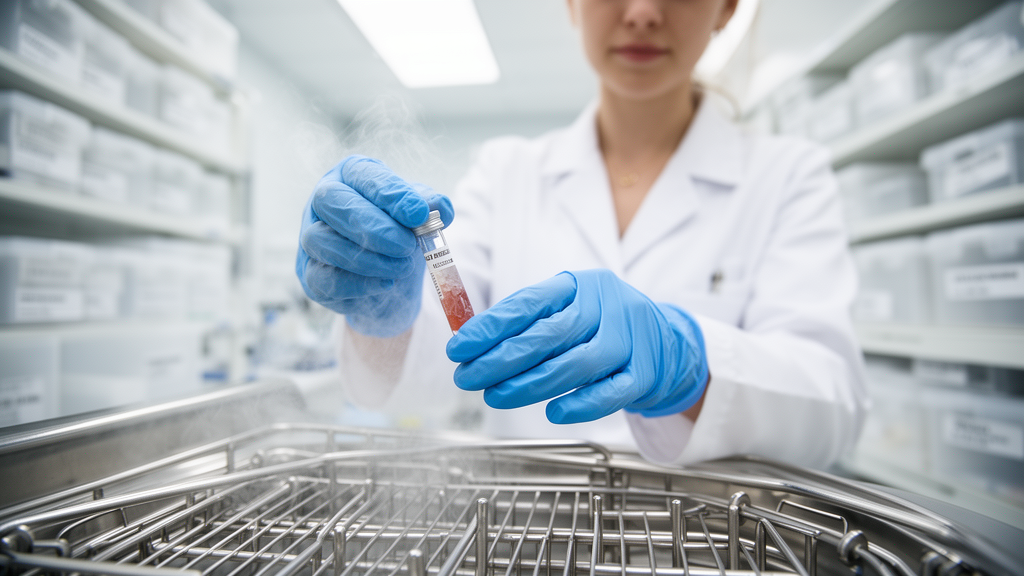
Rare cancer research is being held back by a simple but stubborn problem: there are not enough tumor and normal tissue samples available for scientists to study. That shortage is especially acute for sarcomas, a diverse group of bone and soft tissue cancers that remain underrepresented in most commercial and academic biobanks. A team at the University of Pittsburgh now describes how it has built a dedicated resource to close that gap, sharing its experience with the Musculoskeletal Oncology Tumor Registry and Tissue Bank, known as MOTOR, in a paper published in Clinical and Experimental Medicine.
MOTOR collects both tissue and clinical data from patients with bone and soft tissue sarcomas. According to the authors, the biorepository provides a centralized infrastructure for the systematic collection, storage, and organization of biospecimens, paired with the clinical information needed to interpret them. That combination, they argue, enables a wide range of studies in tumor biology, the development of research models, and longitudinal research that follows patients and their samples over time.
A central theme of the paper is standardization. The authors emphasize standardized sample collection and storage practices, which are critical for ensuring that specimens gathered by different clinicians and at different times remain comparable and usable for laboratory analysis. They also outline how the resource can expand opportunities for laboratory studies and clinical collaborations, connecting surgeons and scientists around a shared supply of well-characterized tissue.
The team presents its approach as a practical framework rather than a scientific result. By describing how MOTOR operates, the authors aim to demonstrate how a focused biobank can strengthen research infrastructure and advance work on a rare and highly diverse group of tumors. For sarcoma researchers, who often struggle to assemble study cohorts because individual tumor subtypes are so uncommon, such a framework could lower a longstanding barrier to model development and translational studies.
The paper is published as open access, and the version shared on 13 October 2026 is an early-release, peer-reviewed accepted manuscript that remains citable and carries a permanent DOI, subject to further edits before the final version of record appears. The article was authored by Sila Basbay, Amanda Locker, Tanya Heim, Richard McGough, Ines Lohse, and Kurt Weiss, affiliated with the University of Pittsburgh.
Subject of Research: A university biorepository for collecting bone and soft tissue sarcoma specimens and clinical data to support rare cancer research.
Article Title: Biobanking in sarcoma: lessons learned from the MOTOR biorepository
Article References: Basbay, S., Locker, A., Heim, T., McGough, R., Lohse, I., & Weiss, K. (2026). Biobanking in sarcoma: lessons learned from the MOTOR biorepository. Clinical and Experimental Medicine. https://doi.org/10.1007/s10238-026-02338-6
Image Credits: AI Generated
DOI: 10.1007/s10238-026-02338-6
Keywords: sarcoma, biobanking, biorepository, rare cancers, tissue banking, bone tumors, soft tissue tumors, University of Pittsburgh, MOTOR, research infrastructure, biospecimens, open access
News Source: Nathaniel Bowman. (October 30, 2026). Inside MOTOR: How a Pittsburgh Biobank Tackles the Sarcoma Tissue Shortage. Scienmag.



