• HOME
  • NEWS
  • EXPLORE
    • CAREER
      • Companies
      • Jobs
    • EVENTS
    • iGEM
      • News
      • Team
    • PHOTOS
    • VIDEO
    • WIKI
  • BLOG
  • COMMUNITY
    • FACEBOOK
    • INSTAGRAM
    • TWITTER
Sunday, May 10, 2026
BIOENGINEER.ORG
No Result
View All Result
  • Login
  • HOME
  • NEWS
  • EXPLORE
    • CAREER
      • Companies
      • Jobs
        • Lecturer
        • PhD Studentship
        • Postdoc
        • Research Assistant
    • EVENTS
    • iGEM
      • News
      • Team
    • PHOTOS
    • VIDEO
    • WIKI
  • BLOG
  • COMMUNITY
    • FACEBOOK
    • INSTAGRAM
    • TWITTER
  • HOME
  • NEWS
  • EXPLORE
    • CAREER
      • Companies
      • Jobs
        • Lecturer
        • PhD Studentship
        • Postdoc
        • Research Assistant
    • EVENTS
    • iGEM
      • News
      • Team
    • PHOTOS
    • VIDEO
    • WIKI
  • BLOG
  • COMMUNITY
    • FACEBOOK
    • INSTAGRAM
    • TWITTER
No Result
View All Result
Bioengineer.org
No Result
View All Result
Home NEWS Science News Biology

Insecticide resistance genes affect vector competence for West Nile virus

Bioengineer by Bioengineer
January 31, 2019
in Biology
Reading Time: 2 mins read
0
IMAGE
Share on FacebookShare on TwitterShare on LinkedinShare on RedditShare on Telegram

IMAGE

Credit: (c) Institut Pasteur

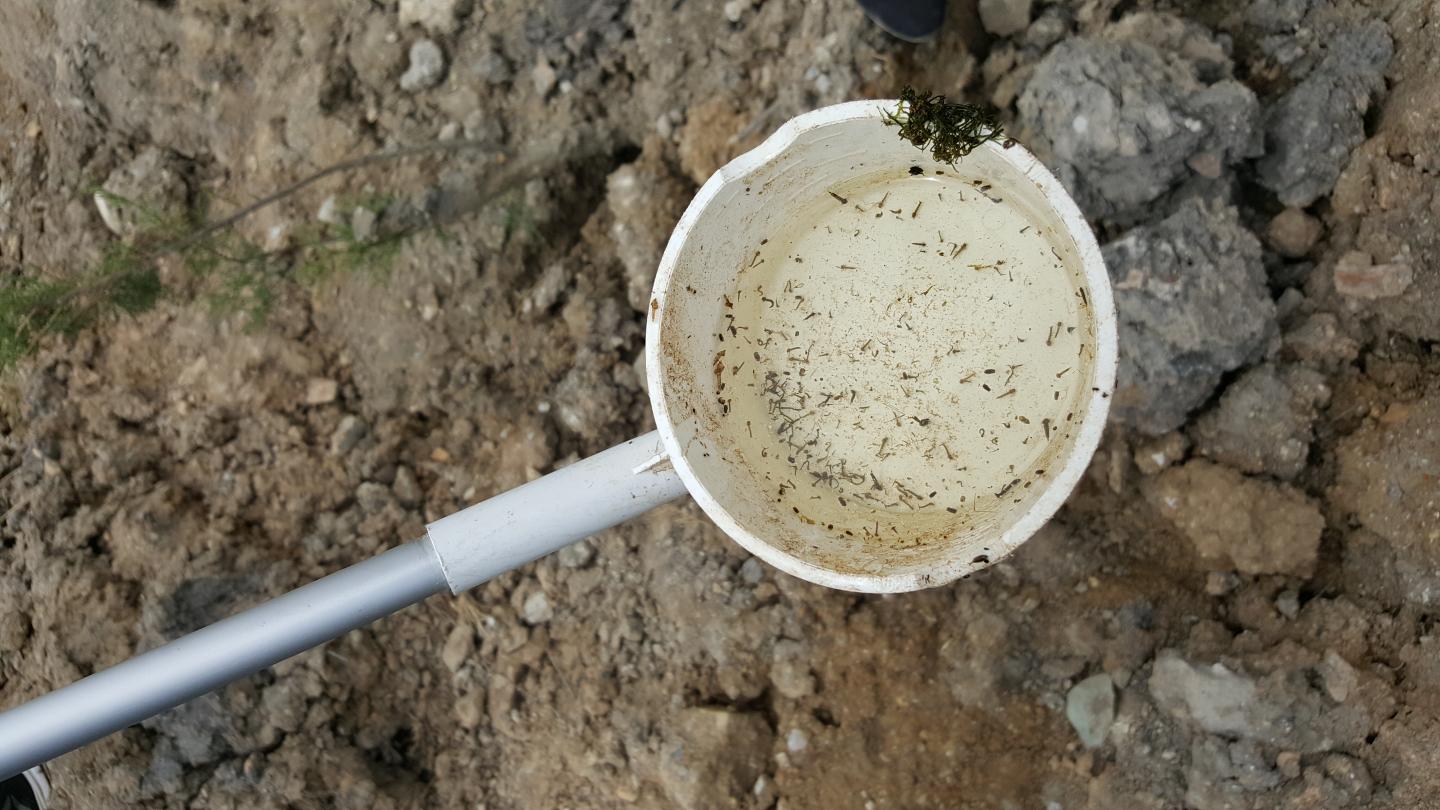
In a context of overuse of insecticides, which leads to the selection of resistant mosquitoes, it is already known that this resistance to insecticides affects interactions between mosquitoes and the pathogens they transmit. Researchers from the Institut Pasteur (Paris) and its partners prove that mechanisms of insecticide resistance, observed in Culex quinquefasciatus vector, impact the transmission of West Nile virus.

Over the last decades, arthropod-borne viruses (arboviruses) that affect human health such as dengue, chikungunya, Zika or West Nile viruses have taken the center stage owing to epidemic outbreaks or even pandemics affecting the world. In the absence of vaccines and therapeutic treatments, the control of arboviruses relies mainly on the control of mosquito populations.

The consequences of the overuse of insecticides

The use of insecticides has long been the unique method to reduce mosquito densities and thus interrupt the transmission of arboviruses. However, the overuse of insecticides leads to the selection of mosquitoes with insecticide resistance genes. Insecticide resistance has been reported to affect interactions between mosquitoes and the pathogens they transmit.

“We provide the first evidence of the impact of two main mechanisms of insecticide resistance on arbovirus transmission”, explains Anna-Bella Failloux, Head of the Arboviruses and Insect Vectors laboratory at the Institut Pasteur.

Vector competence to two arboviruses

“Using experimental infections, we compared the vector competence of insecticide-resistant and -susceptible Culex quinquefasciatus mosquitoes (target modification and overproduction of detoxification enzymes) to two arboviruses, Rift Valley fever virus (RVFV) and West Nile Virus (WNV).” For RVFV, vector competence remains unchanged whether the mosquito is resistant or susceptible. However, resistant mosquitoes transmit better WNV than susceptible mosquitoes.

“Our results underscore the importance of understanding the effects of insecticide resistance on vector competence and require reconsidering vector control strategies by limiting the production of insecticide-resistant mosquitoes.”

###

Media Contact
Aurélie Perthuison
[email protected]

Original Source

https://www.pasteur.fr/en/research-journal/insecticide-resistance-genes-affect-vector-competence-west-nile-virus

Related Journal Article

http://dx.doi.org/10.1098/rspb.2018.2273

Tags: AgricultureBiologyEcology/EnvironmentEntomologyEnvironmental HealthFertilizers/Pest ManagementVirology
Share12Tweet8Share2ShareShareShare2

Related Posts

Ancient Plant Populations Reveal Fresh Insights into Climate Resilience — Biology

Ancient Plant Populations Reveal Fresh Insights into Climate Resilience

May 8, 2026
Rare Brain Disorders in Children Linked to Mutations in Lesser-Known Protein Complex — Biology

Rare Brain Disorders in Children Linked to Mutations in Lesser-Known Protein Complex

May 8, 2026

From Odd Insect to Underwater Predator: The Remarkable Evolution of a Bloodthirsty Fruit Fly

May 8, 2026

SNU Professor Sangwoo Seo’s Team Develops Next-Generation CRISPR Biocontainment Technology to Control Microbial Survival Without DNA Cleavage

May 8, 2026
Please login to join discussion

POPULAR NEWS

  • Research Indicates Potential Connection Between Prenatal Medication Exposure and Elevated Autism Risk

    840 shares
    Share 336 Tweet 210
  • New Study Reveals Plants Can Detect the Sound of Rain

    727 shares
    Share 290 Tweet 181
  • Scientists Investigate Possible Connection Between COVID-19 and Increased Lung Cancer Risk

    68 shares
    Share 27 Tweet 17
  • Salmonella Haem Blocks Macrophages, Boosts Infection

    61 shares
    Share 24 Tweet 15

About

We bring you the latest biotechnology news from best research centers and universities around the world. Check our website.

Follow us

Recent News

Evaluating Digoxin Use in Patients with Symptomatic Rheumatic Heart Disease

Evaluating the Effectiveness and Safety of Digitalis Glycosides in Treating Heart Failure

Urdu Fall Risk Questionnaire Adapted for Elderly

Subscribe to Blog via Email

Success! An email was just sent to confirm your subscription. Please find the email now and click 'Confirm' to start subscribing.

Join 82 other subscribers
  • Contact Us

Bioengineer.org © Copyright 2023 All Rights Reserved.

Welcome Back!

Login to your account below

Forgotten Password?

Retrieve your password

Please enter your username or email address to reset your password.

Log In
No Result
View All Result
  • Homepages
    • Home Page 1
    • Home Page 2
  • News
  • National
  • Business
  • Health
  • Lifestyle
  • Science

Bioengineer.org © Copyright 2023 All Rights Reserved.