In a monumental leap for immunotherapy, researchers from Albert Einstein College of Medicine have unveiled a groundbreaking method to engineer immune cells with unprecedented durability and efficacy, potentially revolutionizing treatments for blood cancers and HIV. Published recently in Science Advances, this study presents a sophisticated modular protein scaffold technique that redefines how Chimeric Antigen Receptor T (CAR-T) cells are produced, ultimately lengthening their survival and enhancing their disease-fighting prowess far beyond current standards.
The origin of CAR-T therapy lies in genetically reprogramming a patient’s own T cells to seek and destroy malignant or virally infected cells. This is achieved by extracting T cells, engineering them with CAR constructs that precisely target specific antigens, and reinfusing these altered cells back into the patient’s system. Despite its initial clinical successes—marked by rapid remission in many blood cancer patients—the longevity of CAR-T effects has been a consistent challenge. Cells gradually lose their cytotoxic vigour, and approximately half of recipients face cancer relapse, highlighting the need for a durable cell product that supports long-term immune surveillance.
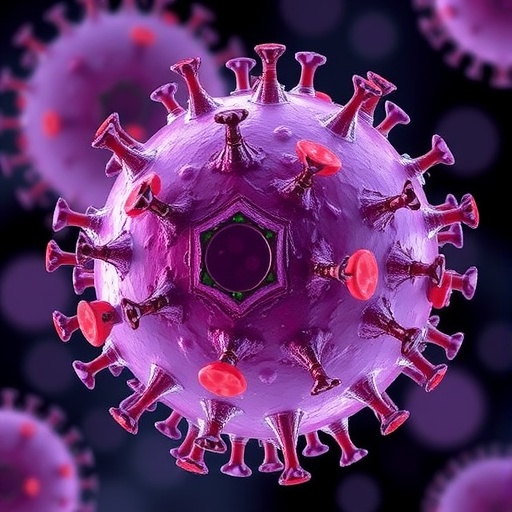
Equally compelling is the intervention’s application against HIV, a virus notorious for hiding in latent reservoirs within immune cells. Current antiretroviral therapies (ART) suppress active viral replication but do not purge these reservoirs, necessitating lifelong medication with associated systemic toxicities. CAR-T cells engineered to not only attack infected cells but also persist long-term could offer a functional cure, controlling the virus in the absence of continuous drug therapy, a feat yet to be realized.
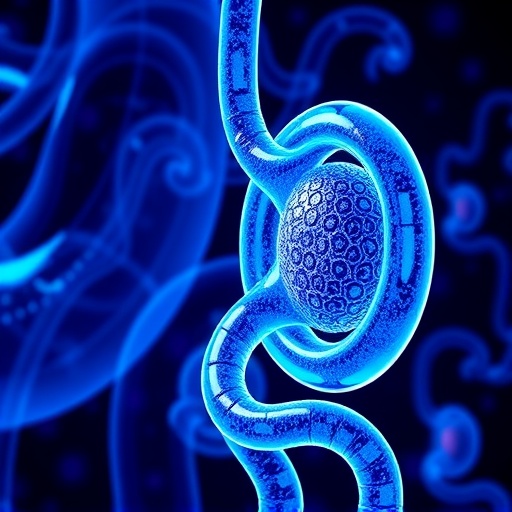
Central to this innovation is the design and implementation of a tri-cytokine fusion protein scaffold dubbed HCW9206, integrating IL-7, IL-15, and IL-21. These cytokines individually are integral to T cell homeostasis, survival, and memory formation, but their fusion into a single scaffold synergistically amplifies signals promoting the generation of durable CAR-T populations enriched in T memory stem cells (T_SCM). T_SCM cells represent a unique subset distinguished by their longevity, self-renewal capacity, and ability to differentiate into potent effector cells, thereby maintaining continuous immune protection.
The engineering process yields a CAR-T product with over 50% T_SCM phenotype cells, a stark contrast to the less than 5% achieved by conventional manufacturing. This shift profoundly impacts functional durability since T_SCM cells sustain prolonged antigen-specific responses, reconstituting the active cytotoxic pool over extended periods. The implications of this are pivotal for preventing relapse and managing chronic infections, where sustained immune pressure is critical.
Experimental murine models of human leukemia provided compelling validation. While both standard and scaffold-fabricated CAR-T cells initially eradicated cancerous cells effectively, only the multi-cytokine scaffold-modified cells re-expanded after subsequent tumor re-challenge, demonstrating a robust recall response that prevented disease resurgence. This property underscores the scaffold’s capacity to cultivate a cellular product capable of immunological memory akin to natural adaptive immunity.
Parallel investigations in a humanized mouse HIV model revealed that scaffold-engineered CAR-T cells manifested significantly greater antiviral activity, eradicating more HIV-infected cells compared to their standard counterparts. Notably, when applied to T cells derived from HIV-positive patients, the multi-cytokine scaffold methodology successfully eliminated infected cells, signaling readiness for translational adaptation.
Beyond therapeutic efficacy, this research suggests a refinement in CAR-T manufacturing protocols that could redefine the logistical and clinical paradigms of cell-based therapies. By incorporating cytokine signals that guide differentiation towards a stem memory phenotype at the point of ex vivo expansion, clinicians may enhance both the efficacy and sustainability of treatments, reducing relapse rates and potentially minimizing the need for repeated cell infusions.
Harris Goldstein, M.D., the study’s senior author and a leading figure in immunotherapy, emphasizes the transformative potential of this discovery. He envisions future CAR-T treatments not simply as transient tumor killers but as living drugs capable of self-renewal and persistent vigilance. This paradigm shift offers hope for cancer patients grappling with relapse and for millions living with HIV who currently require lifelong medication.
Further reinforcing the translational promise, the multi-cytokine scaffold’s design leverages subtle immunobiological principles. Each incorporated cytokine plays distinct but complementary roles: IL-7 fosters naive and memory T cell survival; IL-15 supports proliferative fitness and longevity; and IL-21 enhances functionality and memory phenotype maintenance. Together, by structurally uniting these cytokines, the scaffold creates a molecular milieu that biases the T cell culture towards a stem-like, self-maintaining state.
Notably, this approach addresses a critical manufacture bottleneck—current culture methods often drive T cells towards terminal differentiation or exhaustion, limiting their lifespan and efficacy. The cytokine fusion scaffold circumvents this by promoting a less differentiated, more therapeutically advantageous phenotype, a remarkable feat in cellular engineering that melds immunology with protein design.
The study was authored by a collaborative team spanning multiple institutions, including Einstein, Rockefeller University, HCW Biologics, Caring Cross, and the University of Texas Southwestern Medical Center. Funding was provided by the National Institutes of Health, underlining the significance of public investment in pioneering biomedical research.
Looking ahead, this cytokine fusion scaffold strategy may redefine standards across the burgeoning CAR-T field. The capacity to engineer CAR-T cells with intrinsic resilience and memory opens new horizons for tackling not only hematologic malignancies but infectious diseases characterized by persistent reservoirs or chronic infection. Moreover, it invites exploration of similar scaffold-based approaches to fine-tune cellular therapies targeting solid tumors and autoimmune disorders.
By revitalizing CAR-T cell longevity through molecular engineering of the ex vivo environment, the study heralds a future where living drugs maintain robust, durable antitumor and antiviral immunity. Such advancements push the envelope of personalized medicine, with the promise of delivering sustained remission, reduced relapse, and functional cures to patients worldwide.
Subject of Research: Animals
Article Title: IL-7/IL-15/IL-21 cytokine-fusion scaffold generates highly functional CAR-T cells enriched in long-lived T memory stem cells
News Publication Date: 13-Mar-2026
Image Credits: Albert Einstein College of Medicine
Keywords: Blood cancer, Leukemia, Cancer, Immune cells
Tags: blood cancer treatment innovationCAR T cell therapy advancementsenhanced CAR-T cell durabilitygenetically engineered T cellsHIV latent reservoir targetingimmune cell engineering methodsimmunotherapy for HIV and cancerimproved cancer relapse preventionlong-lasting immunotherapymodular protein scaffold techniquenext-generation CAR T cellsprolonged disease-fighting immune cells