• HOME
  • NEWS
  • EXPLORE
    • CAREER
      • Companies
      • Jobs
    • EVENTS
    • iGEM
      • News
      • Team
    • PHOTOS
    • VIDEO
    • WIKI
  • BLOG
  • COMMUNITY
    • FACEBOOK
    • INSTAGRAM
    • TWITTER
Sunday, May 24, 2026
BIOENGINEER.ORG
No Result
View All Result
  • Login
  • HOME
  • NEWS
  • EXPLORE
    • CAREER
      • Companies
      • Jobs
        • Lecturer
        • PhD Studentship
        • Postdoc
        • Research Assistant
    • EVENTS
    • iGEM
      • News
      • Team
    • PHOTOS
    • VIDEO
    • WIKI
  • BLOG
  • COMMUNITY
    • FACEBOOK
    • INSTAGRAM
    • TWITTER
  • HOME
  • NEWS
  • EXPLORE
    • CAREER
      • Companies
      • Jobs
        • Lecturer
        • PhD Studentship
        • Postdoc
        • Research Assistant
    • EVENTS
    • iGEM
      • News
      • Team
    • PHOTOS
    • VIDEO
    • WIKI
  • BLOG
  • COMMUNITY
    • FACEBOOK
    • INSTAGRAM
    • TWITTER
No Result
View All Result
Bioengineer.org
No Result
View All Result
Home NEWS Science News Health

Inducing labor at 39 weeks reduces risks of C-section and other complications

Bioengineer by Bioengineer
April 25, 2018
in Health
Reading Time: 2 mins read
0
Share on FacebookShare on TwitterShare on LinkedinShare on RedditShare on Telegram
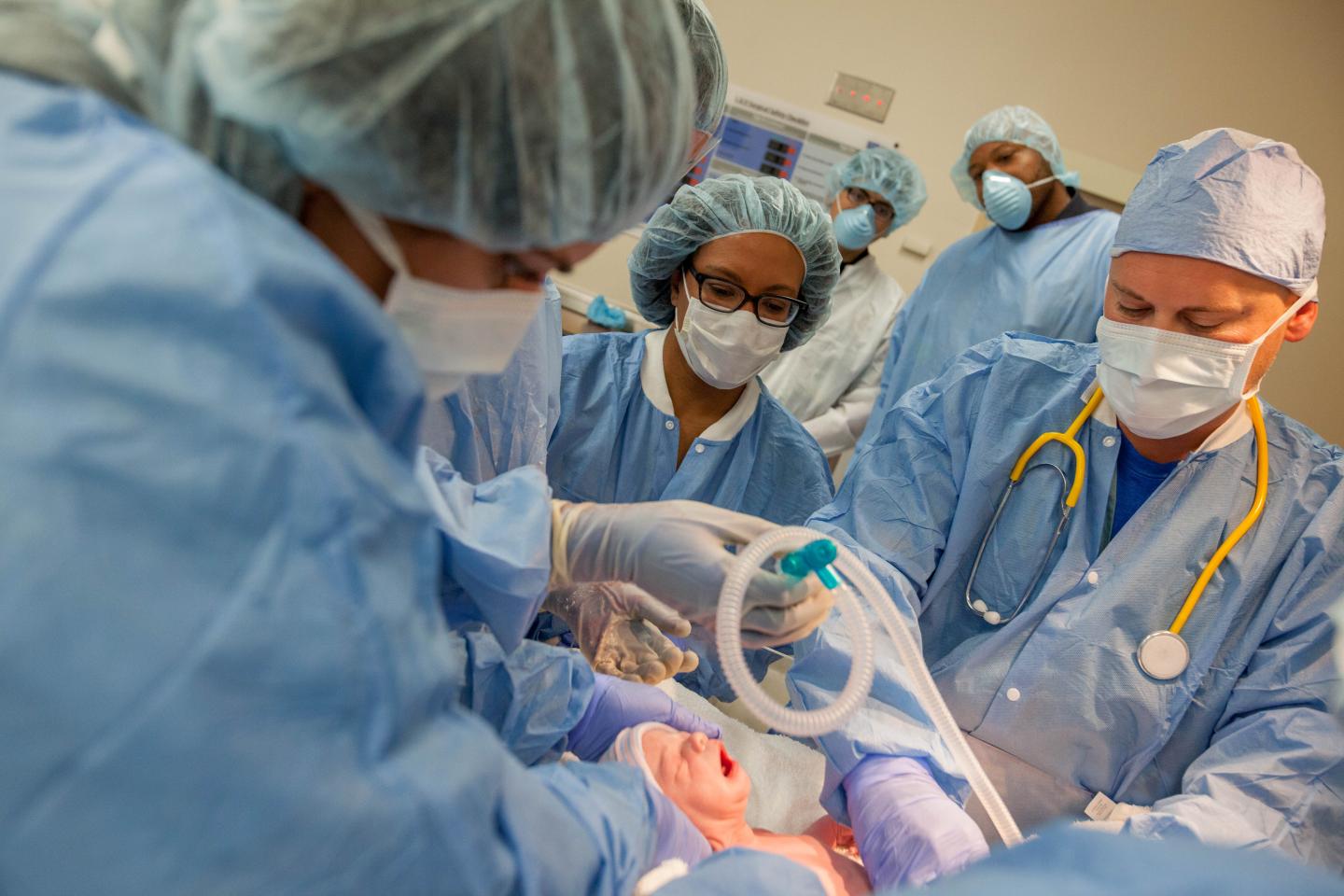
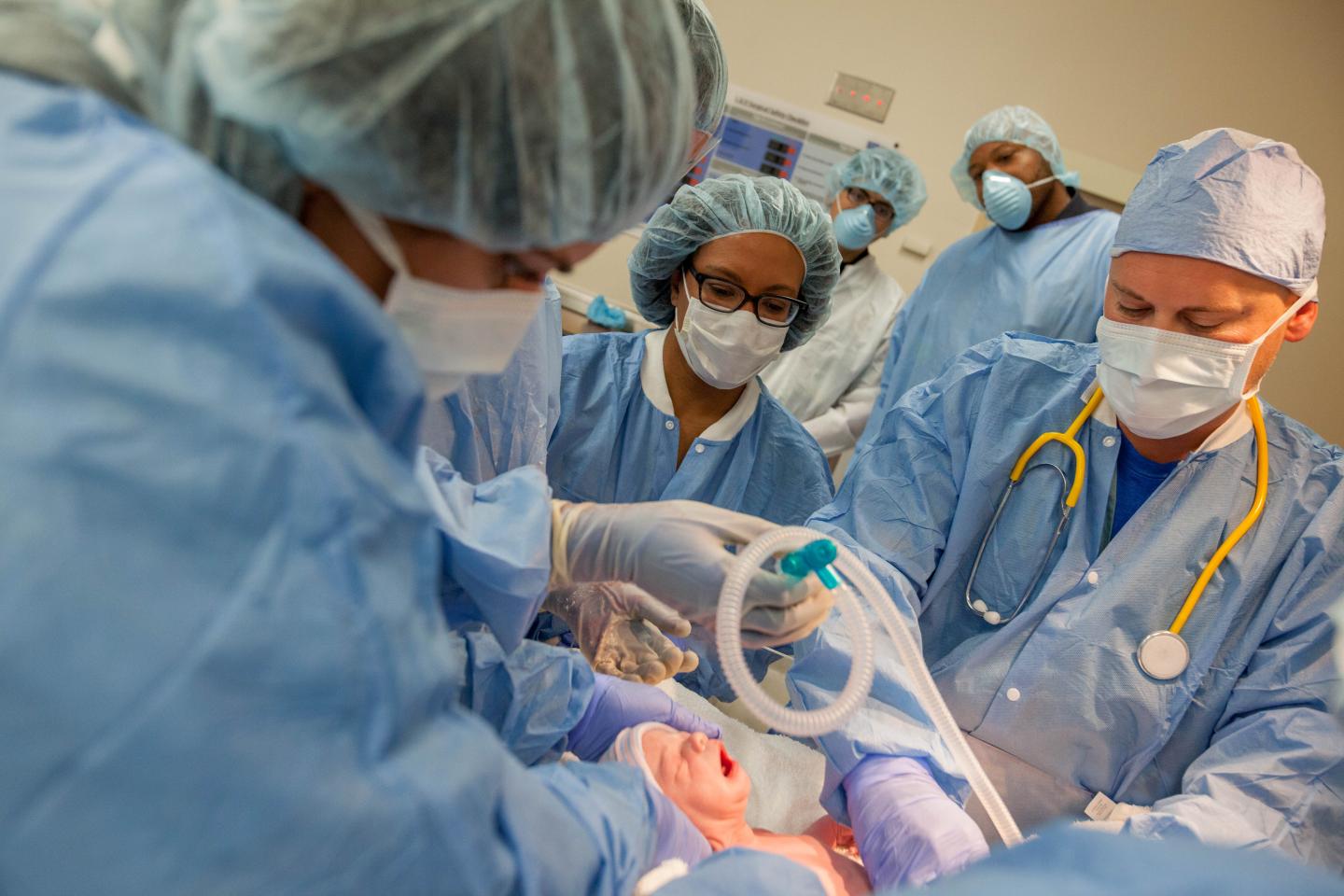
IMAGE

Credit: Sandra Roa

TAMPA, Fla. (April 25, 2018) – It's better to induce than to watch and wait. That's the result of a new study published in PLOS ONE. Researchers at the University of South Florida Morsani College of Medicine found first-time healthy mothers electively induced (artificially stimulated) at 39 weeks are at less risk of cesarean delivery and other serious complications compared to those induced after 41 weeks. Obstetricians generally recommend the procedure at that point since the pregnancy is considered "late-term" and the placenta has more difficulty providing essential nutrients and oxygen to the fetus, increasing the chances of stillbirth and risks to the mother.

There's long been uncertainty about what happens during that three-week timeframe. So USF researchers simulated patient outcomes by creating a rigorous mathematical model based on 100,000 patients, data collected by the National Institute of Health's Safe Labor Consortium. They found compared to elective induction at 39 weeks, waiting to induce labor until after 41 weeks resulted in increased:

  • C-section rates (35.9 vs. 13.9 percent)
  • Maternal complications, such as preeclampsia and uterine rupture (21.2 vs. 16.5 percent)
  • Stillbirths (0.13 vs. 0 percent)
  • Newborn deaths (0.25 vs. 0.12 percent)
  • Severe neonatal complications, such as respiratory distress and shoulder dystocia (12.1 vs. 9.4 percent)

"Safely preventing primary cesarean deliveries, stillbirths and reducing other perinatal complications are of the greatest concern," said principal investigator Charles J. Lockwood, MD, senior vice president for USF Health and dean of the Morsani College of Medicine. "Sometimes clinicians do something because that is the way it's always been done. These findings demonstrate the importance of strong evidence-based research in informing and shaping standards of care."

###

The study authors conclude they recognize not all women nor their providers desire elective inductions and recommend patients have the final say on the timing and mode of delivery. Lead author Rachel Sinkey, MD, notes more study is needed to address health care system logistics and associated costs. Dr. Sinkey conducted the research when she was a maternal-fetal medicine fellow at USF Health and is now an assistant professor of obstetrics and gynecology in the Division of Maternal-Fetal Medicine, University of Alabama at Birmingham.

The USF findings were recently corroborated by the National Institutes of Health-supported ARRIVE trial, which also found inducing labor at 39 weeks in low-risk pregnant women resulted in fewer cesarean deliveries without a significant difference in health outcomes for mothers and infants.

Media Contact

Tina Meketa
[email protected]
813-955-2593

http://www.hsc.usf.edu

Share12Tweet8Share2ShareShareShare2

Related Posts

RBM20 Isoform Control Shapes Splicing in Health

May 24, 2026

ZNF274 Blocks Lineage Switch, Fuels CDK7 Drug Resistance

May 24, 2026

Evaluating School Policies During COVID-19 Pandemic

May 24, 2026

Deep Phenotyping Reveals Skin Remodeling in Sclerosis Treatment

May 24, 2026
Please login to join discussion

POPULAR NEWS

  • ESMO 2025: mRNA COVID Vaccines Enhance Efficacy of Cancer Immunotherapy

    313 shares
    Share 125 Tweet 78
  • New Study Reveals Plants Can Detect the Sound of Rain

    734 shares
    Share 293 Tweet 183
  • Research Indicates Potential Connection Between Prenatal Medication Exposure and Elevated Autism Risk

    847 shares
    Share 339 Tweet 212
  • Common Food Preservatives Associated with Elevated Blood Pressure and Increased Heart Disease Risk

    55 shares
    Share 22 Tweet 14

About

We bring you the latest biotechnology news from best research centers and universities around the world. Check our website.

Follow us

Recent News

Nanofiber Self-Adhesive Electrode with PEDOT, Polyurethane

RBM20 Isoform Control Shapes Splicing in Health

Pediatric Weight Management: Insights from Primary Care Providers

Subscribe to Blog via Email

Enter your email address to subscribe to this blog and receive notifications of new posts by email.

Join 83 other subscribers
  • Contact Us

Bioengineer.org © Copyright 2023 All Rights Reserved.

Welcome Back!

Login to your account below

Forgotten Password?

Retrieve your password

Please enter your username or email address to reset your password.

Log In
No Result
View All Result
  • Homepages
    • Home Page 1
    • Home Page 2
  • News
  • National
  • Business
  • Health
  • Lifestyle
  • Science

Bioengineer.org © Copyright 2023 All Rights Reserved.