• HOME
  • NEWS
  • EXPLORE
    • CAREER
      • Companies
      • Jobs
    • EVENTS
    • iGEM
      • News
      • Team
    • PHOTOS
    • VIDEO
    • WIKI
  • BLOG
  • COMMUNITY
    • FACEBOOK
    • INSTAGRAM
    • TWITTER
Saturday, May 16, 2026
BIOENGINEER.ORG
No Result
View All Result
  • Login
  • HOME
  • NEWS
  • EXPLORE
    • CAREER
      • Companies
      • Jobs
        • Lecturer
        • PhD Studentship
        • Postdoc
        • Research Assistant
    • EVENTS
    • iGEM
      • News
      • Team
    • PHOTOS
    • VIDEO
    • WIKI
  • BLOG
  • COMMUNITY
    • FACEBOOK
    • INSTAGRAM
    • TWITTER
  • HOME
  • NEWS
  • EXPLORE
    • CAREER
      • Companies
      • Jobs
        • Lecturer
        • PhD Studentship
        • Postdoc
        • Research Assistant
    • EVENTS
    • iGEM
      • News
      • Team
    • PHOTOS
    • VIDEO
    • WIKI
  • BLOG
  • COMMUNITY
    • FACEBOOK
    • INSTAGRAM
    • TWITTER
No Result
View All Result
Bioengineer.org
No Result
View All Result
Home NEWS Science News Biology

In-vitro reproduction of long-lasting effects of stress on memory

Bioengineer by Bioengineer
February 10, 2018
in Biology
Reading Time: 1 min read
0
Share on FacebookShare on TwitterShare on LinkedinShare on RedditShare on Telegram
IMAGE

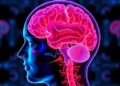
A group of researchers at Osaka University, succeeded in reproduction of the same phenomenon as memory consolidation by using organotypic slice cultures of the cerebral cortex and revealed that stress interfered with memory consolidation. As cultures can be maintained for a long period, it is possible to examine long-term effects. This group's achievement will be useful for developing therapeutic methods for and preventive measures against stress-induced memory defects.

Keiko Tominaga-Yoshino, Associate Professor and Akihiko Ogura, Professor at Graduate School of Frontier Biosciences, Osaka University had previously found that repeated stimulus to organotypic slice cultures of the cerebral cortex formed new synapses, which is the same phenomenon as the repetition-dependent memory consolidation process, and examined its mechanism.

In this research, the group elucidated that synapse formation is inhibited by the reproduction of stress known to cause memory defects.

Humans and animals have innate self-protecting mechanisms for alleviating stress. This is why it was difficult to determine if the results of animal experiments were affected by the stress applied by experimenters or by the effects from animals' homeostatic response. Therefore, some conflicting results had been reported. However, in the in vitro system, the effects applied by experimenters can be directly examined and will be helpful for the development of drugs or treatments that reduce stress-related brain defects.

###

Media Contact

Akihiko Ogura
[email protected]
81-687-94661
@osaka_univ_e

http://www.osaka-u.ac.jp/en

Share12Tweet8Share2ShareShareShare2

Related Posts

Uncovering C. elegans Immunity via Genetic Screens — Biology

Uncovering C. elegans Immunity via Genetic Screens

May 16, 2026
Single mother must adapt swiftly — the survival of her colony depends on it — Biology

Single mother must adapt swiftly — the survival of her colony depends on it

May 15, 2026

Why Are Nearly Everyone Right-Handed? It Might Be Linked to How We Learned to Walk

May 15, 2026

Excessive Neuronal Activity Initiates Severe Autoimmune Brain Disorder

May 15, 2026
Please login to join discussion

POPULAR NEWS

  • Research Indicates Potential Connection Between Prenatal Medication Exposure and Elevated Autism Risk

    844 shares
    Share 338 Tweet 211
  • New Study Reveals Plants Can Detect the Sound of Rain

    730 shares
    Share 291 Tweet 182
  • Salmonella Haem Blocks Macrophages, Boosts Infection

    62 shares
    Share 25 Tweet 16
  • Breastmilk Balances E. coli and Beneficial Bacteria in Infant Gut Microbiomes

    58 shares
    Share 23 Tweet 15

About

We bring you the latest biotechnology news from best research centers and universities around the world. Check our website.

Follow us

Recent News

New Blood Test Detects Tumor DNA to Guide Treatment in Advanced Cancer Cases

Transitional Care Boosts Heart Failure Outcomes in Elders

Low-Power Enhanced I2C Controller: RTL to GDSII

Subscribe to Blog via Email

Enter your email address to subscribe to this blog and receive notifications of new posts by email.

Join 82 other subscribers
  • Contact Us

Bioengineer.org © Copyright 2023 All Rights Reserved.

Welcome Back!

Login to your account below

Forgotten Password?

Retrieve your password

Please enter your username or email address to reset your password.

Log In
No Result
View All Result
  • Homepages
    • Home Page 1
    • Home Page 2
  • News
  • National
  • Business
  • Health
  • Lifestyle
  • Science

Bioengineer.org © Copyright 2023 All Rights Reserved.