• HOME
  • NEWS
  • EXPLORE
    • CAREER
      • Companies
      • Jobs
    • EVENTS
    • iGEM
      • News
      • Team
    • PHOTOS
    • VIDEO
    • WIKI
  • BLOG
  • COMMUNITY
    • FACEBOOK
    • INSTAGRAM
    • TWITTER
Wednesday, April 15, 2026
BIOENGINEER.ORG
No Result
View All Result
  • Login
  • HOME
  • NEWS
  • EXPLORE
    • CAREER
      • Companies
      • Jobs
        • Lecturer
        • PhD Studentship
        • Postdoc
        • Research Assistant
    • EVENTS
    • iGEM
      • News
      • Team
    • PHOTOS
    • VIDEO
    • WIKI
  • BLOG
  • COMMUNITY
    • FACEBOOK
    • INSTAGRAM
    • TWITTER
  • HOME
  • NEWS
  • EXPLORE
    • CAREER
      • Companies
      • Jobs
        • Lecturer
        • PhD Studentship
        • Postdoc
        • Research Assistant
    • EVENTS
    • iGEM
      • News
      • Team
    • PHOTOS
    • VIDEO
    • WIKI
  • BLOG
  • COMMUNITY
    • FACEBOOK
    • INSTAGRAM
    • TWITTER
No Result
View All Result
Bioengineer.org
No Result
View All Result
Home NEWS Science News Biology

In the absence of bees, flies are responsible for pollination in the Arctic region

Bioengineer by Bioengineer
October 9, 2018
in Biology
Reading Time: 2 mins read
0
Share on FacebookShare on TwitterShare on LinkedinShare on RedditShare on Telegram
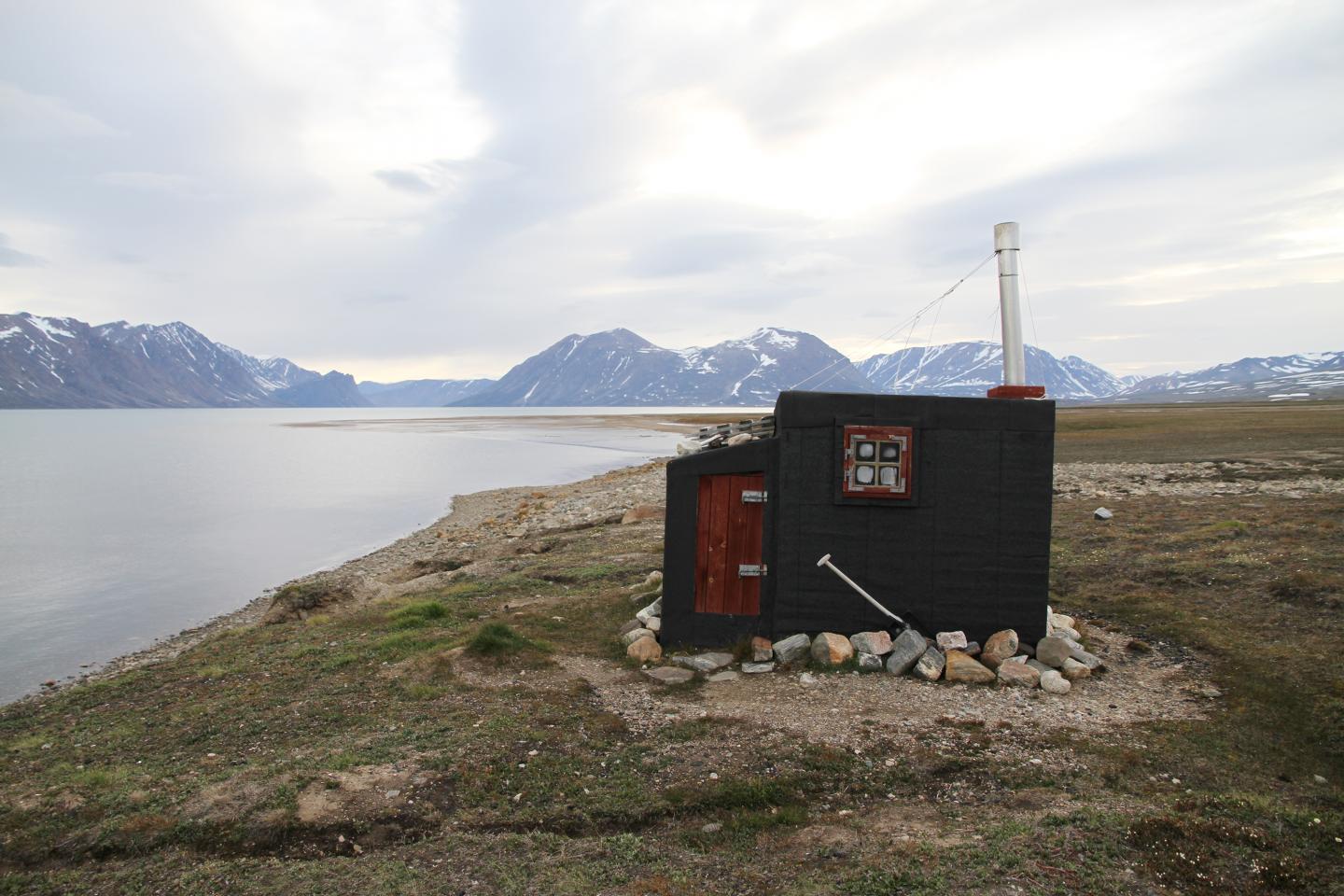
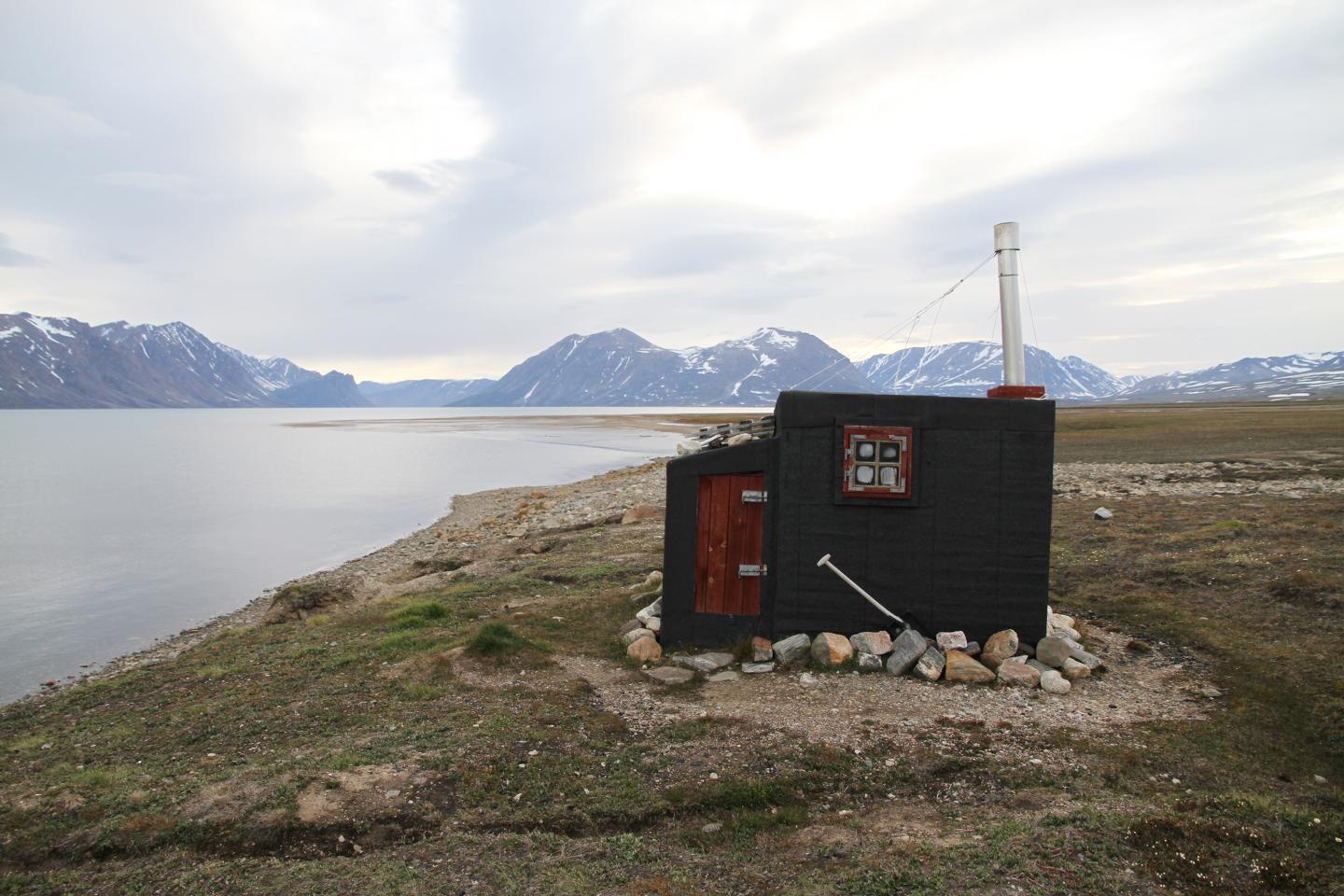
IMAGE

Credit: Mikko Tiusanen

Mikko Tiusanen, MSc, investigated in his doctoral dissertation the structure and functioning of plants and their pollinators in Arctic regions.

"Up north, there are very few apids, such as bees and bumblebees, so other insect groups bear the main responsibility for pollination," explains Tiusanen.

In his study, Tiusanen found that relatives of the ubiquitous housefly had a central role. These members of the Muscidae family are important pollinators, whose abundance impacts the seed production of northern plants.

The mountain avens hoards pollinators

Flowering in the Arctic occurs in the few weeks after the snow has melted. The subsequent profusion of flowers causes intensive competition for the pollination services provided by insects.

The abundant mountain avens with its attractive flowers hoards most of the pollinator visits, which leaves the pollination of rare and less attractive flowers particularly inadequate. At the height of mountain avens' blooming time, even their own seed production suffers from the competition for pollinators within the species itself.

During the flowering peak, pollinators insufficient for everyone

In the doctoral study, Arctic pollinator communities were found to be dominated by a few plant and insect species, resulting in insufficient pollinator numbers at the height of flowering.

"This is probably due to a decrease in pollinators. The number of Muscidae, the most important pollinators, has been in decline for the past twenty years. Additionally, plants and pollinators react differently to the warming climate, shifting their occurrence to different stages of the growing season," Tiusanen explains.

Are pollinator services sufficient elsewhere?

Global changes in habitats result in declining biodiversity, which disrupts ecosystems and their ability to produce ecosystem services. For example, the decline in insect populations, pollinators in particular, may have significant effects on food production and, thus, the entire human race.

"Arctic communities are not the only pollinator communities dominated by a handful of species. Agricultural environments with their crops and western honey bees comprise a structurally similar community," notes Tiusanen.

As climate change and other human-induced environmental changes intensify, insect-pollinated plants and their pollinator communities must adapt to new conditions in both Arctic and southern regions.

###

Further information:

Mikko Tiusanen
University of Helsinki
Faculty of Biological and Environmental Sciences and Faculty of Agriculture and Forestry
Spatial Foodweb Ecology Group
[email protected]

Media Contact

Mikko Tiusanen
[email protected]
@helsinkiuni

http://www.helsinki.fi/university/

Original Source

https://www.helsinki.fi/en/news/life-science-news/in-the-absence-of-bees-flies-are-responsible-for-pollination-in-the-arctic-region

Share12Tweet7Share2ShareShareShare1

Related Posts

blank

Advancing Precision Medicine with Spatial Proteomics: Innovative Technologies, Bioinformatics, and Clinical Applications

April 15, 2026
Groundbreaking Ancient DNA Study Uncovers Accelerated Natural Selection in Recent Human Evolution

Groundbreaking Ancient DNA Study Uncovers Accelerated Natural Selection in Recent Human Evolution

April 15, 2026

Transpiration Peaks at Higher Temperature Than Photosynthesis

April 15, 2026

Scientists Transform AI-Designed Proteins into Advanced Molecular Sensors

April 15, 2026
Please login to join discussion

POPULAR NEWS

  • Scientists Investigate Possible Connection Between COVID-19 and Increased Lung Cancer Risk

    61 shares
    Share 24 Tweet 15
  • Boosting Breast Cancer Risk Prediction with Genetics

    47 shares
    Share 19 Tweet 12
  • Popular Anti-Aging Compound Linked to Damage in Corpus Callosum, Study Finds

    45 shares
    Share 18 Tweet 11
  • Revolutionary Theory Transforms Quantum Perspective on the Big Bang

    41 shares
    Share 16 Tweet 10

About

We bring you the latest biotechnology news from best research centers and universities around the world. Check our website.

Follow us

Recent News

SCFFBXO42 Controls PP2A Degradation Pathway

Rapid Hepatitis C Testing at the Point of Care in Tribal Communities

Major DRUP Trial Reveals Untapped Potential of Established Cancer Therapies

Subscribe to Blog via Email

Enter your email address to subscribe to this blog and receive notifications of new posts by email.

Join 79 other subscribers
  • Contact Us

Bioengineer.org © Copyright 2023 All Rights Reserved.

Welcome Back!

Login to your account below

Forgotten Password?

Retrieve your password

Please enter your username or email address to reset your password.

Log In
No Result
View All Result
  • Homepages
    • Home Page 1
    • Home Page 2
  • News
  • National
  • Business
  • Health
  • Lifestyle
  • Science

Bioengineer.org © Copyright 2023 All Rights Reserved.