


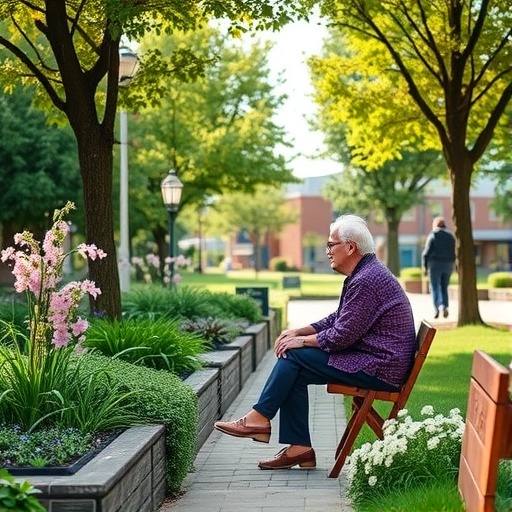
Urban green spaces have long been associated with various health benefits, particularly for older adults. A recently published participatory action research study conducted in Hong Kong by Lu, S., Chui, C., and Li, L. sheds light on this relationship. The research aims to bridge the gap in understanding how these green spaces can contribute positively to the mental well-being of older individuals. As urban environments become increasingly dense, the importance of accessible green spaces is more apparent than ever, especially for vulnerable populations such as senior citizens.
In Hong Kong, where rapid urbanization has dramatically reduced accessible natural environments, the role of parks and gardens cannot be overstated. The findings from this study reveal that older adults who frequently engage with their local green spaces report higher levels of mental well-being. Factors such as social interaction, exposure to nature, and recreational opportunities significantly contribute to this positive mental state. This integral connection highlights the necessity for urban planners to incorporate communal green areas in their designs to foster healthier communities.
The methodology employed in this study is commendable, featuring a participatory action research design that actively involves the community. Various stakeholders, including older adults, caregivers, and local organizations, were included in the research process. This not only enhances the reliability of the findings but also empowers the participants by involving them directly in the research. The study illustrates that older adults are not just subjects to be observed; they are active contributors whose insights can lead to improved urban planning initiatives.
Interestingly, the researchers identified several pathways through which urban green space enhances mental well-being. Engagement with nature has been shown to reduce stress levels and foster a sense of tranquility. For older adults, these green areas serve as vital spaces for exercise, which is crucial for both physical and mental health. Activities such as walking, gardening, or simply sitting in nature can fundamentally alter an individual’s mood and outlook, serving as a therapeutic counterbalance to urban stressors.
Social isolation is another significant concern for older adults, especially in densely populated urban areas. This study emphasizes the role of urban green spaces in promoting social interactions among seniors. Parks and community gardens often serve as meeting points where individuals can bond over shared interests or activities. In this way, green spaces facilitate community-building, offering older adults a sense of belonging and engagement that is essential for mental well-being.
Moreover, the direct relationship between sunlight exposure and mental health is reinforced by the research findings. Access to natural light, which is abundant in green spaces, has been proven to elevate mood and improve cognitive function. For older adults, who may be more susceptible to mood disorders, the presence of sunlight can make a remarkable difference in their overall mental state. This discovery underscores the need for cities to prioritize sunlight exposure in the design and placement of urban green spaces.
Urban green spaces also contribute to the cognitive health of the elderly. Engaging with the natural environment can stimulate the brains of older adults, keeping them cognitively active. According to the findings, activities in green spaces have been linked to a slower decline in cognitive abilities. The combination of physical activity and mental engagement provided by these environments is essential for maintaining both physical and cognitive health as individuals age.
Importantly, the study also sheds light on the disparities that exist in access to green spaces among different socio-economic groups. Often, lower-income neighborhoods are deprived of adequate green areas, which exacerbates existing inequalities in mental health outcomes. This inequity calls for targeted interventions from policymakers to ensure that all communities, regardless of economic status, have access to beneficial natural environments. As urbanization continues to progress, addressing these disparities will be crucial for equitable health outcomes for older adults.
The implications of this research reach beyond just local parks and gardens; they carry international significance. Urbanization is a global trend, and cities worldwide are facing similar challenges regarding green space availability. The insights drawn from Hong Kong’s participatory research can serve as a model for other urban centers grappling with the mental well-being of their aging populations. Collaborative efforts between government, researchers, and community members are essential for creating urban environments that promote health and well-being for all ages.
Overall, the research from Lu, S., Chui, C., and Li, L. provides a strong foundation for advocating the importance of urban green spaces in enhancing the mental well-being of older adults. As we consider the well-being of our aging population, it is essential to recognize and promote the vital role that nature plays in fostering health. Integration of green spaces into urban planning should not be viewed as an afterthought but rather as a critical component of a holistic approach to health in aging communities.
Cities must take heed of these findings and make deliberate efforts to augment the availability and accessibility of green spaces. Continuous dialogue between planners, health professionals, and the community will ensure that the needs of older adults are prioritized. By investing in urban green areas, we are investing in the mental health and well-being of our future generations. It’s high time for urban landscapes to bloom for the benefit of all, particularly for those who have contributed so much to our communities.
As the study demonstrates, the transformative power of urban green spaces cannot be underestimated. They have the potential to act as crucial counterbalances to the psychological toll of urban living. Given the growing urban population and the increasing risks of mental health issues, fostering environments that encourage interaction with nature can lead to healthier, happier cities. In this vital endeavor, the voices of older adults must be heard, ensuring that urban green spaces serve their future needs effectively.
With a growing stack of evidence supporting the benefits of urban greenery, the time is ripe for systemic changes. Green spaces should be woven into the very fabric of urban planning strategies, serving not just as recreational spots but as necessary components of public health infrastructure. Let’s commit to building cities that nurture mental well-being through accessible, vibrant, and engaging natural environments that all community members can enjoy. Urban planners and policymakers must seize this opportunity to create a sustainable and inclusive urban future.
Strong collaboration between researchers and urban planners can convert evidence into action. The findings from this study should inspire city officials and community leaders worldwide to take proactive measures toward increasing green spaces. This may include innovative solutions such as creating rooftop gardens, transforming vacant lots into community parks, or restoring abandoned areas to create natural havens amidst urban sprawl. Cities can no longer afford to overlook the profound benefits that nature provides for the health of their populations, especially for vulnerable older adults.
As the world continues to confront the realities of urbanization, we must not lose sight of the essential role that nature plays in our lives. Future research, like that conducted in Hong Kong, will continue to unveil these critical connections, reinforcing the notion that urban green spaces are not merely luxuries but necessities. The health of our older adults, and indeed our entire society, depends on our ability to nurture and grow our urban landscapes thoughtfully and intentionally.
Ultimately, mental well-being must be recognized as a fundamental human right, requiring holistic strategies encompassing social, environmental, and health dimensions. Only by prioritizing urban green spaces can we hope to create cities that foster inclusivity, health, and happiness for every individual, irrespective of age. The journey towards healthier urban environments begins now, with thoughtful actions informed by research and community involvement lighting the path forward.
Subject of Research: The impact of urban green spaces on the mental well-being of older adults in Hong Kong.
Article Title: Urban green space and mental well-being of older adults: participatory action research in Hong Kong.
Article References:
Lu, S., Chui, C., Li, L. et al. Urban green space and mental well-being of older adults: participatory action research in Hong Kong.
BMC Geriatr (2026). https://doi.org/10.1186/s12877-025-06953-y
Image Credits: AI Generated
DOI:
Keywords: Urban green spaces, mental well-being, older adults, Hong Kong, participatory action research, community health, social interaction, cognitive health, urban planning, environmental health.
Tags: benefits of parks for seniorscommunity involvement in urban planningenvironmental factors affecting seniorsfostering healthier communities through green spacesimportance of accessible green spacesmental well-being of older adultsnature exposure and mental healthparticipatory action research in urban settingsrecreational opportunities for elderlysocial interaction and mental healthurban green spaces for mental healthurbanization and mental health



