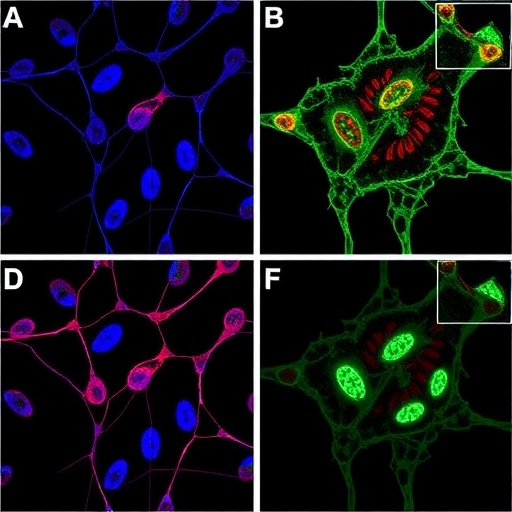
In a groundbreaking study published in Angiogenesis, researchers led by Dr. D. Yang have delved into the nuanced world of adipose-derived stem cells (ADSCs) sourced from patients with chronic spinal cord injuries. This cutting-edge investigation reveals alarming discoveries regarding the dysfunctional nature of vasculogenesis in these cells, presenting significant implications for the future of autologous cell therapy. As advances in regenerative medicine continue to unfold, the need to understand the underlying mechanisms of stem cell functionality becomes increasingly critical, especially in populations with complex health challenges such as spinal cord injuries.
At the heart of this research lies the exploration of vasculogenesis, the process through which new blood vessels form from endothelial cells. This dynamic biological phenomenon is requisite for effective tissue engraftment and regeneration, particularly when utilizing stem cells for therapeutic interventions. Patients suffering from chronic spinal cord injuries often endure a significant reduction in the regenerative capacity of their cells. This pivotal research focuses on elucidating the specific mechanisms behind this dysfunction, with the aim of optimizing therapeutic strategies and improving patient outcomes.
The researchers employed a comprehensive approach, analyzing ADSCs isolated from individuals with chronic spinal cord injuries. Through a series of meticulous experiments, they assessed the vasculogenic potential of these cells in vitro. Key findings indicated marked deficiencies in the cells’ ability to form capillary-like structures compared to ADSCs derived from healthy donors. These results underscore the varying capacities of stem cells based on their origin and the impact that chronic illness can have on their regenerative properties.
Further analysis revealed that the dysfunctional vasculogenesis in ADSCs from chronic spinal cord injury patients could be attributed to an altered cellular microenvironment. Factors such as chronic inflammation, oxidative stress, and metabolic dysregulation present in these patients were found to hinder the natural vasculogenic processes. This discovery is particularly important as it highlights the need for targeted interventions that can modulate the surrounding microenvironment to restore the inherent capabilities of ADSCs.
Moreover, the findings of this study are not merely academic; they possess profound implications for the landscape of autologous cell therapy. Autologous therapy, which utilizes a patient’s own cells for treatment, is heralded for its potential to minimize immunological rejection. However, the compromised functionality of ADSCs in certain patient populations necessitates a reevaluation of existing therapeutic protocols. This research serves as a clarion call for researchers and clinicians to develop improved strategies to enhance stem cell functionality, particularly for individuals with chronic health conditions.
An exciting avenue of exploration emerging from Yang et al.’s work involves the potential use of pharmacological agents or bioengineered scaffolding to create a conducive microenvironment for ADSCs during therapy. By addressing the factors that contribute to dysfunctional vasculogenesis, there is a promising path forward that could lead to enhanced regenerative outcomes for patients afflicted by spinal cord injuries. Techniques such as gene editing or the addition of growth factors may also hold the key to revitalizing the vasculogenic capabilities of these stem cells.
This research is particularly timely as the field of regenerative medicine races forward with innovative treatments for spinal cord injuries. Traditional modalities often fall short in terms of promoting meaningful recovery. This study offers a hopeful perspective, revealing that by understanding the molecular and cellular deficits in ADSCs, practitioners may be able to tailor therapies that yield better results.
As the investigators continue their work, they stress the importance of collaboration among clinicians, researchers, and bioengineers to push the boundaries of what is possible in regenerative medicine. By amalgamating insights from various disciplines, the potential to revolutionize treatment for spinal cord injuries appears more attainable than ever. The ultimate goal is to foster healing and functional recovery for patients who have long been limited by the consequences of their injuries.
In conclusion, the study by Yang et al. illuminates the complex interplay between stem cell biology and chronic illness, providing critical insights that pave the way for future research and clinical practices in autologous therapies. For patients with chronic spinal cord injuries, this research may herald a new era in regenerative medicine where tailored interventions could significantly enhance their quality of life.
As we continue to unearth the intricacies of stem cell dynamics and their environment, the strides made in this field will undoubtedly inspire hope and innovation. With ongoing investigations and the relentless pursuit of knowledge, we stand on the cusp of a revolution in how we approach healing and regeneration in the wake of severe injuries and debilitating conditions.
This pivotal research not only catalyzes future inquiries into regenerative therapies but also underscores the profound responsibility of the scientific community to harness these findings for the benefit of patients across the globe. The journey does not end here; rather, it marks a significant chapter in the continuing saga of how we understand and treat spinal cord injuries through the power of stem cells. The potential for improved therapies is vast, and with continued dedicated efforts, the possibilities for healing are boundless.
Subject of Research: Dysfunctional vasculogenesis in adipose-derived stem cells from chronic spinal cord injury patients.
Article Title: Dysfunctional vasculogenesis in adipose-derived stem cells from chronic spinal cord injury patients: implications for autologous cell therapy.
Article References:
Yang, D., Yang, L., Chen, J. et al. Dysfunctional vasculogenesis in adipose-derived stem cells from chronic spinal cord injury patients: implications for autologous cell therapy.
Angiogenesis 28, 55 (2025). https://doi.org/10.1007/s10456-025-10012-w
Image Credits: AI Generated
DOI: https://doi.org/10.1007/s10456-025-10012-w
Keywords: Adipose-derived stem cells, vasculogenesis, spinal cord injury, chronic illness, autologous cell therapy, regenerative medicine.
Tags: adipose-derived stem cells in spinal cord injuriesautologous cell therapy implicationsblood vessel formation and stem cellschronic health challenges and stem cellschronic spinal cord injury and stem cellsendothelial cell function in stem cellsimpaired vasculogenesis in stem cellsmechanisms of stem cell dysfunctionoptimizing stem cell therapy outcomesregenerative medicine for spinal cord injurystem cell research in regenerative medicinetherapeutic strategies for spinal cord injury