


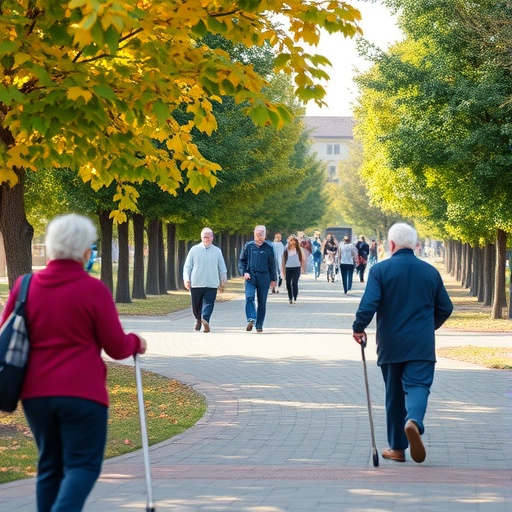
The demographic shift toward an aging population has become a pressing concern globally, reshaping not only healthcare systems but also focusing on the mobility and quality of life of older adults. Recent research, spearheaded by a team of experts including Onyeso, Scott, and Alumona, delves into the complex relationship between sociodemographic factors and the mobility of older adults. Through their systematic review and meta-analysis published in BMC Geriatrics, the researchers explore how variables such as age, gender, socioeconomic status, and living conditions influence mobility among this vulnerable demographic.
Understanding mobility is a crucial aspect of geriatric health, as it directly impacts independence and overall well-being. With an increasing number of older adults facing mobility challenges, the study examined various factors to uncover how societal structures can support or hinder movement among the elderly. Mobility is not just about physical capability; it encompasses the ability to engage with the environment, maintain social connections, and access necessary resources.
The researchers employed a rigorous methodology, analyzing existing studies that provided insights into the interplay of sociodemographic factors and mobility. This systematic approach allowed for a comprehensive understanding of the barriers that older adults face when trying to maintain an active lifestyle. The results of the meta-analysis underscore the significant variations in mobility based on age, gender, and socioeconomic factors, revealing that older women often face greater challenges compared to their male counterparts.
Additionally, the study highlights the influence of socioeconomic status, suggesting that individuals from lower socioeconomic backgrounds experience more mobility issues. This finding is particularly alarming, revealing systemic inequalities that serve to further marginalize already vulnerable populations. The researchers argue that policy interventions are necessary to address these disparities and enhance mobility for older adults, ensuring that everyone has the opportunity to maintain an active lifestyle without restrictions.
The research also provides important insights into geographical variations in mobility among older adults. Urban versus rural living has a significant impact on mobility, with older adults in rural areas facing additional challenges due to limited access to public transportation and healthcare facilities. The researchers found that older adults in urban settings generally reported better mobility levels, which can be attributed to greater availability of resources and support systems.
In addition to geographic considerations, the study extensively discusses the role of community support systems in enhancing mobility for older adults. Areas with active community programs, pedestrian-friendly infrastructure, and access to healthcare services were found to have higher levels of mobility. This underscores the importance of community planning and policy-making in addressing the unique needs of an aging population.
Moreover, the researchers note the implications of mobility on mental health. Limited mobility can lead to feelings of isolation, depression, and anxiety among older adults. The inability to engage in social activities can create a feedback loop, further diminishing physical mobility and overall quality of life. The findings suggest that improving mobility is not merely a physical issue; it is intrinsically linked to mental well-being and social inclusion.
The study calls for a multi-faceted approach to tackling mobility challenges faced by older adults. Interventions must be tailored to the specific needs of different demographic groups, taking into account factors such as cultural background, economic status, and living environments. Collaboration between health professionals, policymakers, and community organizations is essential in creating sustainable solutions.
As the world continues to grapple with the challenges posed by an aging population, the findings from this systematic review serve as a crucial reminder of the importance of inclusive practices. By promoting policies that support mobility for all older adults, societies can improve the overall health and quality of life for this demographic. Staying active and mobile not only enhances individual well-being but can also foster a more connected and supportive community.
In conclusion, the research conducted by Onyeso, Scott, and Alumona provides vital insights into the factors affecting mobility among older adults. Their comprehensive meta-analysis not only highlights the pressing issues faced by this demographic but also offers actionable recommendations for improving mobility and, ultimately, the quality of life. As the population ages, it is imperative that we prioritize the needs of older adults and advocate for systemic changes that address mobility challenges.
The importance of mobility in the context of aging cannot be overstated; as older adults seek to maintain independence and engage with the world around them, understanding the implications of sociodemographic factors is key. With continued research and adaptive policy measures, society can lay the groundwork for a future where older adults thrive by enhancing their mobility and overall quality of life.
Subject of Research: Sociodemographic factors impacting mobility among older adults.
Article Title: Association between sociodemographic factors and mobility among older adults: a systematic review and meta-analysis.
Article References:
Onyeso, O.K., Scott, D.R., Alumona, C.J. et al. Association between sociodemographic factors and mobility among older adults: a systematic review and meta-analysis.
BMC Geriatr (2026). https://doi.org/10.1186/s12877-026-06984-z
Image Credits: AI Generated
DOI: 10.1186/s12877-026-06984-z
Keywords: Mobility, older adults, sociodemographic factors, systematic review, meta-analysis, healthcare, aging population.
Tags: access to resources for elderly mobilityaging population and healthcarebarriers to mobility for older adultselderly mobility challengesenvironmental influences on elderly movementgender differences in elderly mobilityimpact of socioeconomic status on mobilityindependence and well-being in geriatric healthliving conditions and mobility in older adultsmaintaining social connections in agingsociodemographic factors affecting mobilitysystematic review of elderly mobility studies



