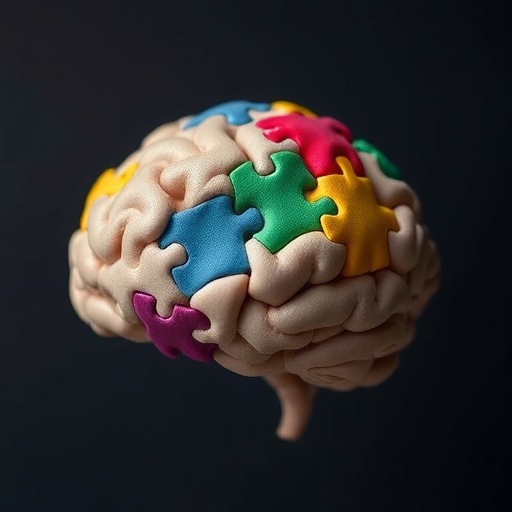
In an age where understanding and supporting the diverse needs of autistic children is paramount, pioneering research continues to illuminate the pathways for effective interventions. The latest study led by Özcan and Kaya delves into the intricacies of motor support programs and their profound impact on the multidimensional development of children diagnosed with Autism Spectrum Disorder (ASD). The findings, set to be published in the prestigious Journal of Autism and Developmental Disorders, offer not only a theoretical foundation for existing practices but also practical applications that could reshape how caregivers and educators approach developmental challenges faced by autistic children.
The significance of such research cannot be overstated. Autism is a complex neurodevelopmental condition that affects social interaction, communication, and behavior. Children with autism often present with unique profiles that necessitate a tailored and comprehensive approach to development. Traditional methods have focused heavily on cognitive and social strategies, yet the physical aspect of development—namely motor skills—has been relatively underexplored. The study by Özcan and Kaya seeks to fill this gap by systematically examining the effectiveness of a structured motor support program.
At the core of the research is the premise that motor skills are foundational to overall development. From fine motor skills, like writing and using tools, to gross motor skills that include walking and running, the ability to navigate one’s physical environment can significantly influence a child’s social interactions and self-esteem. By enhancing these skills through targeted interventions, the researchers aim to illustrate that such improvements can lead to broader developmental gains, using physical activity as a conduit for engagement and learning.
The study employed a rigorous methodology, engaging a diverse cohort of children diagnosed with ASD. Participants were subjected to a carefully designed motor support program, which included a variety of activities specifically tailored to enhance motor function. This program not only emphasized physical exercise but also incorporated elements that encourage social interaction, teamwork, and problem-solving within a group setting. This holistic approach recognized that motor skill development does not occur in isolation; rather, it is intricately woven into the fabric of a child’s social and emotional health.
One of the critical findings of the research was the observed improvement in both fine and gross motor skills among participants. Parents and educators reported noticeable advancements in children’s abilities to engage in everyday tasks, which translated to increased independence and confidence. This change is particularly crucial for children on the spectrum, who often face obstacles in both their personal and social lives. By equipping them with better motor skills, they are more likely to take part in physical activities alongside their peers, fostering a sense of belonging and community.
Furthermore, the study highlighted that improvements in motor skills did not occur in a vacuum. Observations indicated that as children’s physical abilities enhanced, there was a corresponding uptick in their social engagement with peers. The program’s design encouraged children to interact, communicate, and collaborate, fostering a nurturing environment where social skills could flourish. This cross-disciplinary benefit emphasizes the importance of integrating motor support within the broader context of autism interventions.
While the initial outcomes are encouraging, Özcan and Kaya acknowledge the need for further research to validate these findings across a larger demographic and with varied methodologies. There is an urgent call to action for practitioners in the field to adopt a more holistic lens when designing interventions for children with autism. Future studies could elucidate which components of the motor support program were most effective and whether different intensity levels of program delivery yield varied results.
In addition, the implications of such findings extend beyond immediate developmental gains; they suggest a need for policy revisions within educational systems. Educators and administrators are encouraged to assess current physical education curricula and consider integrating aspects of specialized motor support to cater to the needs of neurodiverse students. The transition from theory to practice necessitates collaboration among parents, educators, and therapists to create sustainable support structures within schools.
As the conversation around autism continues to evolve, the insights provided by this research shine a light on an often-overlooked facet of developmental support. The potential for motor support programs to serve as a catalyst for not only physical development but also emotional and social growth opens new avenues for intervention strategies. The goal remains clear: to empower autistic children to thrive holistically, ensuring they have the tools necessary to navigate their environments successfully.
The integration of physical activity into therapeutic frameworks for autism could usher in a transformative era in special education and therapeutic practices. Addressing the physical, emotional, and social components of development paves the way for a comprehensive understanding of autistic children. Through ongoing research and dedication to evolving practices, the potential for positive change remains boundless.
In conclusion, the study by Özcan and Kaya marks a significant step toward revaluating how motor skills are viewed within the spectrum of autism intervention strategies. The findings suggest that motor support should be woven into the fabric of autism treatment protocols, promoting not just physical health but a more enriched quality of life for autistic children. As we move forward, embracing multifaceted approaches can ensure that future generations of children on the spectrum receive the optimal support they need to lead fulfilling lives.
Subject of Research: Effectiveness of Motor Support Programs in the Development of Autistic Children
Article Title: Effectiveness of Motor Support Program in Multidimensional Development of Autistic Children
Article References:
Özcan, G.H., Kaya, G.O. Effectiveness of Motor Support Program in Multidimensional Development of Autistic Children. J Autism Dev Disord (2025). https://doi.org/10.1007/s10803-025-07150-x
Image Credits: AI Generated
DOI: https://doi.org/10.1007/s10803-025-07150-x
Keywords: Autism Spectrum Disorder, Motor Skills Development, Intervention Strategies, Holistic Approach, Community Engagement.
Tags: autism spectrum disorder interventionscognitive and social strategies for autismeffective practices for autism supportfine motor skills and autismimpact of motor support on childrenJournal of Autism and Developmental Disorders researchmotor skills and autismmotor support programs for autistic childrenmultidimensional development in autismphysical development in autistic childrenresearch on autism interventionstailored approaches for autism development