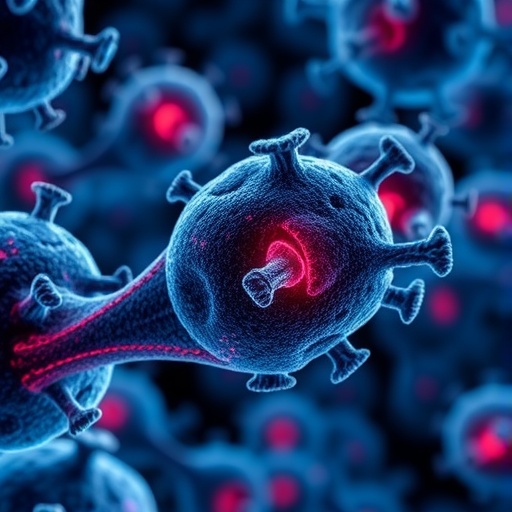
Diabetes is increasingly being understood not only as a disorder of blood-sugar regulation, but also as a disease of persistent immune miscommunication. A new review in Genes & Diseases examines how “trained immunity”—a form of long-lasting memory-like adaptation in the innate immune system—may connect metabolic stress to chronic inflammation, insulin resistance and the progressive damage associated with diabetes.
Unlike adaptive immune memory, which depends on highly specific lymphocytes and antibodies, trained immunity involves cells such as monocytes, macrophages and natural killer cells. After encountering certain stimuli, these cells can undergo durable changes in their metabolism and gene regulation. When they are activated again, they may respond more rapidly and intensely, even if the original stimulus is no longer present. In diabetes, this biological memory could help explain why inflammation continues long after an acute metabolic disturbance has passed.
The review by Qiming Gong and colleagues describes hyperglycemia, obesity, abnormal lipid levels and alterations in the gut microbiome as potential triggers of trained immune responses. Excess glucose and fatty acids can activate inflammatory signaling networks in circulating immune cells and tissues. These signals may stimulate pathways involving nuclear factor kappa B, the NLRP3 inflammasome and pro-inflammatory cytokines such as interleukin-1 beta and tumor necrosis factor. Together, they can transform short-term metabolic stress into a self-reinforcing inflammatory state.
At the cellular level, trained immunity is associated with extensive metabolic reprogramming. Activated innate immune cells often increase glycolysis and modify their use of mitochondrial pathways, allowing them to generate inflammatory mediators rapidly. Metabolites produced during these changes can also influence chromatin, the DNA-protein structure that controls gene activity. Epigenetic marks such as histone modifications may leave inflammatory genes in a more accessible state, enabling exaggerated responses during later encounters. This interaction between cellular metabolism and gene regulation is one of the central mechanisms linking diabetes to immune memory.
These processes may contribute directly to insulin resistance. In adipose tissue, chronically activated macrophages can release cytokines that interfere with insulin signaling in fat cells and neighboring tissues. In the liver and skeletal muscle, inflammatory mediators may disrupt pathways controlled by the insulin receptor and reduce the ability of cells to absorb and store glucose. As insulin becomes less effective, the pancreas is forced to produce more of the hormone, placing additional pressure on insulin-producing beta cells.
Beta cells may themselves be damaged by the inflammatory environment. Persistent exposure to cytokines, oxidative stress and abnormal lipid concentrations can impair mitochondrial function, reduce insulin production and promote cellular dysfunction or death. The review suggests that trained immunity could help maintain this hostile environment, allowing inflammation to continue even after glucose levels have improved. Such a mechanism may be relevant to the phenomenon sometimes described as metabolic memory, in which earlier periods of poor glycemic control leave a lasting risk of complications.
The effects of trained immunity may extend throughout the vascular system and multiple organs. In atherosclerosis, inflammatory monocytes and macrophages can become more responsive to signals within arterial plaques, potentially accelerating plaque growth and instability. In diabetic kidney disease, persistent immune activation may promote endothelial dysfunction, tissue injury and fibrosis. Similar inflammatory mechanisms could contribute to delayed wound healing, in which impaired blood flow, altered immune-cell behavior and defective tissue repair combine to slow recovery from injury.
The gut microbiome is another possible link between metabolism and innate immune programming. Changes in microbial composition can alter the production of short-chain fatty acids, bile-acid derivatives and other molecules that influence immune and metabolic pathways. A damaged intestinal barrier may also allow microbial products, including lipopolysaccharide, to enter the circulation and stimulate inflammatory receptors. The review presents diet, microbiome-directed therapies and other strategies to restore microbial balance as potential ways to reduce these signals, although the clinical effectiveness of such approaches remains under investigation.
Several treatment concepts are now being explored. Blocking the NLRP3 inflammasome or related cytokine pathways could reduce the inflammatory amplification associated with trained immunity. Therapies that alter immune-cell metabolism may prevent the metabolic conditions required for persistent inflammatory programming. Researchers are also examining whether vaccination or other controlled immune stimuli can beneficially reshape innate immune responses. These approaches would complement, rather than replace, established diabetes treatments aimed at controlling glucose, blood pressure and lipid levels.
The authors emphasize that trained immunity is a promising framework, not yet a complete explanation for diabetes. Much of the evidence comes from laboratory models, cell studies and emerging human data, and researchers still need to determine how long trained immune states persist, which patients are most affected and whether they can be safely reversed. Nevertheless, the concept offers a new way to view diabetic complications: not simply as the passive consequences of high blood sugar, but as the result of an active biological dialogue between metabolism, epigenetic programming and the immune system. Understanding that dialogue could lead to therapies designed to interrupt inflammation before it becomes permanently damaging.
Subject of Research: Trained immunity and its role in the pathogenesis and treatment of diabetes and diabetic complications.
Article Title: “Trained immunity: New insights into pathogenesis and therapeutic targets in diabetes and diabetic complications”
Web References: https://doi.org/10.1016/j.gendis.2025.101940; https://www.sciencedirect.com/journal/genes-and-diseases
References: Gong Q, Huang Y, Liu F, Zhou T, Huang W, Xu Y. “Trained immunity: New insights into pathogenesis and therapeutic targets in diabetes and diabetic complications.” Genes & Diseases. Volume 13, Issue 5, 2026, Article 101940. DOI: 10.1016/j.gendis.2025.101940.
Image Credits: Genes & Diseases
Keywords: Trained immunity, diabetes, diabetic complications, chronic inflammation, innate immunity, monocytes, macrophages, NLRP3 inflammasome, insulin resistance, beta cells, gut microbiome, metabolic memory, epigenetics.
Tags: gut microbiome influence on immune memoryhyperglycemia and immune activationimmune cell metabolism and gene regulationimmune system role in metabolic disordersimmune-targeted therapies for diabetesinflammation triggers in diabetesinflammatory signaling pathways in diabetesinnate immune system and insulin resistancelong-lasting immune memory in chronic inflammationNLRP3 inflammasome in metabolic diseaseobesity-related immune responsestrained immunity in diabetes