• HOME
  • NEWS
  • EXPLORE
    • CAREER
      • Companies
      • Jobs
    • EVENTS
    • iGEM
      • News
      • Team
    • PHOTOS
    • VIDEO
    • WIKI
  • BLOG
  • COMMUNITY
    • FACEBOOK
    • INSTAGRAM
    • TWITTER
Saturday, May 16, 2026
BIOENGINEER.ORG
No Result
View All Result
  • Login
  • HOME
  • NEWS
  • EXPLORE
    • CAREER
      • Companies
      • Jobs
        • Lecturer
        • PhD Studentship
        • Postdoc
        • Research Assistant
    • EVENTS
    • iGEM
      • News
      • Team
    • PHOTOS
    • VIDEO
    • WIKI
  • BLOG
  • COMMUNITY
    • FACEBOOK
    • INSTAGRAM
    • TWITTER
  • HOME
  • NEWS
  • EXPLORE
    • CAREER
      • Companies
      • Jobs
        • Lecturer
        • PhD Studentship
        • Postdoc
        • Research Assistant
    • EVENTS
    • iGEM
      • News
      • Team
    • PHOTOS
    • VIDEO
    • WIKI
  • BLOG
  • COMMUNITY
    • FACEBOOK
    • INSTAGRAM
    • TWITTER
No Result
View All Result
Bioengineer.org
No Result
View All Result
Home Headlines

Identified a key protein in the generation of B lymphocytes

Bioengineer.org by Bioengineer.org
January 20, 2018
in Headlines, Health, Science News
Reading Time: 2 mins read
0
Share on FacebookShare on TwitterShare on LinkedinShare on RedditShare on Telegram
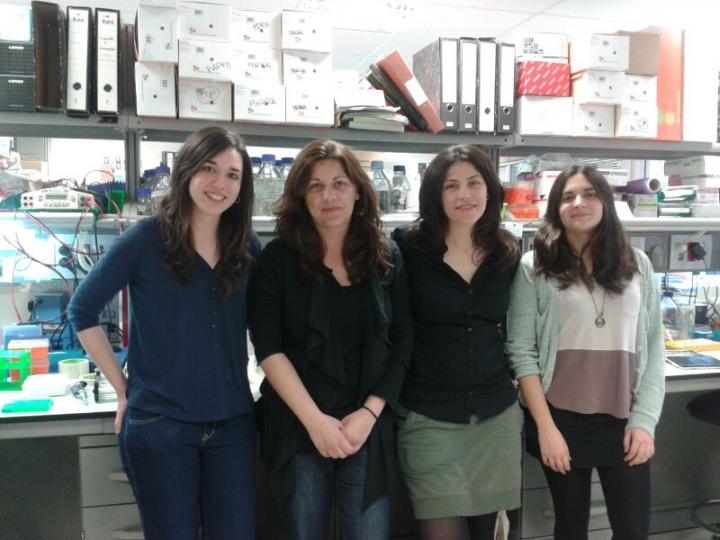
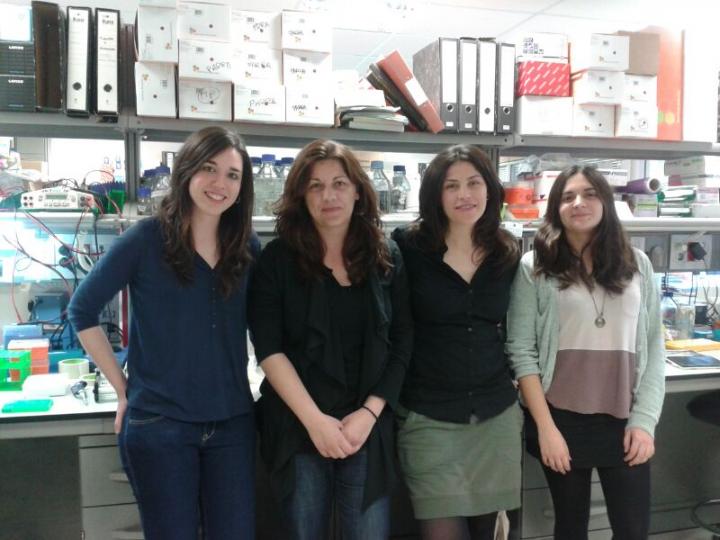
IMAGE

Credit: IDIBELL

Researchers of the Cellular Differentiation Group at the Epigenetics and Cancer Biology Program at IDIBELL, led by researcher Maribel Parra, have identified a transcriptional repressor, the histone deacetylase HDAC7, involved in the generation and the identity of B lymphocytes, the cells responsible to create antibodies in our immune system. The results of the study, published in the Journal of Experimental Medicine, show that HDAC7 is essential in the generation of B lymphocytes.

Hematopoietic System

Hematopoietic stem cells go through a very complex system of differentiation to form the different blood cells. In the hematopoietic system, there are two main branches: the lymphoid, which results in T cells, B cells and NK cells, and the myeloid that will give rise to erythrocytes (red blood cell) or macrophages among others. As Maribel Parra explained, "each of the cellular transitions that take place during B cell development comprises the acquisition of the genetics program characteristic of the new cellular stage and the extinction of the previous one. To date we have an accurate and precise picture of the involvement of networks of transcription factors in activating a specific gene program. However, increasing evidence indicate that transcription factors are also involve in the repression of lineage inappropriate genes. How B cell transcription factors induce the silencing of genes that should not be expressed in B cells remain largely unknown. The group of Maribel Parra studies the role of a family of transcriptional repressors, histone deacetylases (HDACs), in the differentiation of cells of the hematopoietic system.

Repression of "inappropriate" genes

In this work, researchers have shown that in B lymphocytes HDAC7 is involved in the transcriptional repression of "inappropriate" gens characteristic of other cell types such as macrophages and T lymphocytes. The researches have used a mouse model for HDAC7 deficiency in B cell progenitors (pro-B cells) and have observed that it is essential for B cell development. They have found that HDAC7 is recruited to the lineage inappropriate genes leading to their transcriptional silencing. Maribel Parra explained that, "through this mechanism of transcriptional repression, B cells ensure that genes characteristics of other cell types are not expressed and maintains its lymphoid identity." She also notes that, "given its importance in the biology of B cells, HDAC7 function might be altered in hematological. In fact, last year we published a manuscript showing that HDAC7 expression is deregulated in particular types of B cell leukemia and lymphoma."

###

Media Contact

Gemma Fornons
[email protected]
0034-638-685-074
@idibell_en

Inicio

Share12Tweet8Share2ShareShareShare2

Related Posts

Congenital Heart Disease’s Lasting Impact on Brain Health — Technology and Engineering

Congenital Heart Disease’s Lasting Impact on Brain Health

May 16, 2026

Metabolic Stress Worsens Parkinson’s via Mitochondrial Ferroptosis

May 16, 2026

Four New Hydroxyl Fatty Acids from Bacillus sp.

May 16, 2026

Validating B-IPQ Short Form for Older Colombians

May 16, 2026
Please login to join discussion

POPULAR NEWS

  • Research Indicates Potential Connection Between Prenatal Medication Exposure and Elevated Autism Risk

    844 shares
    Share 338 Tweet 211
  • New Study Reveals Plants Can Detect the Sound of Rain

    730 shares
    Share 291 Tweet 182
  • Salmonella Haem Blocks Macrophages, Boosts Infection

    62 shares
    Share 25 Tweet 16
  • Breastmilk Balances E. coli and Beneficial Bacteria in Infant Gut Microbiomes

    58 shares
    Share 23 Tweet 15

About

We bring you the latest biotechnology news from best research centers and universities around the world. Check our website.

Follow us

Recent News

Congenital Heart Disease’s Lasting Impact on Brain Health

Metabolic Stress Worsens Parkinson’s via Mitochondrial Ferroptosis

Four New Hydroxyl Fatty Acids from Bacillus sp.

Subscribe to Blog via Email

Enter your email address to subscribe to this blog and receive notifications of new posts by email.

Join 82 other subscribers
  • Contact Us

Bioengineer.org © Copyright 2023 All Rights Reserved.

Welcome Back!

Login to your account below

Forgotten Password?

Retrieve your password

Please enter your username or email address to reset your password.

Log In
No Result
View All Result
  • Homepages
    • Home Page 1
    • Home Page 2
  • News
  • National
  • Business
  • Health
  • Lifestyle
  • Science

Bioengineer.org © Copyright 2023 All Rights Reserved.