

• HOME
  • NEWS
  • EXPLORE
    • CAREER
      • Companies
      • Jobs
    • EVENTS
    • iGEM
      • News
      • Team
    • PHOTOS
    • VIDEO
    • WIKI
  • BLOG
  • COMMUNITY
    • FACEBOOK
    • INSTAGRAM
    • TWITTER
Sunday, May 31, 2026
BIOENGINEER.ORG
No Result
View All Result
  • Login
  • HOME
  • NEWS
  • EXPLORE
    • CAREER
      • Companies
      • Jobs
        • Lecturer
        • PhD Studentship
        • Postdoc
        • Research Assistant
    • EVENTS
    • iGEM
      • News
      • Team
    • PHOTOS
    • VIDEO
    • WIKI
  • BLOG
  • COMMUNITY
    • FACEBOOK
    • INSTAGRAM
    • TWITTER
  • HOME
  • NEWS
  • EXPLORE
    • CAREER
      • Companies
      • Jobs
        • Lecturer
        • PhD Studentship
        • Postdoc
        • Research Assistant
    • EVENTS
    • iGEM
      • News
      • Team
    • PHOTOS
    • VIDEO
    • WIKI
  • BLOG
  • COMMUNITY
    • FACEBOOK
    • INSTAGRAM
    • TWITTER
No Result
View All Result
Bioengineer.org
No Result
View All Result
Home NEWS Science News Biology

Ice-free corridor sustained Arctic marine life during last Ice Age

Bioengineer by Bioengineer
September 28, 2018
in Biology
Reading Time: 2 mins read
0
Share on FacebookShare on TwitterShare on LinkedinShare on RedditShare on Telegram
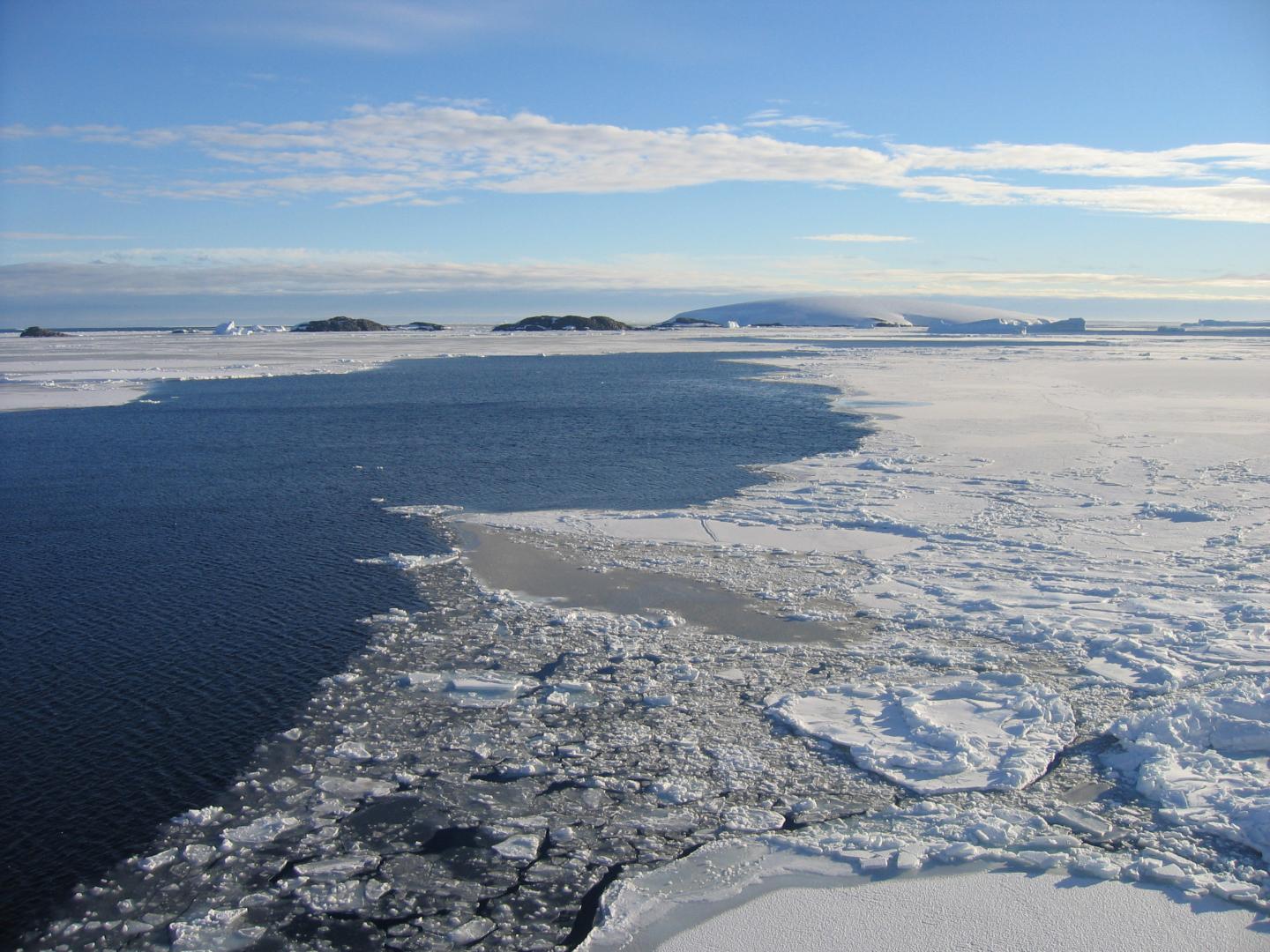
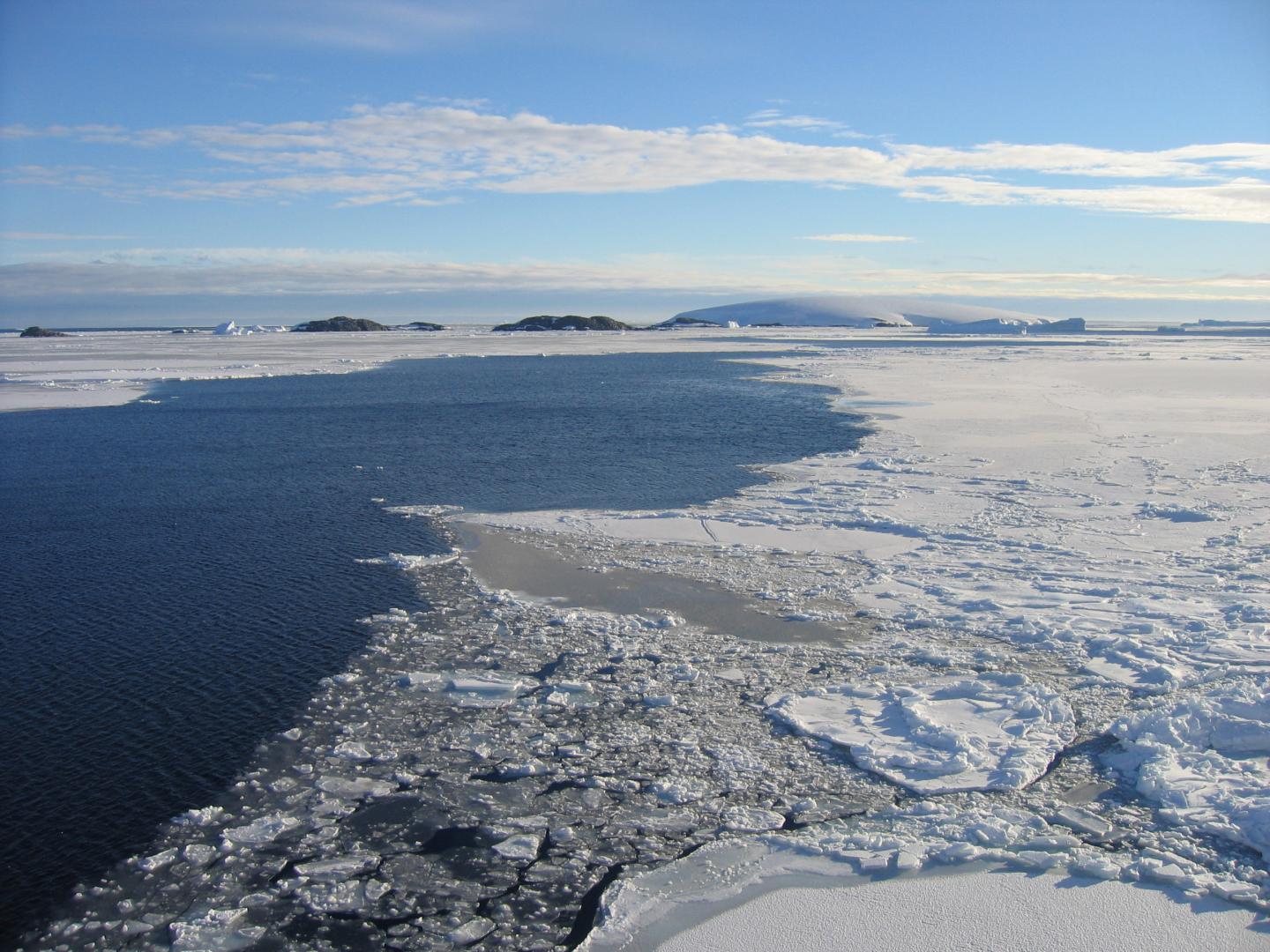
IMAGE

Credit: Photo: M. Forwick

Scientists from Norway and the UK have shown that, 20.000 years ago, Arctic sea ice in the winter covered more than twice the area than it does today. Yet, there was a small ice-free oasis between ice covered continents and the frozen ocean. There, marine life prevailed.

"When we were looking for evidence of biological life in sediments at the bottom of the ocean, we found that between the sea ice covered oceans, and the ice sheets on land, there must have been a narrow ice-free corridor that extended over hundreds of kilometres into the Arctic. Such ice-free regions are often called "polynyas" – a Russian expression for an area of open water that is surrounded by sea ice and/or ice sheets", says research scientist Jochen Knies from Centre for Arctic Gas Hydrate, Environment and Climate at UiT The Arctic University of Norway, and Geological Survey of Norway.

The new findings, which were published recently in Nature Communications, also reveal that the polynya was sustained for at least 5000 years, when the surroundings were largely covered by ice, and global ocean circulation was at a minimum.

Common today in Antarctica and Greenland

Today, polynyas are common around Antarctica and Greenland. They form through a combination of offshore winds blowing from nearby ice sheets and warm water rising from the deep ocean. In areas of extreme cold and little access to food, polynyas provide an oasis for marine mammals to survive and they are also critical for global ocean circulation.

"Polynyas in the polar regions are common nowadays, but it's difficult to confirm their existence in the past. However, by finding chemical fossils of algae that live in the open ocean and in sea ice, we have shown that polynyas must have existed during the last Ice Age" says co-author Simon Belt, professor of chemistry at Plymouth University.

During a subsequent period of abrupt climate change around 17,500 years ago, cold freshwater from the melting ice caps caused entire northern oceans to be covered by thick sea ice and the polynya disappeared. This resulted in a dramatic decline in marine life. It took up to 2000 years for the life to recover.

The research is of international importance since it shows the vulnerability of marine ecosystems in the northern oceans to periods of rapid climate change, as well as their adaptability to various extreme climate states.

###

Media Contact

Jochen Knies
[email protected]
@CAGE_COE

Original Source

https://cage.uit.no/news/ice-free-corridor-sustained-arctic-marine-life-last-ice-age/ http://dx.doi.org/10.1038/s41467-018-06252-8


Share12Tweet8Share2ShareShareShare2

Related Posts

Ohio Wall Lizards Overcame Genetic Bottleneck Through Reproduction, Study Finds — Biology

Ohio Wall Lizards Overcame Genetic Bottleneck Through Reproduction, Study Finds

May 29, 2026
Double Agent Unveils Unexpected Revelations — Biology

Double Agent Unveils Unexpected Revelations

May 29, 2026

University of Toronto Scientists Work to Enhance Access to Advanced Research and Biomanufacturing Tools in Resource-Limited Areas

May 29, 2026

CLPTM1L Alters Lipid Rafts to Drive Glioblastoma Progression

May 29, 2026
Please login to join discussion

POPULAR NEWS

  • ESMO 2025: mRNA COVID Vaccines Enhance Efficacy of Cancer Immunotherapy

    319 shares
    Share 128 Tweet 80
  • Multi-Hospital Study Reveals Long Covid Burden Is Twice as High as Current Estimates

    81 shares
    Share 32 Tweet 20
  • Common Food Preservatives Associated with Elevated Blood Pressure and Increased Heart Disease Risk

    56 shares
    Share 22 Tweet 14
  • AI-Powered Atlas Uncovers Extensive Whole-Body Damage Linked to Obesity

    53 shares
    Share 21 Tweet 13

About

We bring you the latest biotechnology news from best research centers and universities around the world. Check our website.

Follow us

Recent News

Impact of Immigration Restrictions on the US Healthcare Workforce

Study Reveals Cancer Diagnostic Delays Linked to Population-Based Screening Using Cell-Free DNA Multicancer Early Detection Test

Innovative AI Technique Predicts Radiation Dosage Prior to Treatment in Advanced Prostate Cancer

Subscribe to Blog via Email

Enter your email address to subscribe to this blog and receive notifications of new posts by email.

Join 82 other subscribers
  • Contact Us

Bioengineer.org © Copyright 2023 All Rights Reserved.

Welcome Back!

Login to your account below

Forgotten Password?

Retrieve your password

Please enter your username or email address to reset your password.

Log In
No Result
View All Result
  • Homepages
    • Home Page 1
    • Home Page 2
  • News
  • National
  • Business
  • Health
  • Lifestyle
  • Science

Bioengineer.org © Copyright 2023 All Rights Reserved.
