In a discovery that solves a nearly decade-old biochemical mystery, researchers have identified the human enzymes responsible for dismantling one of the most promising experimental tuberculosis drugs in development. The study, published in EMBO Molecular Medicine, shows that two human enzymes called prostaglandin reductases chemically transform the antitubercular agent macozinone into an inactive form, revealing a previously unrecognized way in which the human body can neutralize a therapeutic drug.
Macozinone, also known as PBTZ169, belongs to a class of compounds called benzothiazinones, which kill Mycobacterium tuberculosis by covalently binding to DprE1, an essential mycobacterial flavoenzyme. This blockade halts the synthesis of arabinan, a critical component of the mycobacterial cell wall, ultimately causing cell lysis. The drug has shown extraordinary potency against both susceptible and drug-resistant tuberculosis strains, with minimum inhibitory concentrations below 0.0005 micrograms per milliliter, and has already passed through Phase I and Phase II clinical trials conducted in Russia and Switzerland.
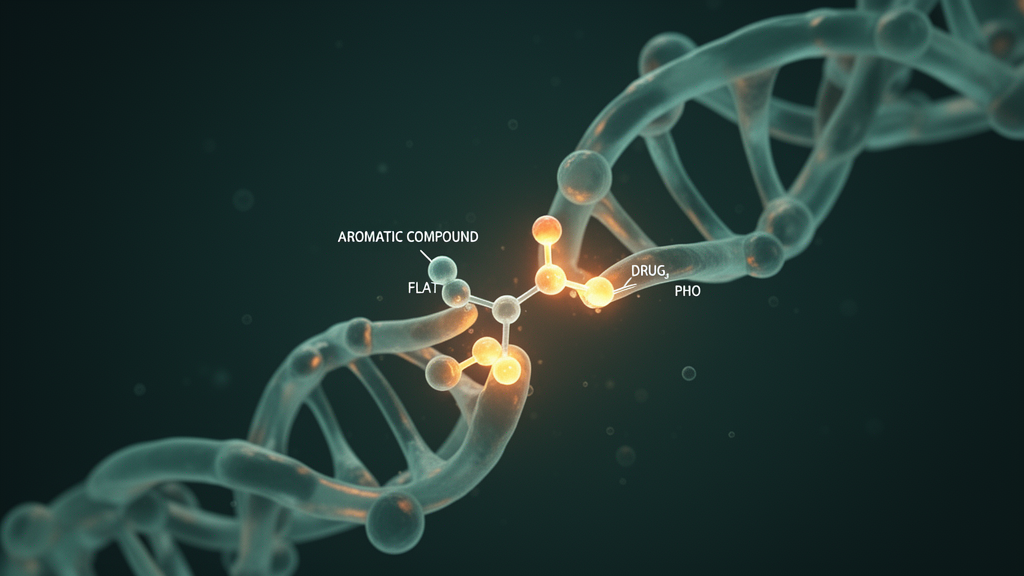
The puzzle began in 2017, when researchers reported that benzothiazinones undergo an unprecedented metabolic reaction in mammals: reductive dearomatization, in which the flat aromatic ring of the drug gains a hydrogen atom and loses its aromatic character. The resulting metabolite, called p-H2MCZ, is a Hydride Meisenheimer Complex, a type of reactive intermediate that had never before been isolated as a metabolic product in humans or any other mammal. The compound became the most abundant metabolite circulating in the blood of rats and humans taking the drug, yet the enzyme responsible for creating it remained unknown.
To find the culprit, the team, led by researchers at the University Hospital of Lausanne, systematically tested candidate enzyme families. Because the reaction preferentially used NADPH as a cofactor and occurred in the soluble cytosolic fraction of cells rather than in microsomes or mitochondria, they focused on cytosolic reductases. Incubation experiments in pig liver cytosol showed the reaction followed Michaelis–Menten kinetics, with an apparent Km of 2.77 micromolar. Experiments with post-mortem human liver, lung, and ileum tissue confirmed the enzyme was cytosolic, with the highest yields of the metabolite appearing in human lung fractions. Notably, incubation of macozinone with feces from human donors and mouse cecum content produced no metabolite, ruling out the gut microbiota as the source.
One by one, the leading suspects were eliminated. Recombinant human carbonyl reductases, including CBR1 and several aldo-ketoreductases, failed to produce any H2MCZ. The enzyme NQO1, initially an attractive candidate because the archetypal inhibitor dicumarol strongly blocked the reaction, showed no activity on macozinone when tested in purified form. Thioredoxin reductase and glutathione-mediated pathways were similarly excluded after direct enzyme tests and the failure to detect any putative glutathionyl-macozinonate intermediate by high-resolution mass spectrometry.
The breakthrough came through the chemistry of the drug itself. Although macozinone does not obviously resemble a fatty acid derivative, its aromatic ring contains a double bond adjacent to a carbonyl group that behaves like the alpha,beta-unsaturated ketone motif found in prostaglandins. That structural echo pointed toward prostaglandin reductase 1 (PTGR1), an NADPH-dependent enzyme that normally inactivates prostaglandins by reducing their 13,14 double bond. Support came from NSAIDs: diclofenac and niflumic acid inhibited the reaction in pig liver cytosol with IC50 values of about 16 micromolar, and indomethacin was slightly less potent, consistent with the known ability of these drugs to inhibit PTGR1.
Definitive proof arrived when pure recombinant human PTGR1 was incubated with macozinone and produced a single metabolite, p-H2MCZ, identical in retention time and mass spectrometric transition to the metabolite formed in tissue incubations. Its close relative PTGR2, an enzyme sharing 40 percent sequence homology with PTGR1, also catalyzed the reaction and, remarkably, generated a threefold higher yield under the same conditions. This is the first report of PTGR2 metabolizing a xenobiotic compound. The reaction itself is chemically extraordinary: it involves enzymatic beta-reduction of a double bond embedded within an aromatic ring, creating a Hydride Meisenheimer Complex that no mammalian enzyme had previously been shown to generate from a drug.
The functional consequences are significant. When macozinone was preincubated with recombinant PTGR2 before antimycobacterial testing against M. smegmatis, the minimum inhibitory concentration rose from about 1 microgram per liter to roughly 18 micrograms per liter, demonstrating that enzymatic dearomatization diminishes the drug’s killing power. Adding dicumarol during the preincubation partially restored activity. Inhibition studies with the recombinant enzymes showed dicumarol was the most potent blocker of both PTGR1 and PTGR2, with IC50 values of 0.33 and 0.058 micromolar respectively, while diclofenac, indomethacin, and the selective PTGR2 inhibitor PTGR2-IN-1 also suppressed the reaction.
The question of whether the metabolite itself might be the active drug, as some researchers had hypothesized, was addressed through a series of careful comparisons. Synthetic H2MCZ was actually about five times more potent than macozinone at inhibiting purified DprE1 in a cell-free system, and showed only slightly reduced potency against whole mycobacteria in vitro. Yet in human serum spiked with the compounds, and in plasma samples from volunteers in a Phase I clinical trial, antimycobacterial activity tracked the concentration of macozinone, not H2MCZ. In one multiple ascending dose trial, the MIC followed macozinone levels closely with a border around 1 microgram per liter, while the abundant circulating H2MCZ did not correlate with activity. Serum from six volunteers in a separate single ascending dose trial showed low MIC values of 1 to 2 nanograms per milliliter two hours after a 320 milligram dose, with much higher values at later time points. The authors conclude that macozinone is not a prodrug and that H2MCZ, despite circulating in abundance, is not the active form, though it may act as a reservoir that slowly reoxidizes to the parent drug, a hypothesis that remains unproven.
The findings open a tantalizing therapeutic strategy: blocking PTGR1 and PTGR2 with existing drugs could boost exposure to benzothiazinones, an approach analogous to combining ritonavir with antiretrovirals or cilastatin with imipenem. The dearomatization also extends to BTZ-043, suggesting it is a general feature of the entire nitroaromatic benzothiazinone family. The authors urge caution, however, because prostaglandin metabolism plays important roles in inflammation and immune defense against tuberculosis; PTGR1 inactivates leukotriene B4, a mediator that restricts inflammation and confers resistance to infection. Limitations also remain, including the use of a synthetic o- and p-isomer mixture in some in vitro tests where only the p-isomer occurs naturally, and the instability of H2MCZ, which degraded by 93 percent over 72 hours in incubation medium. With tuberculosis claiming 1.25 million lives in 2023 and drug-resistant cases rising, a feasibility study of PTGR blockade to enhance benzothiazinone exposure is, the authors argue, clearly warranted.
Subject of Research: Human prostaglandin reductases PTGR1 and PTGR2 inactivate the antitubercular drug macozinone through reductive dearomatization.
Article Title: Human prostaglandin reductases dearomatize and inactivate benzothiazinone antitubercular drugs
Article References: Briki, M., Wagner, C. A., Desfontaine, V., Vocat, A., Opota, O., Abou-Zite, S., Corpataux, O., Cena, B., Guinchard, S., Versace, F., Murisier, A., Mercier, T., Blattes, E., Bardinet, C., Thoueille, P., Wsol, V., Lastovickova, L., Chtioui, H., Rothuizen, L. E., … Decosterd, L. A. (2026). Human prostaglandin reductases dearomatize and inactivate benzothiazinone antitubercular drugs. EMBO Molecular Medicine. https://doi.org/10.1038/s44321-026-00526-1
Image Credits: AI Generated
DOI: 10.1038/s44321-026-00526-1
Keywords: macozinone, benzothiazinones, tuberculosis, PTGR1, PTGR2, drug metabolism, DprE1, Hydride Meisenheimer Complex, dearomatization, NSAIDs, antimycobacterial activity, host-directed therapy
News Source: Ophelia Keating. (October 29, 2026). Human Enzymes Found to Deactivate Promising Tuberculosis Drug Macozinone. Scienmag.