• HOME
  • NEWS
  • EXPLORE
    • CAREER
      • Companies
      • Jobs
    • EVENTS
    • iGEM
      • News
      • Team
    • PHOTOS
    • VIDEO
    • WIKI
  • BLOG
  • COMMUNITY
    • FACEBOOK
    • INSTAGRAM
    • TWITTER
Thursday, October 8, 2026
BIOENGINEER.ORG
No Result
View All Result
  • Login
  • HOME
  • NEWS
  • EXPLORE
    • CAREER
      • Companies
      • Jobs
        • Lecturer
        • PhD Studentship
        • Postdoc
        • Research Assistant
    • EVENTS
    • iGEM
      • News
      • Team
    • PHOTOS
    • VIDEO
    • WIKI
  • BLOG
  • COMMUNITY
    • FACEBOOK
    • INSTAGRAM
    • TWITTER
No Result
View All Result
Bioengineer.org
No Result
View All Result
Home NEWS Science News Biology

HRL receives NASA award to 3-D print ceramic rocket engine components

Bioengineer by Bioengineer
August 22, 2017
in Biology
Reading Time: 2 mins read
0
Share on FacebookShare on TwitterShare on LinkedinShare on RedditShare on Telegram
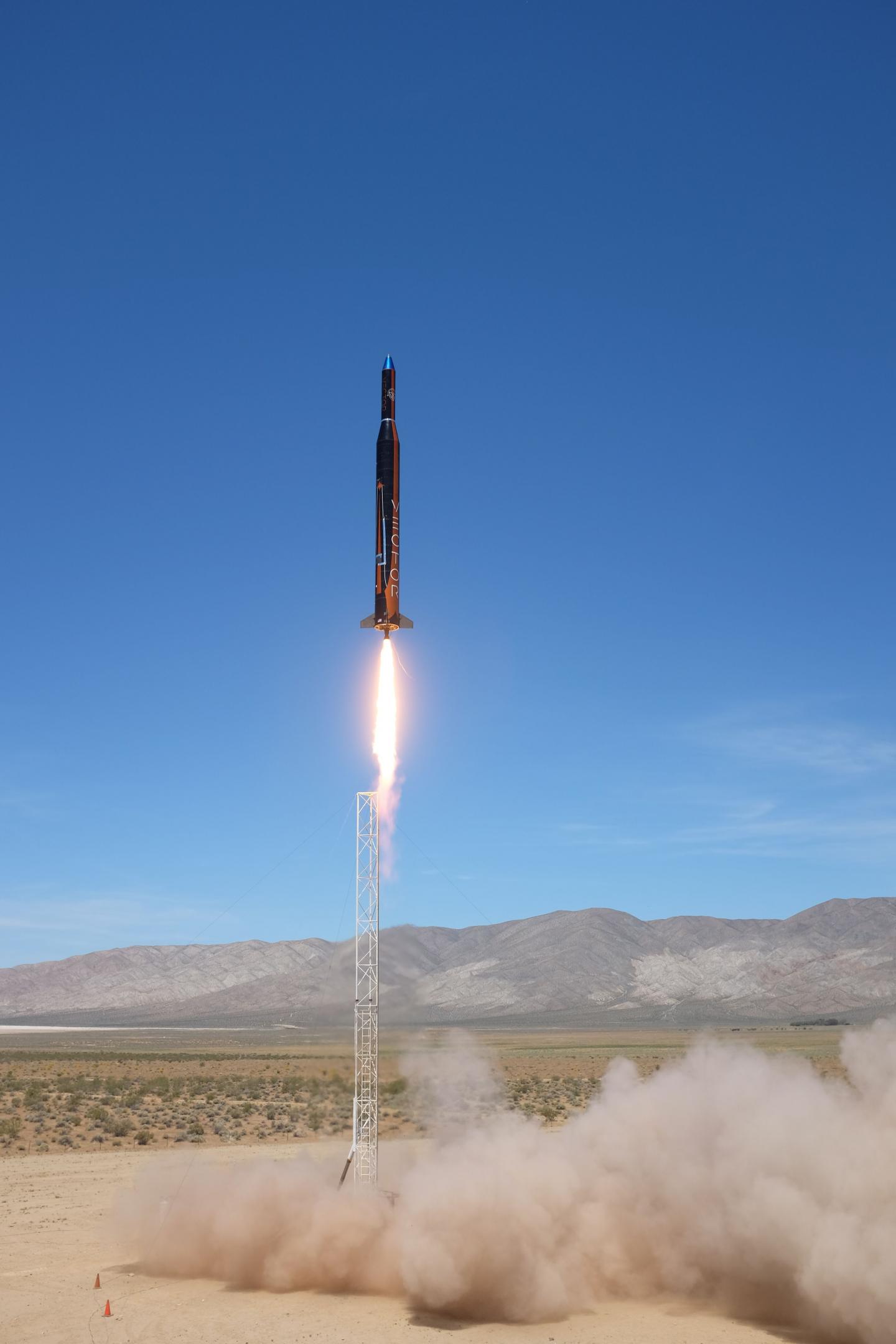
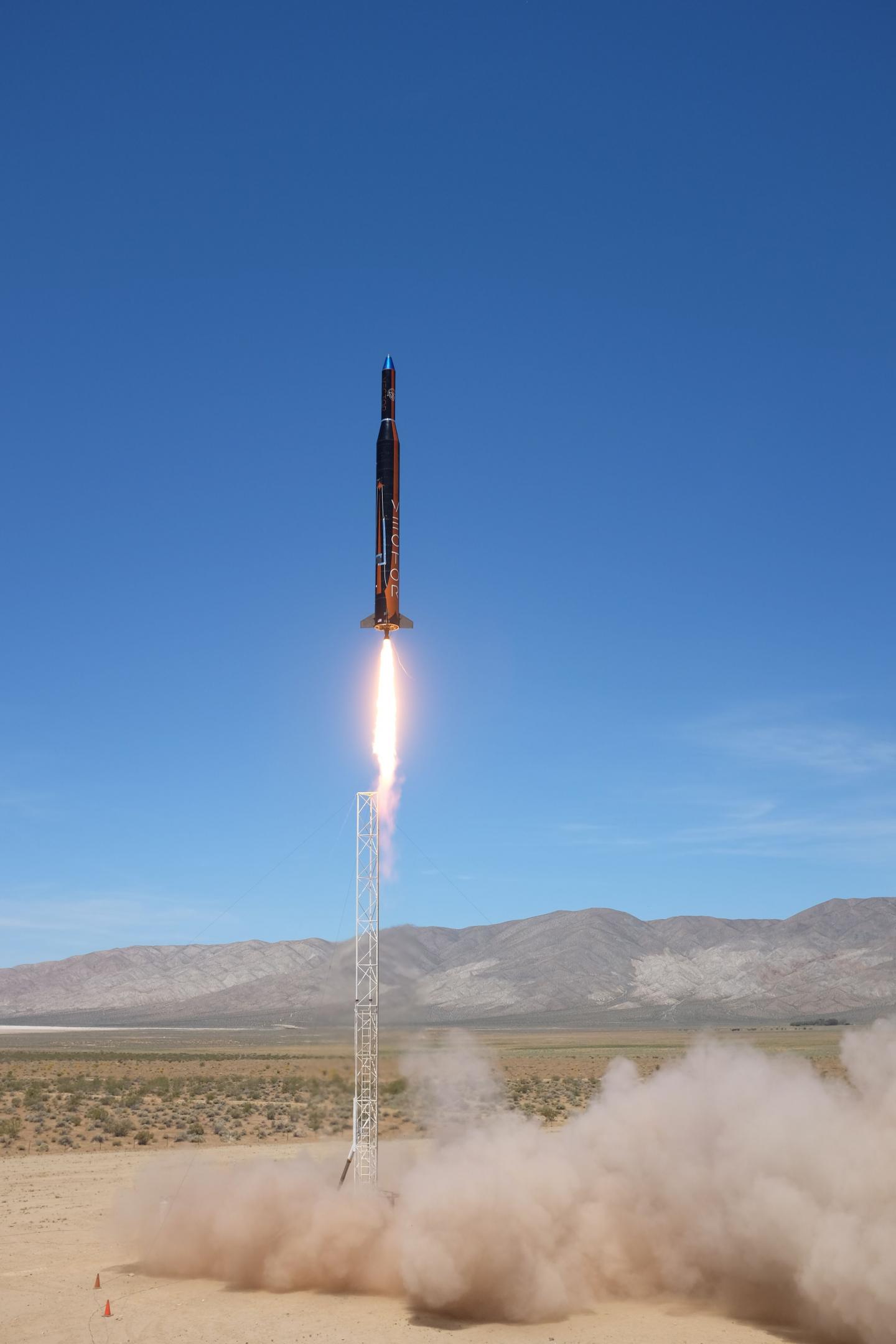
IMAGE

Credit: Image courtesy of Vector Space Systems

HRL Laboratories, LLC, has received an award as part of NASA's Space Technology Research, Development, Demonstration, and Infusion program to develop additive manufactured (3D-printed) ceramic rocket engine components.

HRL achieved a scientific breakthrough with preceramic resins that can be 3D printed and converted to high-temperature ceramic that was first published in the journal Science on January 1, 2016.

With NASA support, HRL researchers will further develop this new technology to additively manufacture reinforced ceramic rocket propulsion components. The HRL technique combines the ease, flexibility, and low cost of polymer additive manufacturing with the high-temperature capabilities of ceramics. This will enable new designs, lower costs and reduced lead time.

"High-temperature ceramics are notoriously difficult to process with conventional methods," said Tobias Schaedler, the project's program manager. "3D printing could completely change what ceramic parts look like and where they are applied in rocket engines."

HRL will subcontract with Vector, a micro satellite launch company that will investigate innovative rocket engine designs and assess performance improvements to its line of launch vehicles enabled by additive manufacturing. The two-year program will culminate with hot-fire ground testing of rocket engines that contain 3D-printed heat-resistant components at Vector's facility.

###

HRL Laboratories, LLC, Malibu, California (http://www.hrl.com) is a corporate research-and-development laboratory owned by The Boeing Company and General Motors specializing in research into sensors and materials, information and systems sciences, applied electromagnetics, and microelectronics. HRL provides custom research and development and performs additional R&D contract services for its LLC member companies, the U.S. government, and other commercial companies. PR17-013

Media Contact

Michele Durant
[email protected]
310-317-5321
@HRLLaboratories

HRL Laboratories

Original Source

http://www.hrl.com/news/2017/0821/

Share12Tweet8Share2ShareShareShare2

Related Posts

Urban Estuaries Defy Expectations by Weathering Storms Better Than Pristine Ones

Urban Estuaries Defy Expectations by Weathering Storms Better Than Pristine Ones

October 8, 2026
Epithelial Cells' Sensitivity to Interferon Gamma May Shape Genital Herpes Outcomes

Epithelial Cells’ Sensitivity to Interferon Gamma May Shape Genital Herpes Outcomes

October 8, 2026

The Amoebae We Forgot: Tiny Predators May Hold the Key to Climate-Microbiome Dynamics

October 8, 2026

Baltic Sea Sediments Drive Surprising Sexual Speciation in Bacteria

October 8, 2026
Please login to join discussion

POPULAR NEWS

  • Alloys That Shrink Their Own Grains: New PIX Mechanism Refines Metals With Heat Alone

    Alloys That Shrink Their Own Grains: New PIX Mechanism Refines Metals With Heat Alone

    29 shares
    Share 12 Tweet 7
  • Endurance Exercise Reshapes the Liver in Males and Females Through Distinct Molecular Routes

    29 shares
    Share 12 Tweet 7
  • Single Transcription Factor PU.1 Rapidly Converts Fibroblasts into Macrophage-Lineage Cells

    29 shares
    Share 12 Tweet 7
  • New Scale Measures How Ready Nurse Educators Really Are for the AI Era

    29 shares
    Share 12 Tweet 7

About

We bring you the latest biotechnology news from best research centers and universities around the world. Check our website.

Follow us

Recent News

Alloys That Shrink Their Own Grains: New PIX Mechanism Refines Metals With Heat Alone

Endurance Exercise Reshapes the Liver in Males and Females Through Distinct Molecular Routes

Single Transcription Factor PU.1 Rapidly Converts Fibroblasts into Macrophage-Lineage Cells

Subscribe to Blog via Email

Success! An email was just sent to confirm your subscription. Please find the email now and click 'Confirm' to start subscribing.

Join 85 other subscribers
  • Contact Us

Bioengineer.org © Copyright 2023 All Rights Reserved.

Welcome Back!

Login to your account below

Forgotten Password?

Retrieve your password

Please enter your username or email address to reset your password.

Log In
No Result
View All Result
  • Homepages
    • Home Page 1
    • Home Page 2
  • News
  • National
  • Business
  • Health
  • Lifestyle
  • Science

Bioengineer.org © Copyright 2023 All Rights Reserved.