

• HOME
  • NEWS
  • EXPLORE
    • CAREER
      • Companies
      • Jobs
    • EVENTS
    • iGEM
      • News
      • Team
    • PHOTOS
    • VIDEO
    • WIKI
  • BLOG
  • COMMUNITY
    • FACEBOOK
    • INSTAGRAM
    • TWITTER
Sunday, May 24, 2026
BIOENGINEER.ORG
No Result
View All Result
  • Login
  • HOME
  • NEWS
  • EXPLORE
    • CAREER
      • Companies
      • Jobs
        • Lecturer
        • PhD Studentship
        • Postdoc
        • Research Assistant
    • EVENTS
    • iGEM
      • News
      • Team
    • PHOTOS
    • VIDEO
    • WIKI
  • BLOG
  • COMMUNITY
    • FACEBOOK
    • INSTAGRAM
    • TWITTER
  • HOME
  • NEWS
  • EXPLORE
    • CAREER
      • Companies
      • Jobs
        • Lecturer
        • PhD Studentship
        • Postdoc
        • Research Assistant
    • EVENTS
    • iGEM
      • News
      • Team
    • PHOTOS
    • VIDEO
    • WIKI
  • BLOG
  • COMMUNITY
    • FACEBOOK
    • INSTAGRAM
    • TWITTER
No Result
View All Result
Bioengineer.org
No Result
View All Result
Home NEWS Science News Biology

How stressed are you? Nanoparticles pave the way for home stress testing

by
September 6, 2025
in Biology
Reading Time: 2 mins read
0
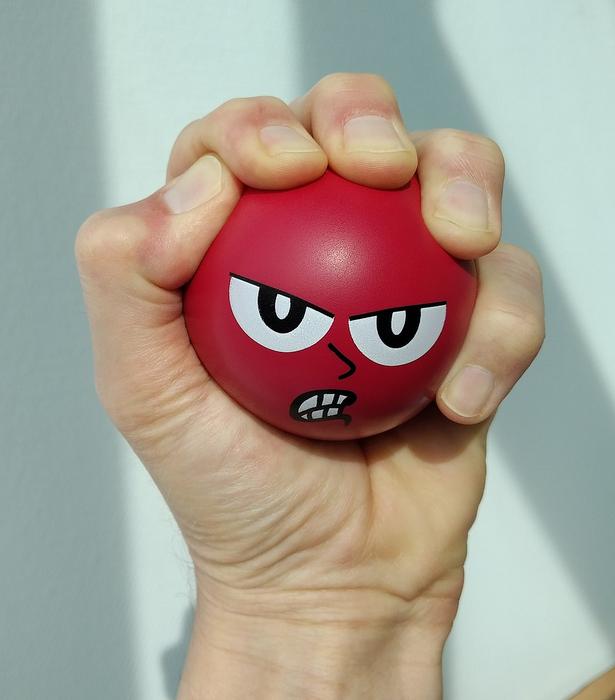
Home testing of stress levels one step closer to reality
Share on FacebookShare on TwitterShare on LinkedinShare on RedditShare on Telegram

Stress takes various shapes in our daily lives, from relentless work demands to the constant rush of the school run. But ignoring high stress levels can lead to serious health issues like depression and Alzheimer’s disease.

Stress takes various shapes in our daily lives, from relentless work demands to the constant rush of the school run. But ignoring high stress levels can lead to serious health issues like depression and Alzheimer’s disease.

So what if checking your stress levels at home became the norm? Thanks to nanoparticles, this possibility is drawing closer.

In a new study published in the journal Talanta, a team from China and the UK have produced a new and improved detector that can accurately measure levels of cortisol – a stress biomarker in the blood.

Tong Ji, a current part-time PhD student and a senior technician at Xi’an Jiaotong-Liverpool University (XJTLU), China, is the first author of the study. She says, “A cost-effective, easily reproducible, and easy-to-use point-of-care testing device that accurately measures cortisol levels has long been sought. It could make a huge difference to an appropriate and speedy diagnosis of high cortisol levels, drastically improving people’s lives.”

The devices currently available generally contain electrodes that have poor stability in different and fluctuating conditions, such as changing pH and temperature. This gives the devices a short shelf life and makes them difficult to produce commercially.

“Current cortisol detectors have reference electrodes with a silver layer that is easily oxidised and unstable in electrochemical measurements,” says Ji. “In this study, we used iridium oxide nanoparticles to cover the silver layer. This modification improves the stability, sensitivity and reproducibility of cortisol detection in point-of-care devices.”

Dr Qiuchen Dong, an assistant professor at XJTLU and corresponding author, adds, “This is the first time iridium oxide has been used in this way. Our team have produced a simple, low-cost cortisol measuring device that detects cortisol molecules at a concentration 3,000 times lower than the normal range of cortisol in our blood. This makes our device sensitive enough for commercial use.”

The iridium oxide-modified electrodes have also improved the selectivity of testing. Dr Graham Dawson, XJTLU Associate Professor and co-author, says, “One problem with the current solutions is that there is much similarity between cortisol and other hormones such as progesterone, testosterone, and corticosterone. This means it is difficult for the detectors to tell them apart. Our iridium oxide-modified electrode is selective enough to distinguish the different hormones and helps to solve this issue.”


Journal

Talanta

DOI

10.1016/j.talanta.2024.126776

Method of Research

Experimental study

Subject of Research

Not applicable

Article Title

Iridium oxide-modified reference screen-printed electrodes for point-of-care portable electrochemical cortisol detection

Article Publication Date

30-Aug-2024

COI Statement

The authors declare that they have no known competing financial interests or personal relationships that could have appeared to influence the work reported in this article.

Share12Tweet8Share2ShareShareShare2

Related Posts

Rising Sightings of Blue and Fin Whales in the South East Atlantic — Biology

Rising Sightings of Blue and Fin Whales in the South East Atlantic

May 23, 2026
New Maps Reveal How European Landscapes Can Simultaneously Promote Climate Action and Biodiversity Conservation — Biology

New Maps Reveal How European Landscapes Can Simultaneously Promote Climate Action and Biodiversity Conservation

May 22, 2026

University of Cincinnati Structural Biologists Achieve World First in Visualizing Crucial Cell Protein

May 22, 2026

Reducing Fertilizer Use Through Strategic Scientific Partnerships

May 22, 2026

POPULAR NEWS

  • ESMO 2025: mRNA COVID Vaccines Enhance Efficacy of Cancer Immunotherapy

    313 shares
    Share 125 Tweet 78
  • New Study Reveals Plants Can Detect the Sound of Rain

    734 shares
    Share 293 Tweet 183
  • Research Indicates Potential Connection Between Prenatal Medication Exposure and Elevated Autism Risk

    847 shares
    Share 339 Tweet 212
  • Common Food Preservatives Associated with Elevated Blood Pressure and Increased Heart Disease Risk

    55 shares
    Share 22 Tweet 14

About

We bring you the latest biotechnology news from best research centers and universities around the world. Check our website.

Follow us

Recent News

Mortality Trends in Dallas Very Preterm Neonates, 1977–2024

Nanofiber Self-Adhesive Electrode with PEDOT, Polyurethane

RBM20 Isoform Control Shapes Splicing in Health

Subscribe to Blog via Email

Enter your email address to subscribe to this blog and receive notifications of new posts by email.

Join 83 other subscribers
  • Contact Us

Bioengineer.org © Copyright 2023 All Rights Reserved.

Welcome Back!

Login to your account below

Forgotten Password?

Retrieve your password

Please enter your username or email address to reset your password.

Log In
No Result
View All Result
  • Homepages
    • Home Page 1
    • Home Page 2
  • News
  • National
  • Business
  • Health
  • Lifestyle
  • Science

Bioengineer.org © Copyright 2023 All Rights Reserved.