For decades, physicians have prescribed aerobic exercise as one of the few reliable ways to protect aging joints, yet the molecular courier service that carries the benefits of a treadmill session from the bloodstream to the cartilage lining our knees has remained largely invisible. A new study published in Nature Aging by Hirotaka Iijima, Fabrisia Ambrosio and colleagues now pulls back the curtain on that courier. The team shows that exercise fundamentally reprograms the cargo of extracellular vesicles, microscopic membrane-bound packages released into the circulation, enriching them with a specific family of microRNAs that can restore youthful characteristics to worn-out cartilage cells. The finding transforms extracellular vesicles from a vague umbrella term in exercise physiology into a concrete, engineerable therapeutic vehicle, and it identifies the longevity-associated protein α-Klotho as a central molecular switch through which physical activity communicates with one of the body’s most poorly regenerating tissues.
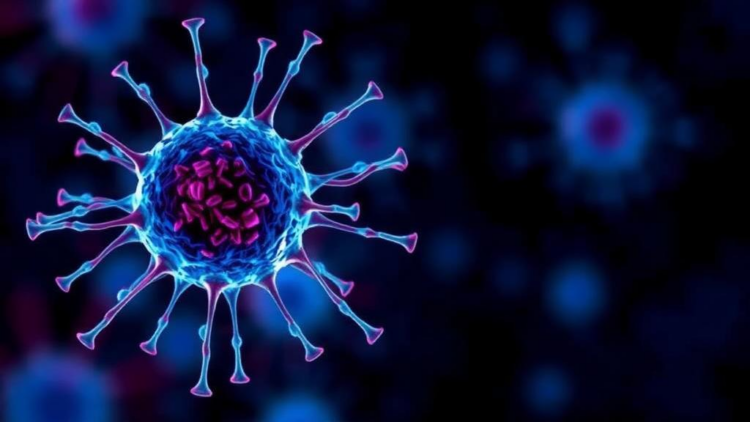
Extracellular vesicles, often called EVs, are lipid-enclosed nanoparticles shed by virtually every cell type in the body. Once dismissed as cellular garbage disposal, they are now recognized as a genuine intercellular communication system: they ferry proteins, lipids and nucleic acids between cells, and their cargo changes with physiological state. Exercise is a particularly powerful modulator of this cargo. Previous work has shown that the blood of trained individuals contains circulating exosomes with distinct microRNA profiles compared with sedentary controls, and that exercise-induced vesicles can protect the heart against ischemia-reperfusion injury and influence metabolic disease. What remained unknown, and what the new study set out to resolve, is precisely how the microRNA payload of exercise-primed vesicles is decoded by recipient cells in distant tissues, and which downstream genes translate that message into a measurable health benefit.
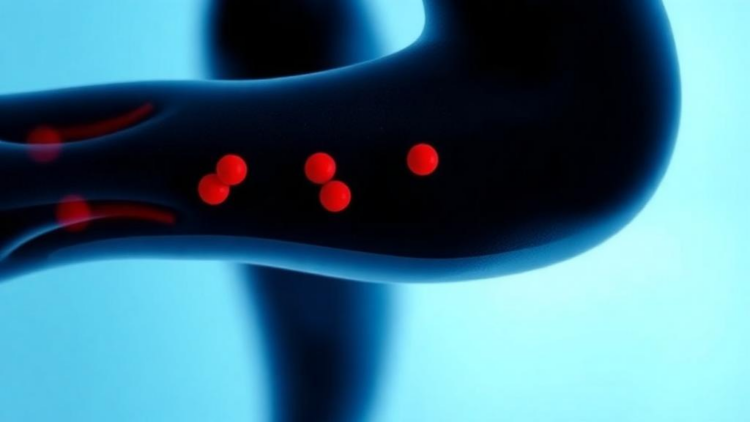
The researchers chose articular cartilage as their model tissue for good reason. Cartilage is avascular, poorly innervated and notoriously resistant to self-repair, and its degeneration underlies osteoarthritis, one of the most burdensome age-related diseases worldwide. The Global Burden of Disease Study 2021 projects that the number of people living with osteoarthritis will continue climbing toward 2050, and clinical guidelines already recommend exercise as first-line, non-surgical management. Yet cartilage cells, or chondrocytes, sit embedded in a dense matrix far from any blood vessel, making it biologically puzzling that a systemic intervention like jogging could improve their health at all. The answer, the study suggests, travels in vesicles small enough to cross the blood-joint barrier.
To find that answer, the team combined human intervention data with computational network biology. In a three-month aerobic exercise program involving older adults, the researchers isolated extracellular vesicles from participants’ plasma before and after the intervention and profiled their small RNA content by sequencing. An acute bout of exercise significantly altered sixteen vesicular microRNAs, and pathway analysis showed that these exercise-sensitive microRNAs predominantly targeted genes involved in cell-matrix adhesion, the molecular anchoring system by which chondrocytes sense and respond to their surrounding scaffold. Rather than testing each microRNA one by one, the team then used network propagation, a computational technique that simulates how a perturbation spreads through a tissue-specific gene interaction network, to predict the cumulative downstream effect of the altered microRNA cocktail on cartilage cells.
The network analysis delivered a strikingly clear verdict: the exercise-primed microRNA payload converged on pathways of cellular aging, with the microRNA-29 family emerging as the dominant regulator of the effect. This prediction was not merely statistical. When the researchers performed an in silico knockout of microRNA-29, the health-promoting signature of the exercise-primed vesicles was substantially attenuated, pinpointing this single microRNA family as a key node in the cartilage-aging regulatory network. The microRNA-29 family has an established track record in regenerative biology, with prior studies implicating it in the regulation of collagen expression, fibrosis and synovial inflammation, but its role as the exercise-responsive messenger that reprograms aged chondrocytes had not previously been appreciated.
The mechanistic core of the study concerns a gene with an almost legendary reputation in aging research: KL, which encodes the protein α-Klotho, named after the Greek Fate who spins the thread of life. The team’s earlier work had shown that age-related stiffening of the cartilage matrix epigenetically silences α-Klotho in chondrocytes through hypermethylation of the KL promoter, compromising cell integrity and pushing the cells toward a degenerative phenotype. In the new experiments, chondrocytes cultured on stiff, aged-like substrates recapitulated this pathological state, with altered cell morphology, compromised integrity and a hypermethylated KL promoter. When the researchers treated these cells with exercise-primed extracellular vesicles from the human participants, the vesicles epigenetically de-repressed KL, partially reversing the promoter hypermethylation, restoring α-Klotho expression and driving the chondrocytes back toward a more youthful, anabolic phenotype.
Causality was tested in two complementary ways. First, the researchers engineered extracellular vesicles to be enriched with microRNA-29 and showed that these synthetic packages reproduced the anabolic effects of the natural exercise-primed vesicles in aged human chondrocytes, and that this benefit depended on α-Klotho, confirming the KL gene as the functional target. MicroRNA-29 mimics also reduced the expression of Itgb1, a gene encoding an integrin subunit that was upregulated in chondrocytes on stiff substrates and identified among the leading-edge targets of the exercise-sensitive microRNAs. Second, and most importantly for translational relevance, the team injected exercise-primed extracellular vesicles directly into the knee joints of aged mice. The intra-articular administration mitigated age-related cartilage degeneration in the animals, demonstrating that the vesicle-mediated signal is not an artifact of cell culture but a physiologically meaningful intervention in a living, aging joint.
The implications ripple outward in several directions. For exercise science, the study provides the most complete mechanistic chain yet linking a behavioral intervention to epigenetic remodeling in a distal tissue: exercise alters circulating vesicular microRNA cargo, microRNA-29 de-represses KL, and α-Klotho restores chondrocyte health. For regenerative medicine, it suggests that extracellular vesicles could be harvested, engineered or pharmacologically primed to deliver microRNA-29 to damaged joints, potentially offering a disease-modifying therapy for osteoarthritis, a condition currently managed largely with pain relief and, eventually, joint replacement. The engineering approach also sidesteps some safety concerns associated with viral gene therapy, since vesicles are natural delivery vehicles, although the authors’ demonstration that the benefit is only partially dependent on α-Klotho hints that additional, still-unmapped pathways contribute to the overall effect.
Important caveats remain before microRNA-29-enriched vesicles reach the clinic. The human component of the study demonstrated that exercise raises vesicular microRNA-29 relative to each participant’s own baseline, but the therapeutic injections were performed in mice, and the dose, frequency and long-term safety of intra-articular vesicle therapy in humans are unknown. The network models, while powerful, are computational predictions that require continued experimental validation, and the heterogeneity of osteoarthritis, which includes post-traumatic as well as age-related forms, means that the microRNA-29-Klotho axis may not benefit every patient equally; indeed, the disease-enrichment analysis in the study pointed most strongly at primary, age-related knee osteoarthritis as the relevant clinical target. Still, the study marks a conceptual shift: exercise is revealed not merely as mechanical conditioning of load-bearing tissue but as a systemic signaling event, packaged into nanoparticles, written in microRNA, and read by aging cells as an instruction to switch a longevity gene back on. In that light, every aerobic workout becomes a dispatch of molecular medicine, and the challenge ahead is learning to bottle it.
Subject of Research: Exercise-primed extracellular vesicles enriched in microRNA-29 restore aged chondrocyte health through epigenetic derepression of the KL gene encoding α-Klotho
Article Title: Exercise enhances aged chondrocyte health through microRNA-29-enriched extracellular vesicles
Article References: Iijima, H., Dave, K. M., Wang, K., Khay, A. M., D’Amico, E., Tang, W.-Y., Rogers, R. J., Jakicic, J. M., & Ambrosio, F. (2026). Exercise enhances aged chondrocyte health through microRNA-29-enriched extracellular vesicles. Nature Aging. https://doi.org/10.1038/s43587-026-01225-9
Image Credits: AI Generated
DOI: 10.1038/s43587-026-01225-9
Keywords: extracellular vesicles, microRNA-29, exercise, chondrocytes, cartilage, α-Klotho, KL gene, epigenetics, osteoarthritis, aging, network biology, regenerative medicine
Cite Scienmag News
APA MLA Chicago
Beatrice Stafford. (September 30, 2026). How Exercise Rejuvenates Aging Cartilage: Tiny Vesicles Carry a Longevity Signal. Scienmag. https://scienmag.com/how-exercise-rejuvenates-aging-cartilage-tiny-vesicles-carry-a-longevity-signal/
Beatrice Stafford. “How Exercise Rejuvenates Aging Cartilage: Tiny Vesicles Carry a Longevity Signal.” Scienmag, 30 September 2026, https://scienmag.com/how-exercise-rejuvenates-aging-cartilage-tiny-vesicles-carry-a-longevity-signal/. Accessed 30 September 2026.
Beatrice Stafford. “How Exercise Rejuvenates Aging Cartilage: Tiny Vesicles Carry a Longevity Signal.” Scienmag. September 30, 2026. https://scienmag.com/how-exercise-rejuvenates-aging-cartilage-tiny-vesicles-carry-a-longevity-signal/
Copy citation Download RIS
Tags: Agingaging and tissue repairaging joint healthcartilagecartilage regenerationcartilage rejuvenationchondrocytesepigeneticsEV cargo reprogrammingExerciseexercise and molecular signalingExercise-induced extracellular vesiclesextracellular vesiclesintercellular communication via EVsKL genemicroRNA-29microRNAs in EVsmolecular mechanisms of exercise benefitsnetwork biologyosteoarthritisRegenerative Medicinetherapeutic potential of extracellular vesiclesα-Klothoα-Klotho protein