

• HOME
  • NEWS
  • EXPLORE
    • CAREER
      • Companies
      • Jobs
    • EVENTS
    • iGEM
      • News
      • Team
    • PHOTOS
    • VIDEO
    • WIKI
  • BLOG
  • COMMUNITY
    • FACEBOOK
    • INSTAGRAM
    • TWITTER
Tuesday, May 26, 2026
BIOENGINEER.ORG
No Result
View All Result
  • Login
  • HOME
  • NEWS
  • EXPLORE
    • CAREER
      • Companies
      • Jobs
        • Lecturer
        • PhD Studentship
        • Postdoc
        • Research Assistant
    • EVENTS
    • iGEM
      • News
      • Team
    • PHOTOS
    • VIDEO
    • WIKI
  • BLOG
  • COMMUNITY
    • FACEBOOK
    • INSTAGRAM
    • TWITTER
  • HOME
  • NEWS
  • EXPLORE
    • CAREER
      • Companies
      • Jobs
        • Lecturer
        • PhD Studentship
        • Postdoc
        • Research Assistant
    • EVENTS
    • iGEM
      • News
      • Team
    • PHOTOS
    • VIDEO
    • WIKI
  • BLOG
  • COMMUNITY
    • FACEBOOK
    • INSTAGRAM
    • TWITTER
No Result
View All Result
Bioengineer.org
No Result
View All Result
Home NEWS Science News Health

How brains of doers differ from those of procrastinators

Bioengineer by Bioengineer
August 22, 2018
in Health
Reading Time: 2 mins read
0
Share on FacebookShare on TwitterShare on LinkedinShare on RedditShare on Telegram
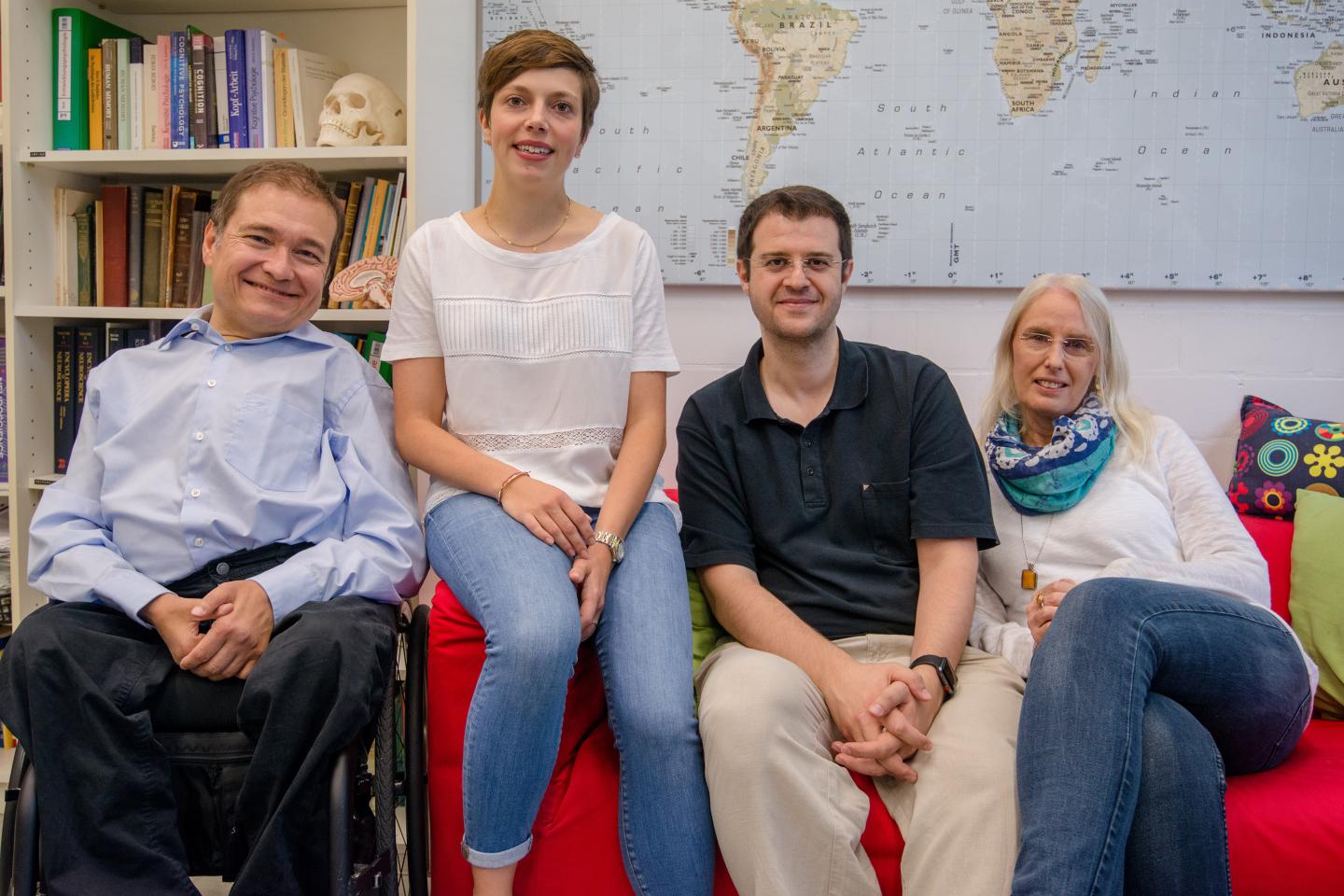
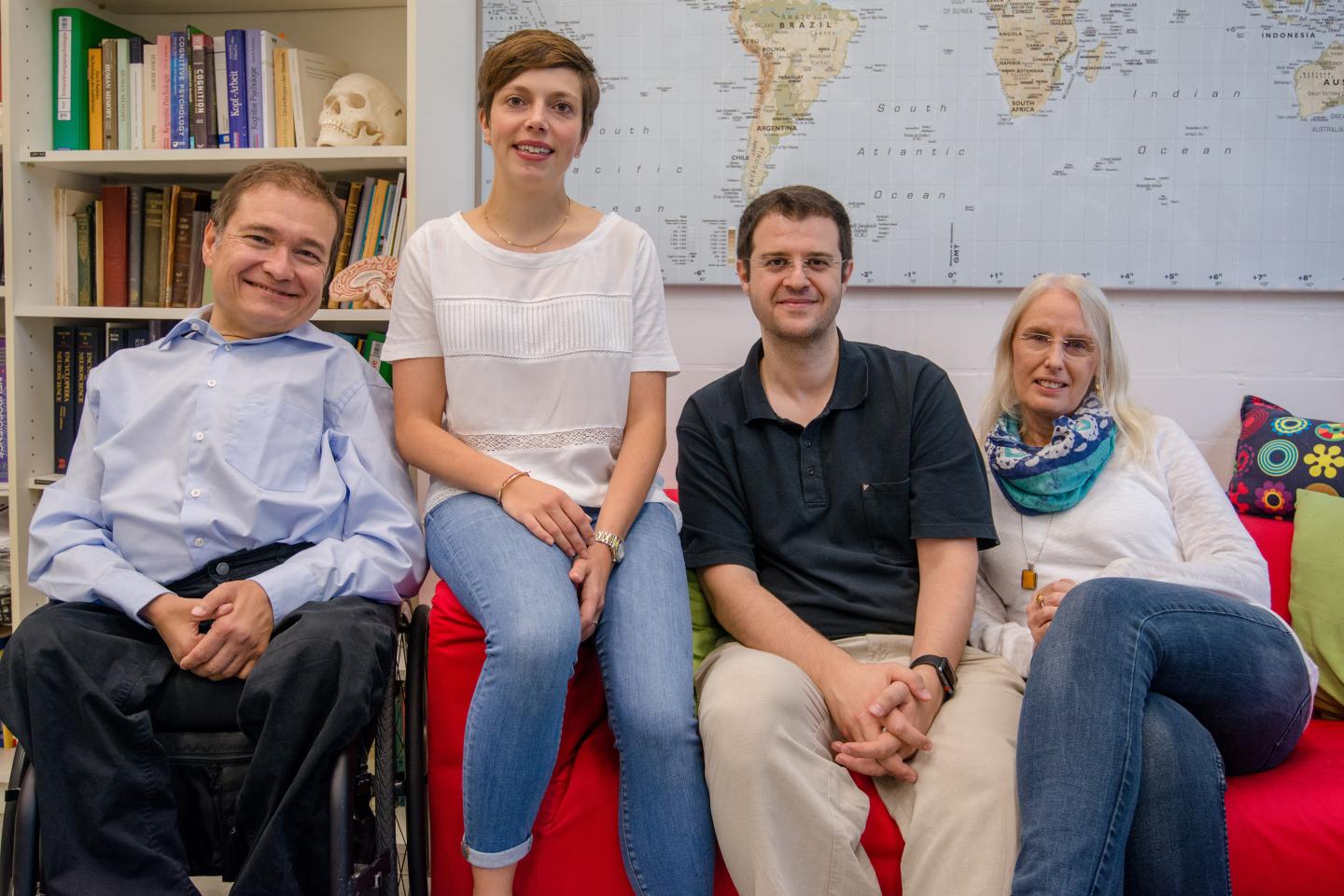
IMAGE

Credit: RUB, Marquard

Researchers at Ruhr-Universität Bochum have analysed why certain people tend to put tasks off rather than tackling them directly. Using magnetic resonance imaging (MRI), they identified two brain areas whose volume and functional connectivity are linked to an individual's ability to control their actions. The research team headed by Caroline Schlüter, Dr. Marlies Pinnow, Professor Onur Güntürkün, and Dr. Erhan Genç from the Department of Biopsychology published the results in the journal Psychological Science on 17 August 2018.

Two areas of the brain linked to action control

The biopsychologists examined 264 women and men in an MRI scanner. They assessed the volume of individual brain regions and the functional connectivity between them. In addition, all participants completed a survey measuring their own ability to execute action control.

Individuals with poor action control had a larger amygdala. Moreover, the functional connection between the amygdala and the so-called dorsal anterior cingulate cortex (dorsal ACC) was less pronounced. "These two areas of the brain had already been linked with action control in former studies," says Erhan Genç.

Assessing and selecting actions

The primary function of the amygdala is to assess different situations with regard to their respective outcomes and to warn us about potential negative consequences of particular actions. The dorsal ACC uses these information in order to select actions that are to be put into practice. Moreover, by suppressing competing actions and emotions, it ensures that the selected action can be successfully completed.

If the interplay between amygdala and dorsal ACC is impaired, action control can no longer be successfully executed, according to the theory put forward by the researchers. "Individuals with a higher amygdala volume may be more anxious about the negative consequences of an action – they tend to hesitate and put off things," speculates Erhan Genç. "Due to a low functional connection between amygdala and dorsal ACC, this effect may be augmented, as interfering negative emotions and alternative actions might not be sufficiently regulated."

Learnable or not?

Future studies will have to show if the degree of action control can be modified through specific training or brain stimulation. "Even though the differences regarding our ability to control our actions affect our private and professional success as well as our mental and physical health to a considerable degree, their neural foundations haven't as yet been sufficiently studied," says Caroline Schlüter, who addresses this issue in her PhD thesis.

###

Media Contact

Caroline Schlüter
[email protected]
49-234-322-1775
@ruhrunibochum

http://www.ruhr-uni-bochum.de

Original Source

http://news.rub.de/english/press-releases/2018-08-22-neuroscience-how-brains-doers-differ-those-procrastinators http://dx.doi.org/10.1177/0956797618779380
Share12Tweet7Share2ShareShareShare1

Related Posts

Lund University Professor Appointed Chair of Lancet Commission on Precision Medicine

May 26, 2026

Johns Hopkins Medicine Researchers Find Hydroxychloroquine May Shield Skin Lupus Patients from Heart and Metabolic Risks

May 26, 2026

Daily Glass of 100% Fruit Juice May Promote Mental Wellbeing, Study Finds

May 26, 2026

Obesity Rates Stabilize in Developed Countries While Continuing to Climb in Developing Nations

May 26, 2026
Please login to join discussion

POPULAR NEWS

  • ESMO 2025: mRNA COVID Vaccines Enhance Efficacy of Cancer Immunotherapy

    317 shares
    Share 127 Tweet 79
  • New Study Reveals Plants Can Detect the Sound of Rain

    735 shares
    Share 293 Tweet 183
  • Common Food Preservatives Associated with Elevated Blood Pressure and Increased Heart Disease Risk

    56 shares
    Share 22 Tweet 14
  • Research Indicates Potential Connection Between Prenatal Medication Exposure and Elevated Autism Risk

    847 shares
    Share 339 Tweet 212

About

We bring you the latest biotechnology news from best research centers and universities around the world. Check our website.

Follow us

Recent News

Sanguinarine: The Key that Flips BiP to Battle Lung Cancer

Lund University Professor Appointed Chair of Lancet Commission on Precision Medicine

Platinum-Antibody Conjugates Enhance Tumor Recognition by the Immune System

Subscribe to Blog via Email

Enter your email address to subscribe to this blog and receive notifications of new posts by email.

Join 82 other subscribers
  • Contact Us

Bioengineer.org © Copyright 2023 All Rights Reserved.

Welcome Back!

Login to your account below

Forgotten Password?

Retrieve your password

Please enter your username or email address to reset your password.

Log In
No Result
View All Result
  • Homepages
    • Home Page 1
    • Home Page 2
  • News
  • National
  • Business
  • Health
  • Lifestyle
  • Science

Bioengineer.org © Copyright 2023 All Rights Reserved.