• HOME
  • NEWS
  • EXPLORE
    • CAREER
      • Companies
      • Jobs
    • EVENTS
    • iGEM
      • News
      • Team
    • PHOTOS
    • VIDEO
    • WIKI
  • BLOG
  • COMMUNITY
    • FACEBOOK
    • INSTAGRAM
    • TWITTER
Monday, November 16, 2026
BIOENGINEER.ORG
No Result
View All Result
  • Login
  • HOME
  • NEWS
  • EXPLORE
    • CAREER
      • Companies
      • Jobs
        • Lecturer
        • PhD Studentship
        • Postdoc
        • Research Assistant
    • EVENTS
    • iGEM
      • News
      • Team
    • PHOTOS
    • VIDEO
    • WIKI
  • BLOG
  • COMMUNITY
    • FACEBOOK
    • INSTAGRAM
    • TWITTER
No Result
View All Result
Bioengineer.org
No Result
View All Result
Home NEWS Science News Health

Higher Critical Shoulder Angle Linked to Non-Traumatic Rotator Cuff Tears

by
November 11, 2026
in Health
Reading Time: 2 mins read
0
Higher Critical Shoulder Angle Linked to Non-Traumatic Rotator Cuff Tears

Higher Critical Shoulder Angle Linked to Non-Traumatic Rotator Cuff Tears

Share on FacebookShare on TwitterShare on LinkedinShare on RedditShare on Telegram

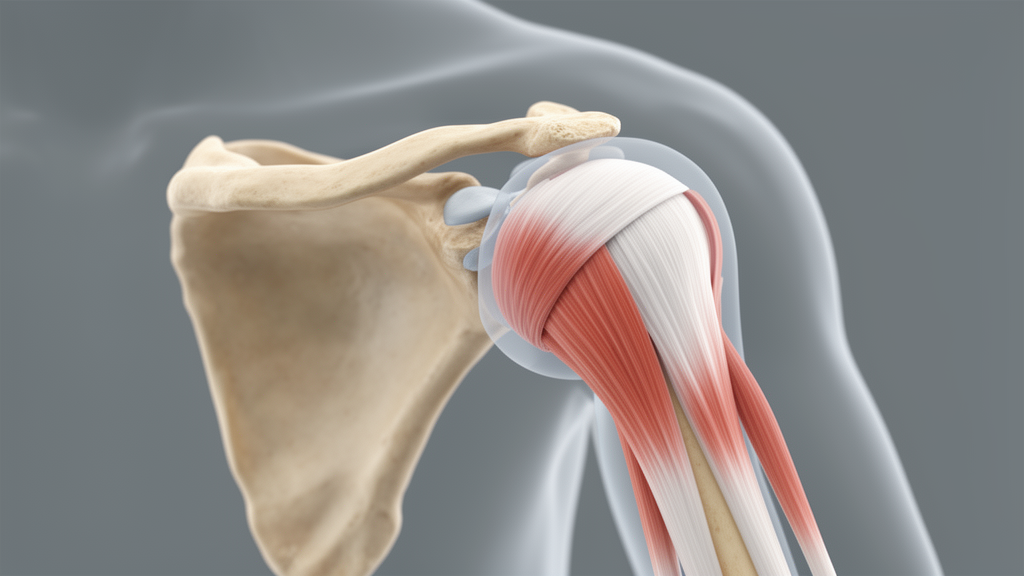
Patients presenting with non-traumatic rotator cuff tears demonstrate a significantly higher critical shoulder angle than individuals without tears, according to cross-sectional findings reported from a tertiary care centre. The critical angle was significantly higher in Group A compared to Group B (p = 0.001).

Rotator cuff tears represent a frequent etiology of shoulder pain, affecting anatomical structures essential to joint function. Beyond providing dynamic stability and preserving muscular balance within the shoulder joint, the rotator cuff plays a fundamental role in executing shoulder movement. A higher critical shoulder angle often increases the likelihood of a rotator cuff tear.

The investigation was designed as a cross-sectional comparative study conducted within the Department of Orthopaedics at a Government Medical College in Kerala, India. Investigators established a primary objective to compare the critical shoulder angle between patients with and without non-traumatic rotator cuff tears. Secondarily, the protocol sought to evaluate whether patient age correlated with critical shoulder angle measurements specifically within the non-traumatic tear cohort.

The comparative study enrolled a total of 30 patients aged 20 years and older diagnosed with non-traumatic rotator cuff tears into Group A. For comparison, Group B comprised individuals presenting to the tertiary facility with shoulder complaints other than non-traumatic rotator cuff tears. Demographic analyses revealed that the distribution of participants was comparable with respect to gender, whereas age distribution differed between the two cohorts.

Clinical teams collected comprehensive records spanning participant demographics, comorbid conditions, clinical manifestations, and critical shoulder angle measurements. Statistical processing was executed using SPSS software. Researchers analyzed continuous variables utilizing independent t-tests, while categorical data distributions were evaluated using chi-square tests.

Bivariate correlation testing revealed distinct age-related patterns between the study groups. Among participants without non-traumatic tears in Group B, researchers observed a statistically significant, low positive correlation between advancing age and critical shoulder angle (r = 0.391; p = 0.033). Conversely, participants in Group A exhibited only a negligible correlation between age and the critical angle that did not reach statistical significance (r = 0.173; p = 0.36), confirming that age-related angular increases occurred across the overall sample and control cohort but not within the non-traumatic tear group.

Subject of Research: Critical shoulder angle comparison in non-traumatic rotator cuff tears

Article Title: Comparing the critical shoulder angle of patients with non-traumatic rotator cuff tears and those without rotator cuff tears

Article References: Chandroth, A., S, S., Rajasekharan, P., & Yasmeen, S. (2026). Comparing the critical shoulder angle of patients with non-traumatic rotator cuff tears and those without rotator cuff tears. BMC Musculoskeletal Disorders. https://doi.org/10.1186/s12891-026-10613-6

Image Credits: AI Generated

DOI: 10.1186/s12891-026-10613-6

Keywords: critical shoulder angle, rotator cuff tear, non-traumatic rotator cuff tears, shoulder pain, dynamic stability, muscular balance, shoulder movement, cross-sectional comparative study, Government Medical College Kerala, Department of Orthopaedics, tertiary care centre, SPSS software, chi-square test, t-test, age correlation, clinical features, orthopaedic research

News Source: Ophelia Keating. (November 11, 2026). Higher Critical Shoulder Angle Linked to Non-Traumatic Rotator Cuff Tears. Scienmag.


Tags: age correlationchi-square testclinical featurescritical shoulder anglecross-sectional comparative studyDepartment of Orthopaedicsdynamic stabilityGovernment Medical College Keralamuscular balancenon-traumatic rotator cuff tearsorthopaedic researchrotator cuff tearshoulder movementshoulder painSPSS softwaret-testtertiary-care centre
Share12Tweet7Share2ShareShareShare1

Related Posts

Uric Acid-to-Creatinine Ratio Linked to Mortality Risk in Heart Disease Patients

Uric Acid-to-Creatinine Ratio Linked to Mortality Risk in Heart Disease Patients

November 16, 2026
High-Dose Manidipine Reduces Albuminuria in Hypertensive Chronic Kidney Disease Patients

High-Dose Manidipine Reduces Albuminuria in Hypertensive Chronic Kidney Disease Patients

November 16, 2026

Multivariate Analysis Reveals Shared Genetic Foundations Across Four Related Esophageal Conditions

November 16, 2026

USMLE Intentions Are Linked to Perceived Stress Among Pakistani Medical Students

November 16, 2026

POPULAR NEWS

  • USMLE Intentions Are Linked to Perceived Stress Among Pakistani Medical Students

    USMLE Intentions Are Linked to Perceived Stress Among Pakistani Medical Students

    29 shares
    Share 12 Tweet 7
  • Leather Waste Yields Fluorescent Nanodots for Bioinspired Multifunctional Sensing Hydrogels

    29 shares
    Share 12 Tweet 7
  • Free-Living Amoebae May Act as Reservoirs and Amplifiers of Antibiotic Resistance

    29 shares
    Share 12 Tweet 7
  • Lower Prognostic Nutritional Index Linked to Higher Stroke Pneumonia Risk in Study

    29 shares
    Share 12 Tweet 7

About

We bring you the latest biotechnology news from best research centers and universities around the world. Check our website.

Follow us

Recent News

Fine Rice Husk Biochar With Half Nitrogen Matches Full Fertilizer Maize Yields

Uric Acid-to-Creatinine Ratio Linked to Mortality Risk in Heart Disease Patients

High-Dose Manidipine Reduces Albuminuria in Hypertensive Chronic Kidney Disease Patients

Subscribe to Blog via Email

Enter your email address to subscribe to this blog and receive notifications of new posts by email.

Join 88 other subscribers
  • Contact Us

Bioengineer.org © Copyright 2023 All Rights Reserved.

Welcome Back!

Login to your account below

Forgotten Password?

Retrieve your password

Please enter your username or email address to reset your password.

Log In
No Result
View All Result
  • Homepages
    • Home Page 1
    • Home Page 2
  • News
  • National
  • Business
  • Health
  • Lifestyle
  • Science

Bioengineer.org © Copyright 2023 All Rights Reserved.