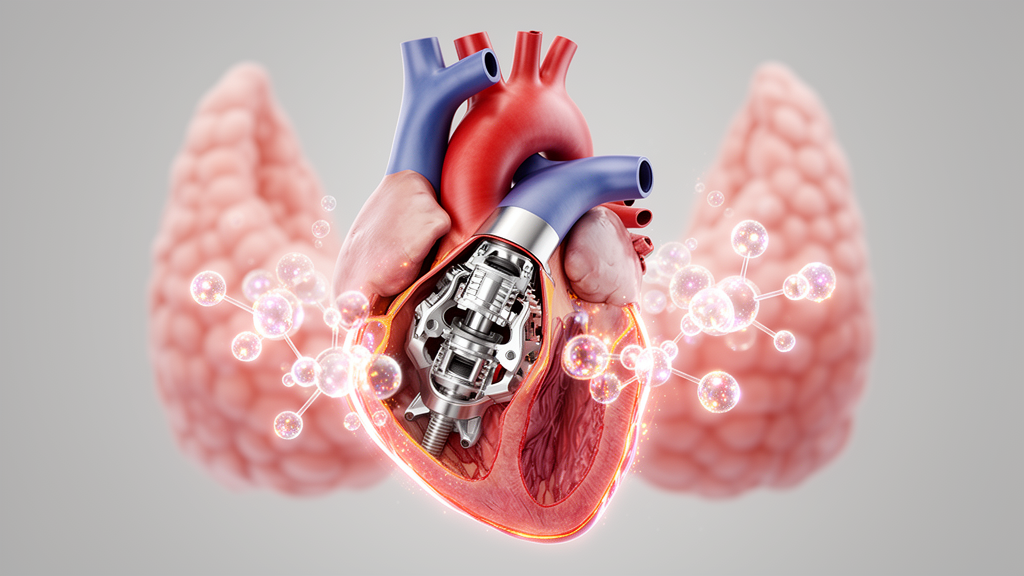
Researchers analyzing nationwide data from adults undergoing transcatheter aortic valve replacement (TAVR) found that elevated thyroid-stimulating hormone (TSH) levels are independently associated with increased one-year mortality. The findings suggest that pre-procedural thyroid function testing may offer valuable insights into long-term survival for patients undergoing this common cardiac intervention.
The investigation utilized data from patients who underwent TAVR between December 2009 and December 2023. The study team stratified participants based on their TSH and free thyroxine (FT4) levels, with serum TSH measured within six months prior to the procedure. For individuals with abnormal TSH levels, FT4 levels were also assessed to determine the specific nature of thyroid dysfunction. This approach allowed for a detailed classification of thyroid status, ranging from normal function to overt hypothyroidism and hyperthyroidism, providing a comprehensive view of how different thyroid profiles influence post-procedural outcomes.
Participants were classified into five distinct categories based on their hormonal profiles. The largest group consisted of patients with euthyroidism, defined by normal TSH levels between 0.45 and 4.50 mU/L. Subclinical hypothyroidism was identified by TSH levels greater than 4.50 mU/L but less than 20 mU/L, accompanied by normal FT4 levels. Overt hypothyroidism was defined by TSH levels greater than 4.50 mU/L with low FT4, or TSH levels of 20 mU/L or higher. Subclinical hyperthyroidism involved TSH levels between 0.10 and 0.45 mU/L, or below 0.10 mU/L with normal FT4. Finally, overt hyperthyroidism was characterized by TSH levels below 0.10 mU/L with elevated FT4 levels.
Of the 9,604 patients in the initial dataset, 5,754 (60%) had complete thyroid profiles available for analysis. The majority of these patients, 82.6%, were euthyroid. Subclinical hypothyroidism was the most common form of dysfunction, affecting 13.5% of the cohort. Subclinical hyperthyroidism was present in 2.4% of patients, while overt hyperthyroidism and overt hypothyroidism were rare, accounting for 0.8% and 0.7% of the study population, respectively.
Baseline characteristics revealed that patients with hypothyroidism generally had a higher comorbidity burden compared to those with normal thyroid function. Specifically, patients with subclinical and overt hypothyroidism showed higher rates of renal failure, atrial fibrillation, and lower baseline creatinine clearance. The Charlson comorbidity index, a measure of overall health status, was also higher in the hypothyroid groups.
The primary endpoints of the study included the association between thyroid function and 30-day and one-year mortality, as well as procedural complications defined according to the Valve Academic Research Consortium-3 (VARC-3) criteria. The analysis focused on identifying whether specific thyroid function categories were predictive of adverse outcomes. The study team used logistic regression models to evaluate the predictive value of TSH, constructing both a base model with TSH groups alone and a comprehensive model incorporating covariates selected via stepwise Akaike information criterion optimization. This statistical approach allowed the researchers to isolate the effect of thyroid function from other potential confounding variables.
One of the key findings was that TAVR-related complications, such as bleeding, stroke, renal failure, and pacemaker implantation, did not differ significantly across the various thyroid function subgroups. This suggests that the procedure itself remains safe regardless of the patient’s thyroid status. However, subclinical hypothyroidism was associated with increased one-year mortality, with an odds ratio of 1.33. Although this association was statistically significant, it was not independent when other covariates were included in the model, indicating that other factors may contribute to the increased risk in this group.
A subgroup analysis focused on patients with TSH levels greater than 10 mU/L provided more definitive insights into the prognostic value of thyroid dysfunction. However, TSH levels above 10 mU/L were independently associated with higher one-year mortality, with an adjusted odds ratio of 1.61. This finding underscores the importance of identifying patients with significantly elevated TSH levels, as they may face a higher risk of death in the year following the procedure.
The study also noted that pre-procedural thyroid function testing is omitted in approximately 40% of patients, highlighting a gap in current clinical practice. The authors argue that routine TSH measurement is warranted because even mild thyroid dysfunction is linked to worse cardiovascular outcomes. Given the overlap in symptoms between thyroid disease and aortic stenosis, such as palpitations and fatigue, regular screening could help identify patients at increased risk. The exposure to iodinated contrast during pre-procedural imaging and the TAVR procedure itself may also induce thyroid abnormalities, further supporting the rationale for routine screening.
The researchers acknowledge several limitations of the study, including the retrospective design and the absence of key clinical data such as echocardiography results, surgical risk scores, and valve type. The small sample size of patients with overt thyroid dysfunction may limit the generalizability of the findings for these specific subgroups. Additionally, the potential underreporting of complications due to variable coding practices and the lack of T3 measurements are noted as areas for future investigation. Despite these limitations, the study provides valuable insights into the relationship between thyroid function and TAVR outcomes.
The findings suggest that a multidisciplinary approach, including endocrinology consultation, may enhance long-term outcomes for patients with thyroid dysfunction undergoing TAVR. The ability to treat overt hypothyroidism or consider intervention in subclinical cases, in line with current endocrinology guidelines, could potentially mitigate the increased mortality risk observed in patients with high TSH levels. The study highlights an opportunity to integrate thyroid function assessment into pre-procedural risk assessment models, which currently do not account for thyroid status.
While previous studies have focused on the safety of TAVR in patients with hypothyroidism, often relying on diagnostic codes rather than direct hormone measurements, this study incorporated direct thyroid measurements and included patients with both hypothyroidism and hyperthyroidism. This comprehensive approach revealed similar bleeding rates across groups, which may be attributed to greater perioperative vigilance in patients with hypothyroidism. The study contributes to the growing body of evidence on the cardiometabolic significance of thyroid function and its impact on cardiovascular interventions.
The study was approved by the ethical review committee of Carmel Medical Center, Haifa.
Thyroid hormones maintain cardiovascular homeostasis by exerting direct effects on vascular endothelial integrity and myocardial function. While major operations induce substantial physiological stress that can aggravate underlying endocrine imbalances, the minimally invasive characteristics of transcatheter procedures help mitigate these disruptions. Unlike traditional surgical aortic valve replacement, transcatheter implantation circumvents the physiological burden associated with cardiopulmonary bypass, sternotomy, and frequent reliance on general anesthesia. Although direct clinical comparisons between surgical and transcatheter approaches in patients with thyroid dysfunction have not yet been conducted, the procedural advantages of valve catheterization align with the low rate of acute complications observed across all dysfunction categories.
Detailed laboratory comparisons revealed distinct biological markers and clinical vulnerabilities across the examined groups. Mean baseline thyroid-stimulating hormone levels ranged from 0.05 ± 0.02 mU/L in overt hyperthyroidism and 2.21 ± 0.99 mU/L in euthyroidism to 6.97 ± 2.81 mU/L in subclinical hypothyroidism and 35.7 ± 20.9 mU/L in overt hypothyroidism. Pre-existing heart failure and hematologic differences were also apparent, with congestive heart failure admissions in the preceding year documented in 14 percent of overt hypothyroid patients compared to 4.15 percent of euthyroid individuals. Furthermore, baseline hemoglobin concentrations were lowest among patients with overt hypothyroidism at 10.9 ± 1.84 g/dL and subclinical hypothyroidism at 11.5 ± 1.69 g/dL, compared to 12.1 ± 1.68 g/dL in euthyroid controls, reflecting the higher cumulative systemic burden in individuals with reduced thyroid activity.
The study protocol also incorporated rigorous methodological exclusions and adjustments to maintain analytical consistency. Among individuals identified during data gathering, 61 patients who presented with abnormal thyroid-stimulating hormone levels were excluded from the primary cohort because subsequent free thyroxine measurements were unavailable. For participants with multiple documented assessments prior to intervention, researchers utilized the test results captured nearest to the procedure date. Statistical evaluation relied on RStudio software, applying one-way analysis of variance alongside chi-square tests, followed by Tukey post hoc adjustments and the Benjamini–Hochberg procedure to account for multiple comparisons before entering variables with omnibus significance below 0.1 into multivariable modeling.
Subject of Research: Association between thyroid function and clinical outcomes after transcatheter aortic valve replacement
Article Title: Impact of thyroid function on clinical outcomes after transcatheter aortic valve replacement: a population-based study
Article References: Avidan, Y., Sliman, H., & Kassem, S. (2026). Impact of thyroid function on clinical outcomes after transcatheter aortic valve replacement: a population-based study. Hellenic Journal of Cardiology, 91, 103-106. https://doi.org/10.1016/j.hjc.2025.08.006
Image Credits: AI Generated
DOI: 10.1016/j.hjc.2025.08.006
Keywords: transcatheter aortic valve replacement, thyroid-stimulating hormone, aortic stenosis, cardiovascular outcomes, subclinical hypothyroidism, overt hypothyroidism, one-year mortality, population-based study, free thyroxine, perioperative risk, Valve Academic Research Consortium, endocrinology, cardiology, clinical prognosis, thyroid dysfunction
News Source: Ophelia Keating. (November 26, 2026). High TSH levels predict higher one-year mortality after TAVR. Scienmag.