Hypoxia-inducible factor 1 alpha, or HIF1α, has long been celebrated as the master switch that allows cells to sense and survive low-oxygen conditions, a discovery that earned the 2019 Nobel Prize in Physiology or Medicine. In the intestine, this transcription factor is far more than a molecular oxygen alarm. It orchestrates the barrier function of the epithelial lining, shapes the metabolic crosstalk between host and microbiome, and responds to the constantly fluctuating oxygen landscape of the gut. Now, new research published in the International Journal of Obesity has tested a question that has puzzled metabolism researchers for years: does this intestinal oxygen sensor help explain one of modern medicine’s most effective metabolic interventions, bariatric surgery?
The answer, according to the study, is a resounding no — at least for the surgery itself. Using genetic mouse models in which HIF1α was specifically deleted from the intestinal epithelium, the researchers demonstrated that the absence of this factor did not diminish the dramatic metabolic improvements normally achieved after bariatric procedures. Mice lacking intestinal HIF1α still experienced the characteristic benefits of the surgery, including reduced body weight, improved glucose tolerance, and favorable changes in fat distribution. In other words, the celebrated metabolic rewiring triggered by bariatric surgery proceeds perfectly well without this oxygen-responsive transcription factor pulling the strings in the gut.
That finding alone would have been notable, but the study’s second act is where the story becomes genuinely intriguing. When the same HIF1α-deficient mice were challenged not with surgery but with a high-fat diet, the protective role of the protein suddenly came into sharp focus. Animals lacking intestinal HIF1α gained significantly more weight on the obesogenic diet than their genetically intact counterparts, and their livers told an equally sobering tale: hepatic steatosis, the abnormal accumulation of fat in liver tissue, developed more readily and more severely. The gut oxygen sensor, it turns out, is not a passive bystander in metabolic disease but an active defender against dietary stress.
This distinction between the two experimental contexts is scientifically meaningful rather than merely academic. Bariatric surgery operates largely through mechanisms independent of ordinary dietary physiology — rapid changes in bile acid signaling, gut hormone secretion, microbiome composition, and nutrient sensing that create a fundamentally altered metabolic environment. Diet-induced obesity, by contrast, unfolds gradually through the slow accumulation of caloric excess and the chronic, low-grade inflammatory and hypoxic stresses it imposes on tissues. HIF1α appears to be critical for withstanding the latter condition while being dispensable for the former, suggesting that the factor functions primarily as a buffer against the physiological consequences of nutrient overload rather than as a mediator of surgical metabolic reprogramming.
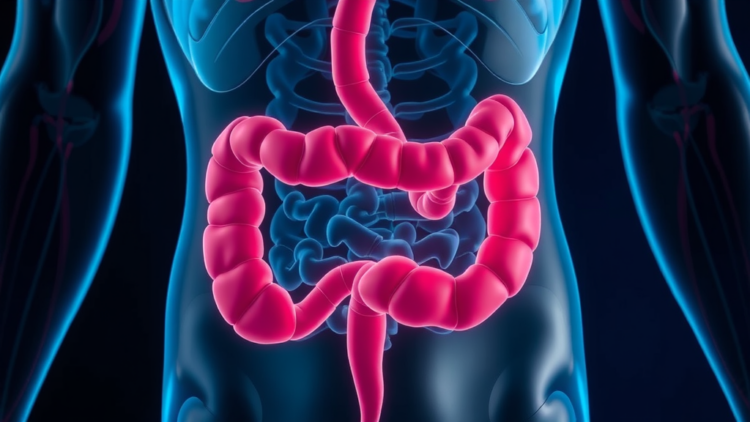
To appreciate why the intestine was the logical place to look, it helps to consider the unique biology of gut tissue. The intestinal epithelium sits at the interface between a nutrient-rich lumen and the oxygen-sensitive vasculature of the body, creating a physiological gradient that researchers describe as functional hypoxia. Even in healthy animals, the cells lining the gut experience oxygen levels far lower than most other tissues. HIF1α responds to this environment by activating dozens of target genes involved in barrier integrity, angiogenesis, glycolytic metabolism, and inflammatory regulation. Disrupting this system, the new data indicate, leaves the gut metabolically vulnerable in ways that ripple outward to the whole body, manifesting as increased adiposity and fatty liver disease.
The hepatic connection deserves particular attention. Non-alcoholic fatty liver disease affects roughly a quarter of the global population and represents one of the most serious downstream consequences of obesity, capable of progressing to inflammation, fibrosis, and cirrhosis. If intestinal HIF1α helps protect the liver from fat accumulation, then understanding the signaling pathway between the gut and the liver becomes a matter of substantial clinical relevance. The new findings point toward gut-derived signals — whether barrier-related, microbial, or endocrine — as modulators of hepatic lipid handling, reinforcing a growing body of evidence that liver health begins in the intestine.
Methodologically, the study relied on conditional knockout technology, a cornerstone of modern mouse genetics that allows researchers to remove a gene from a specific tissue while leaving it intact everywhere else. This precision matters enormously for HIF1α, a protein expressed throughout the body with roles ranging from red blood cell production to tumor biology. A whole-body deletion would be lethal or hopelessly confounded; an intestinal epithelium-specific deletion cleanly isolates the gut’s contribution. By comparing knockout and control animals across both surgical and dietary paradigms, the authors could disentangle two biological questions that had previously been tangled together: whether HIF1α transmits the benefits of bariatric surgery, and whether it defends against dietary obesity.
The clinical implications cut in several directions at once. For the millions of patients undergoing bariatric surgery each year, the findings offer reassurance of a negative kind: there is no evidence that natural variation in intestinal HIF1α function would blunt the surgery’s effectiveness. For the far larger population at risk of diet-induced obesity and fatty liver disease, however, the study highlights a potential therapeutic target. If pharmacological activation of intestinal HIF1α — through microbiome modulation, dietary interventions, or drug development — can mimic the protective effect observed in the mouse models, it could open a new avenue for preventing or treating metabolic disease without surgery.
That translational leap will require considerable additional work. Mouse models of obesity and bariatric surgery capture only part of human physiology, and HIF1α is a notoriously pleiotropic factor whose activation can carry risks as well as benefits, including contributions to certain cancers and inflammatory conditions. The researchers themselves are careful to frame the results as a foundation rather than a prescription. Still, the conceptual payoff is clear: the metabolic benefits of bariatric surgery and the body’s natural defenses against dietary obesity travel along partially separate molecular roads, and intestinal HIF1α stands as a guardian on one road but not the other.
As the global burden of obesity and its hepatic complications continues to climb, studies like this one refine the field’s understanding of where interventions can do the most good. Bariatric surgery will remain a powerful tool whose mechanisms are only gradually being mapped. Meanwhile, the humble oxygen sensor in the gut lining — a protein once studied mainly in the context of altitude adaptation and tumor hypoxia — has emerged as an unexpected protector of metabolic health, one whose full therapeutic potential is only beginning to be explored.
Subject of Research: The role of intestinal HIF1α in bariatric surgery outcomes, diet-induced obesity, and hepatic steatosis
Article Title: Intestinal HIF1α is dispensable for bariatric surgery-mediated metabolic benefits but protects against diet-induced obesity and hepatic steatosis
Article References: Cao, C., Liu, Y., Tan, X., Zhao, Y., Jaime, H., Chu, Y., He, M., Hua, R., Yao, Q., & Shao, Y. (2026). Intestinal HIF1α is dispensable for bariatric surgery-mediated metabolic benefits but protects against diet-induced obesity and hepatic steatosis. International Journal of Obesity. https://doi.org/10.1038/s41366-026-02212-1
Image Credits: AI Generated
DOI: 10.1038/s41366-026-02212-1
Keywords: HIF1α, bariatric surgery, diet-induced obesity, hepatic steatosis, intestinal epithelium, hypoxia signaling, metabolic disease, fatty liver, gut-liver axis, glucose tolerance, mouse models, International Journal of Obesity
Cite Scienmag News
APA
MLA
Chicago
Ophelia Keating. (September 13, 2026). Gut Oxygen Sensor Shields Against Obesity but Adds Nothing to Weight-Loss Surgery. Scienmag. https://scienmag.com/gut-oxygen-sensor-shields-against-obesity-but-adds-nothing-to-weight-loss-surgery/
Ophelia Keating. “Gut Oxygen Sensor Shields Against Obesity but Adds Nothing to Weight-Loss Surgery.” Scienmag, 13 September 2026, https://scienmag.com/gut-oxygen-sensor-shields-against-obesity-but-adds-nothing-to-weight-loss-surgery/. Accessed 13 September 2026.
Ophelia Keating. “Gut Oxygen Sensor Shields Against Obesity but Adds Nothing to Weight-Loss Surgery.” Scienmag. September 13, 2026. https://scienmag.com/gut-oxygen-sensor-shields-against-obesity-but-adds-nothing-to-weight-loss-surgery/
Copy citation
Download RIS
Tags: bariatric surgerybariatric surgery and gut microbiomediet-induced obesityeffects of HIF1α deletion on surgery outcomesfatty livergenetic mouse models in obesity researchglucose tolerancegut oxygen sensing and weight managementGut oxygen sensorgut-liver axishepatic steatosisHIF1αHIF1α and obesityhypoxia signalingInternational Journal of Obesityintestinal epithelial barrier functionintestinal epitheliumintestinal hypoxia and metabolic regulationmetabolic diseasemetabolic improvements after bariatric proceduresmicrobiome-host metabolic crosstalkmouse modelsoxygen landscape in gut healthrole of HIF1α in weight loss