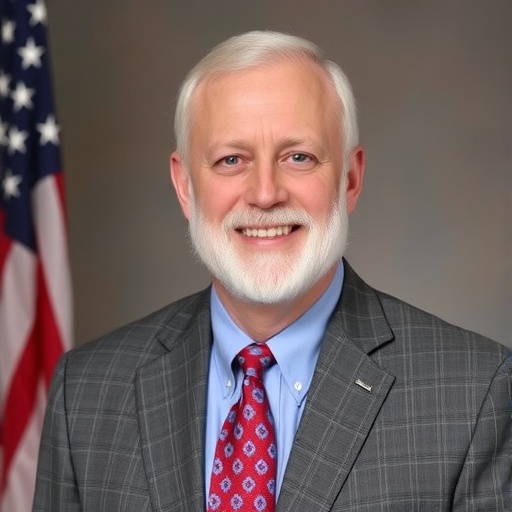
The Gerontological Society of America (GSA) is preparing for a major leadership transition after James C. Appleby, BSPharm, MPH, DSc (Hon), announced his intention to conclude his service as the organization’s chief executive officer when his current employment contract ends in December. Appleby has led the society for 18 years, making him its longest-serving CEO and one of the most prominent figures in the United States’ aging research and policy community. He is expected to remain available beyond December if necessary, allowing the organization to maintain continuity until a successor is recruited and established.
The announcement comes as GSA enters a new phase in its development as an interdisciplinary scientific organization. Founded in 1945, the society brings together researchers, educators, health professionals, policymakers, and other specialists working across the broad field of gerontology. Its work spans biological aging, clinical care, psychology, sociology, public health, economics, education, and policy. By connecting these disciplines, GSA supports a more comprehensive understanding of how people age and how societies can improve health, independence, and quality of life across the lifespan.
During Appleby’s tenure, GSA experienced what its board described as significant growth and innovation. The organization expanded its programs, partnerships, and national visibility while strengthening its financial and organizational foundation. These developments are important for a scientific society because long-term research impact depends not only on discoveries but also on stable institutions capable of funding conferences, publishing findings, supporting professional networks, and translating evidence into practice. GSA’s expansion has allowed it to operate across these interconnected areas while maintaining aging as its central scientific and social focus.
One of the most visible elements of that growth has been the continued expansion of GSA’s Annual Scientific Meeting. Such meetings function as high-density exchange points for gerontology, bringing together early-career investigators and established experts to present data, debate methods, and develop collaborations. Research presented in these settings can range from cellular mechanisms of aging and dementia prevention to health disparities, caregiving, social isolation, and the design of age-friendly communities. GSA also increased the reach of its journal portfolio, helping researchers disseminate peer-reviewed evidence to audiences working in different branches of aging science.
Appleby’s leadership also coincided with a broader policy role for GSA. Aging research increasingly influences decisions about health care delivery, retirement security, housing, transportation, long-term services, and the prevention of chronic disease. Scientific evidence alone does not automatically become public policy; it must be interpreted, communicated, and connected to the experiences of communities. GSA’s policy activities have sought to strengthen that connection, giving researchers and professionals a platform to explain how demographic change and advances in medicine affect individuals, families, institutions, and governments.
Another major initiative developed during Appleby’s tenure is the National Center to Reframe Aging. The center promotes communication strategies intended to produce more accurate and constructive public conversations about aging. This work is grounded in the recognition that language can influence how societies understand older adults, health, work, disability, and social participation. Rather than presenting aging only as a period of decline or dependency, reframing efforts emphasize variation, resilience, contribution, and the importance of environments and policies that support meaningful lives. The approach links communication science with public health and social policy.
“On behalf of the Board of Directors, I want to express our deepest gratitude to James for his extraordinary leadership and unwavering commitment to our mission,” Board Chair Marilyn R. Gugliucci said in the announcement. She credited Appleby with helping transform the society, expand its influence, and position it for continued success. Gugliucci also emphasized that the board respects his decision and values his willingness to support a careful transition. Her comments reflect the organizational significance of a CEO departure after nearly two decades, particularly at a time when research institutions are responding to rapid demographic, technological, and policy changes.
Appleby described his service to GSA as one of the greatest privileges of his professional life. He thanked the board, volunteers, staff, and partners who have supported the organization and said that completing his current contract was the appropriate moment for GSA to begin its next chapter under new leadership. He also stated that he would remain committed to advancing the society’s strategic priorities in the coming months. A transition period of this kind can help preserve institutional knowledge, maintain relationships with members and partners, and prevent disruption to scientific programs and policy initiatives.
The Board of Directors will immediately begin a national search for the next CEO and plans to appoint a search committee to oversee the process. The selected leader will be expected to build on GSA’s existing foundation while guiding its future growth and impact. The organization currently reports more than 6,000 members and partners in over 50 countries, giving the search international relevance within the aging field. Gugliucci said GSA is in a position of strength, with a clear strategic direction, an experienced staff, and emerging opportunities ahead. The leadership change therefore represents not a retreat from the society’s mission, but a planned transition for an institution whose work is increasingly central to understanding and responding to global population aging.
The Gerontological Society of America’s vision is “meaningful lives as we age,” supported by a mission to advance aging research, education, practice, and policy through excellence, innovation, and collaboration. The society is also home to the National Academy on an Aging Society, a nonpartisan public policy institute, and the National Center to Reframe Aging. As the search for a new CEO begins, the organization’s next chapter will be shaped by how effectively it can connect scientific discovery with clinical practice, public understanding, and policy decisions affecting older adults and the generations that follow.
Subject of Research: Gerontology, aging research, scientific leadership, and public policy.
Article Title: Gerontological Society of America CEO James C. Appleby to Conclude 18-Year Leadership
Keywords: Gerontology, aging research, healthy aging, older adults, GSA, James C. Appleby, National Center to Reframe Aging, aging policy, scientific societies, leadership transition
Tags: advancements in aging science and educationaging research policy leadershipevolution of GSA programs and partnershipsGerontological Society of America leadership transitionGSA’s role in aging health and policyimpact of long-serving GSA CEOsinfluence of GSA on aging research communityinterdisciplinary gerontology organizationsJames C. Appleby GSA CEO retirementleadership changes in U.S. aging advocacyorganizational growth in gerontologysuccession planning in scientific organizations